
Project gallery
Turkish hammam designs
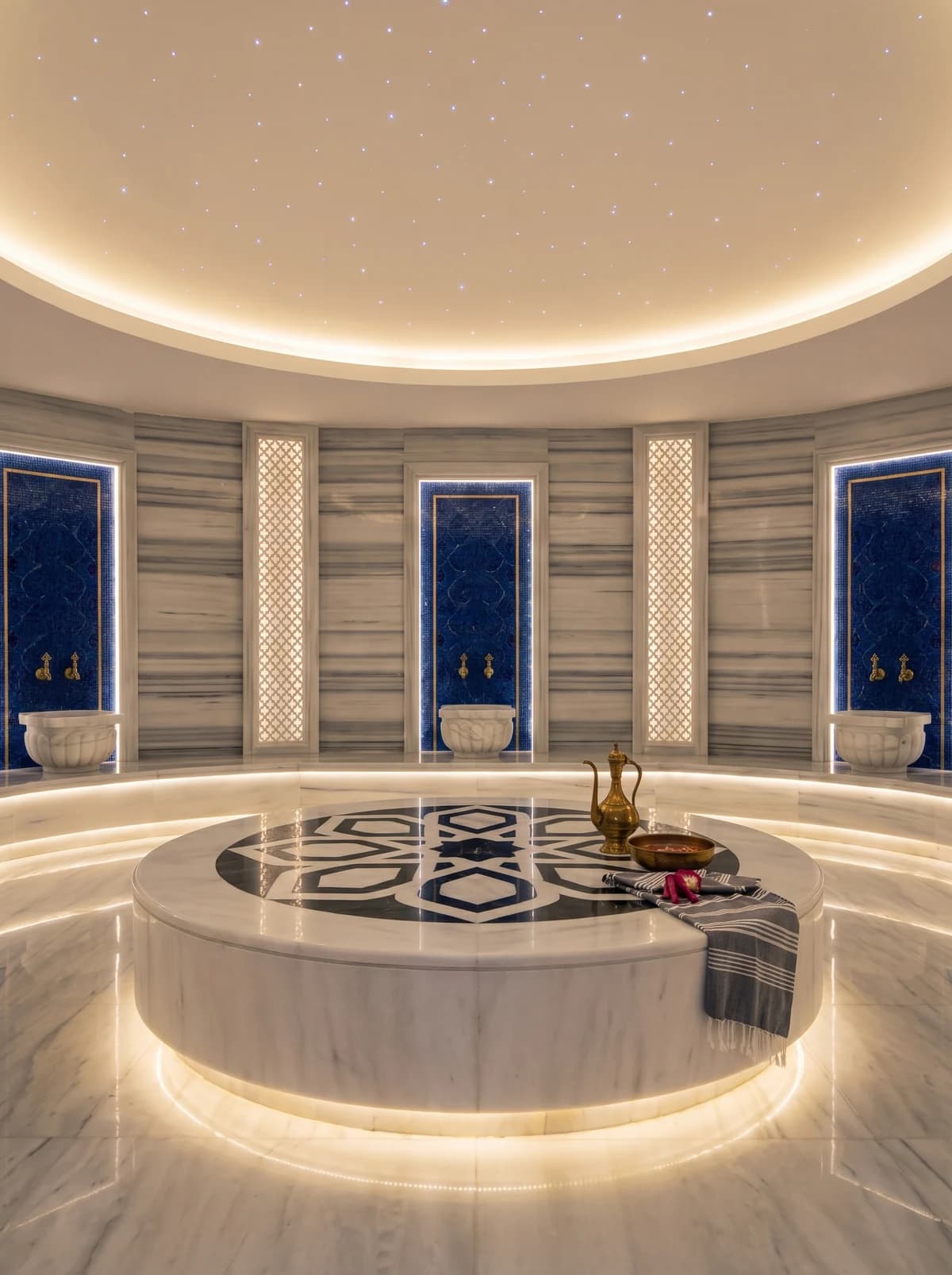
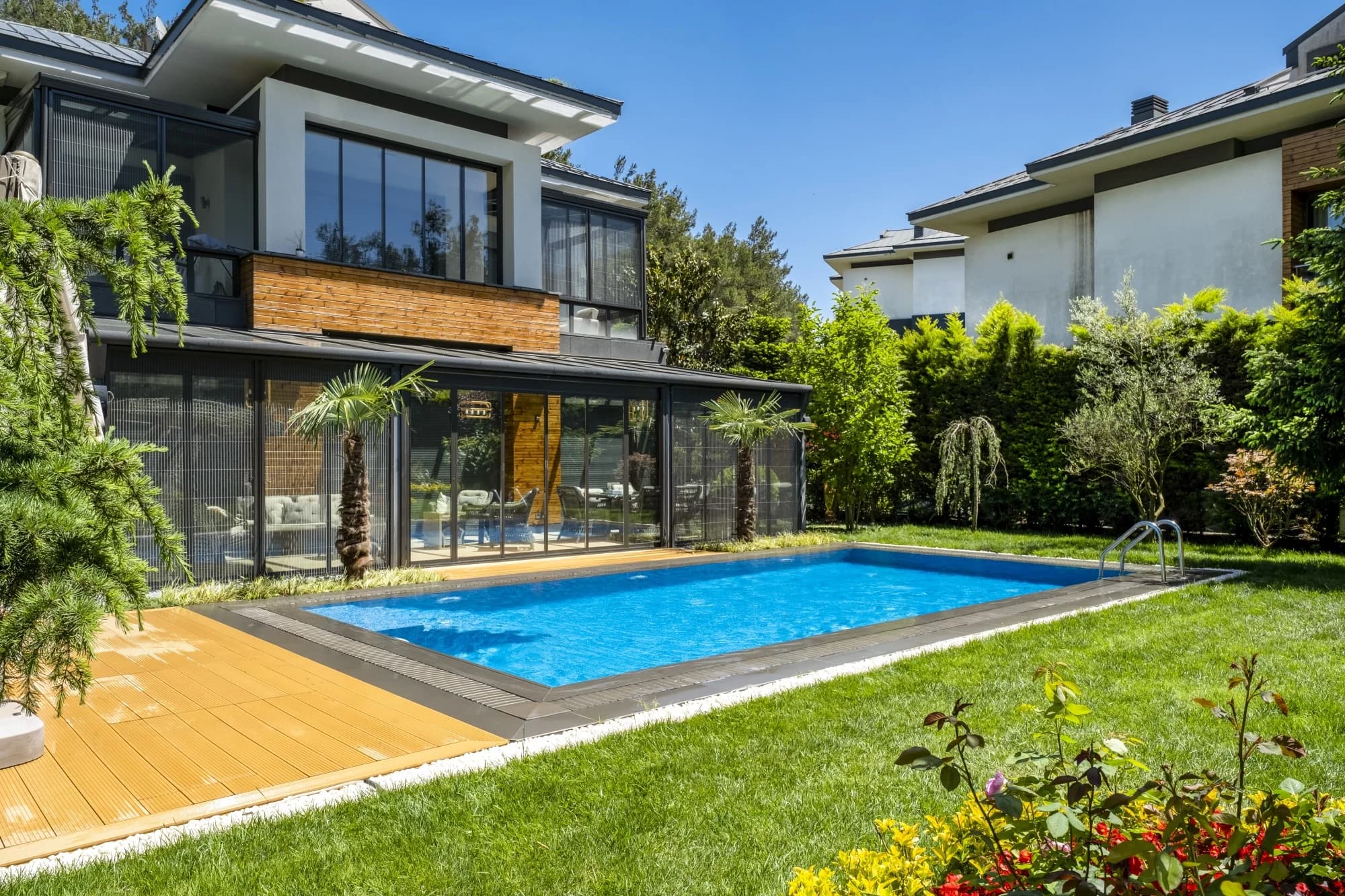
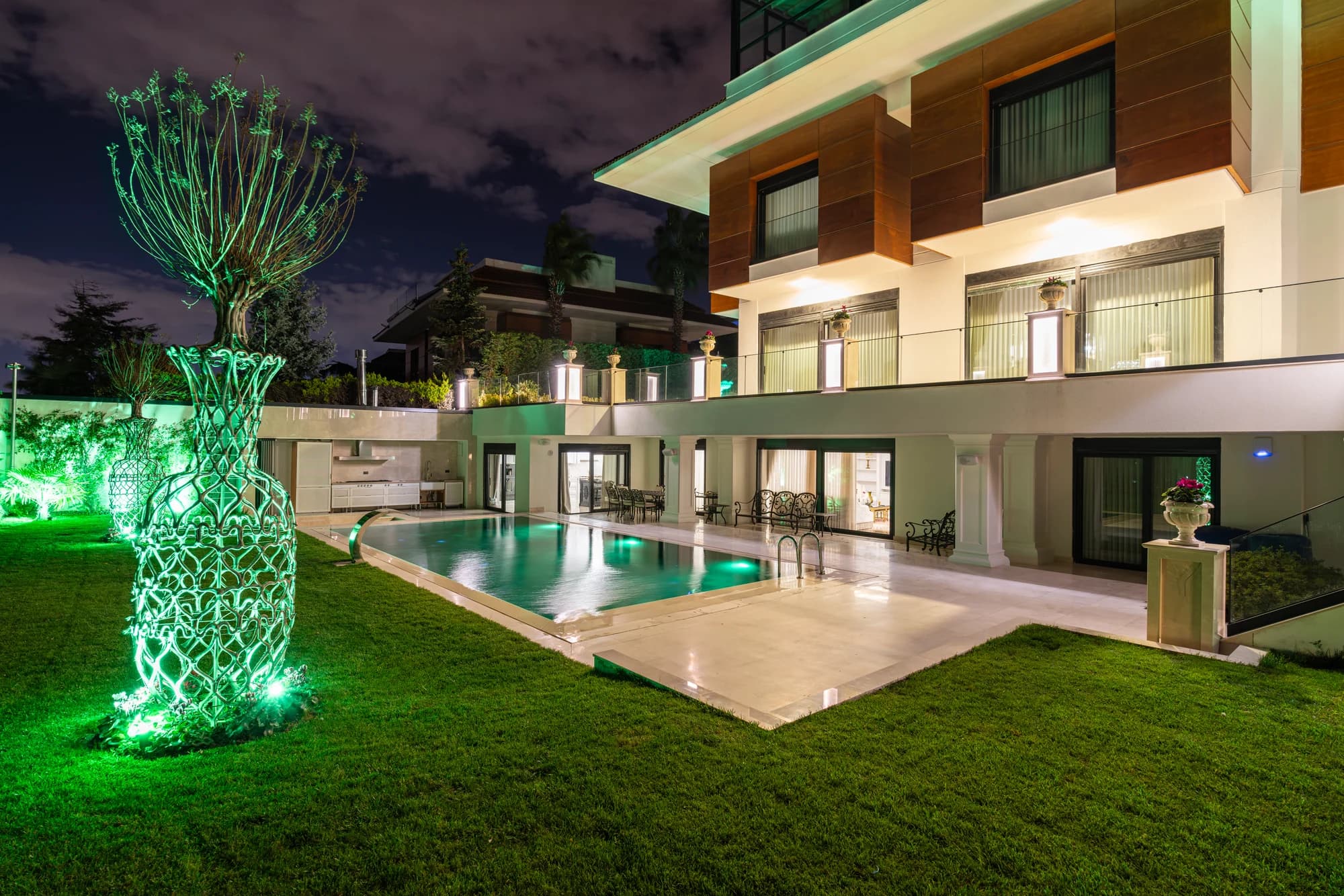
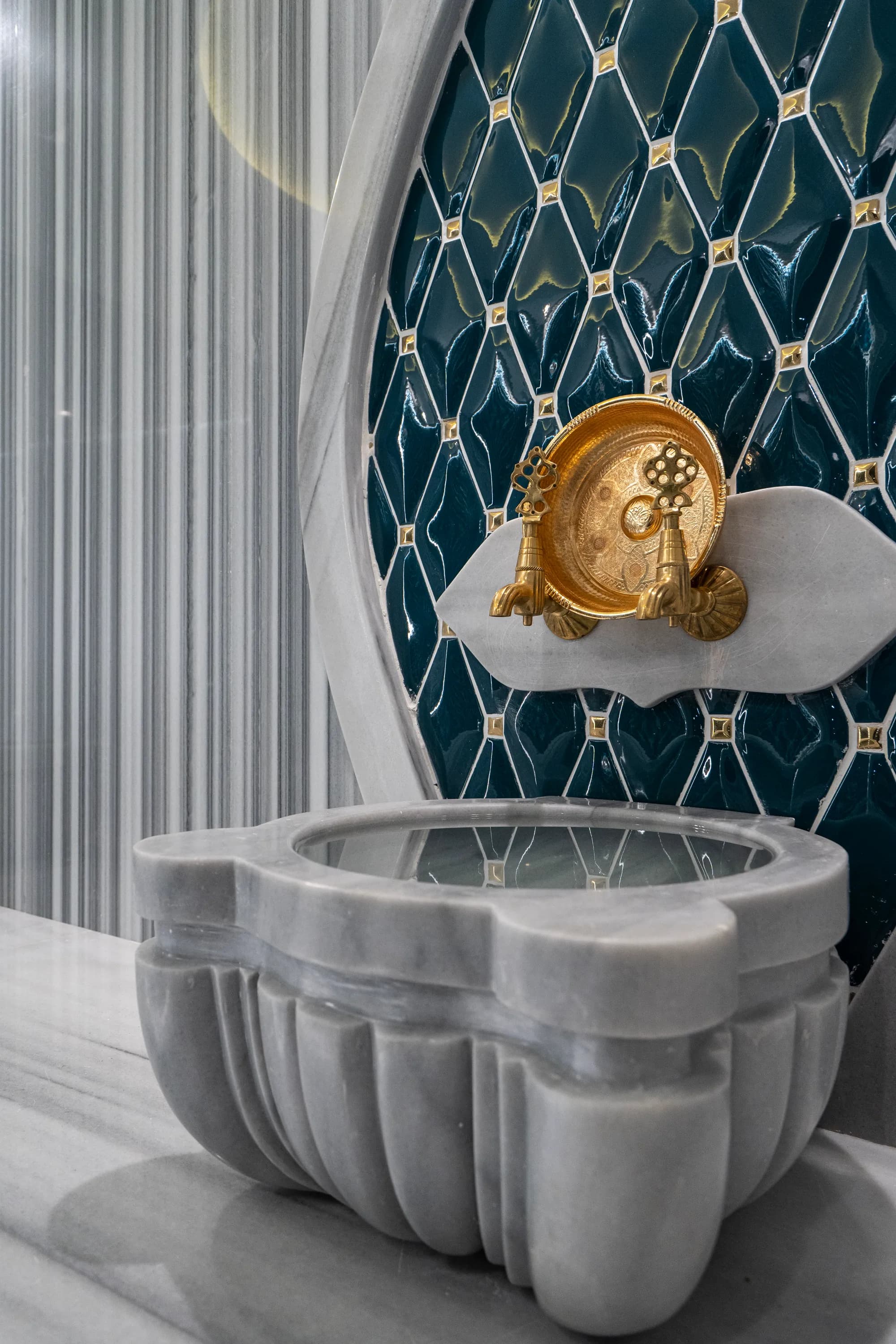
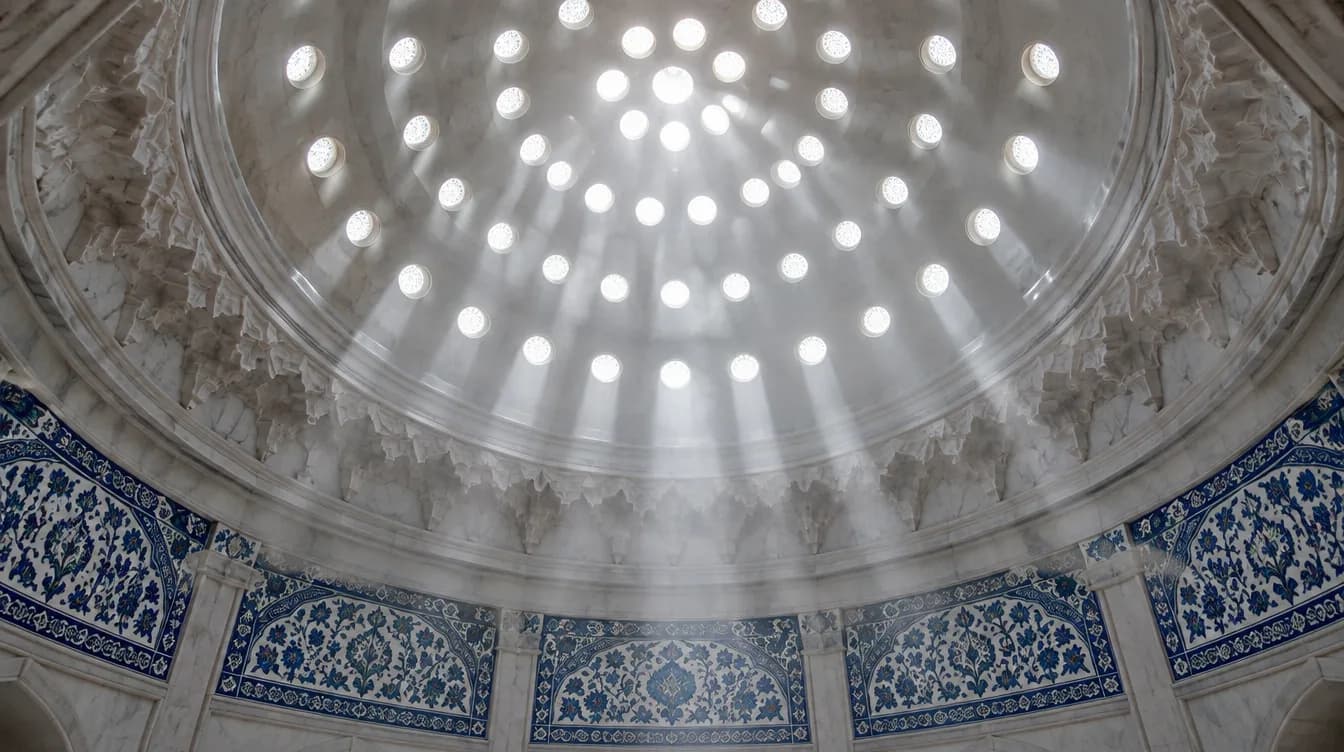
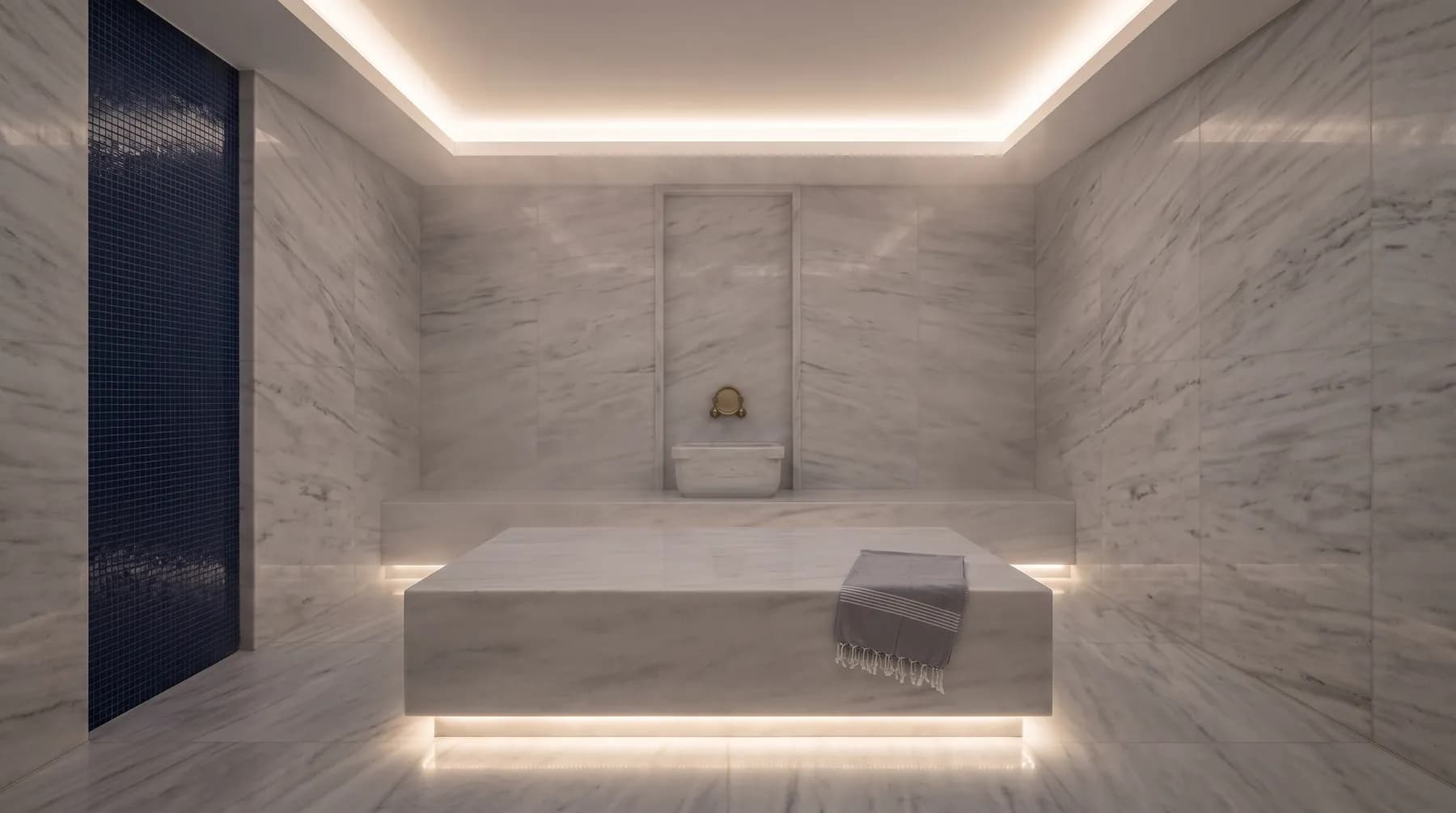
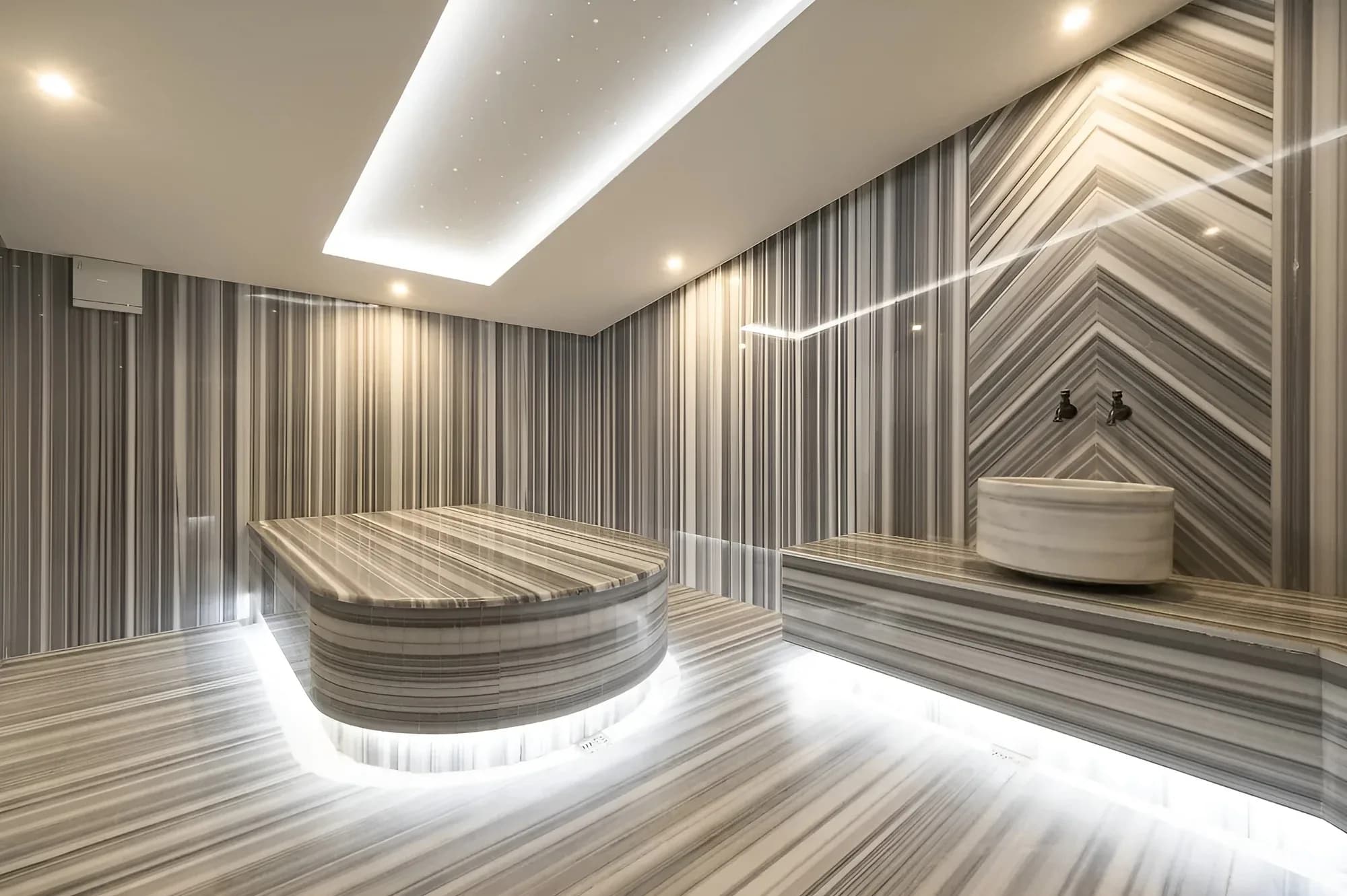
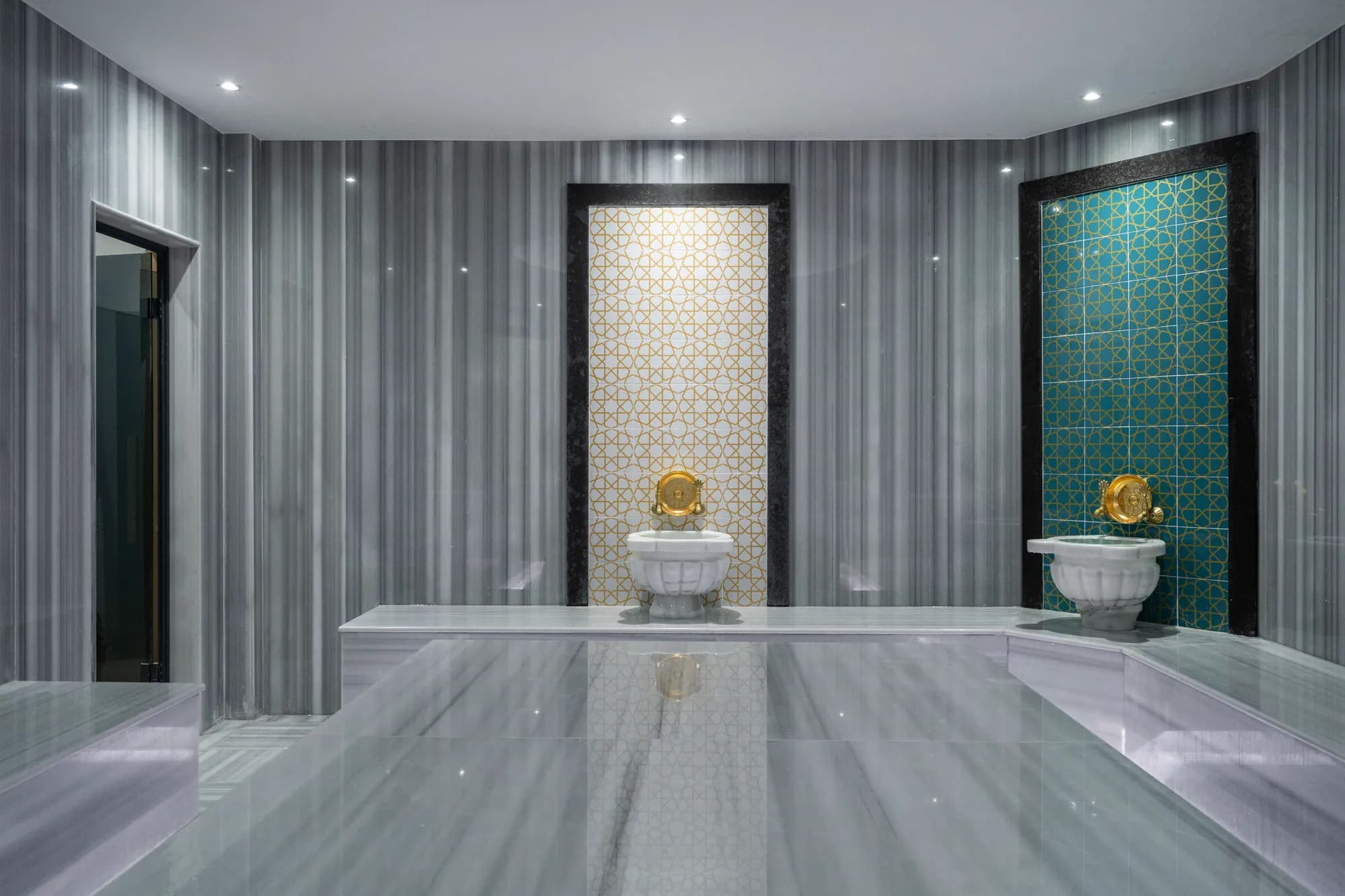
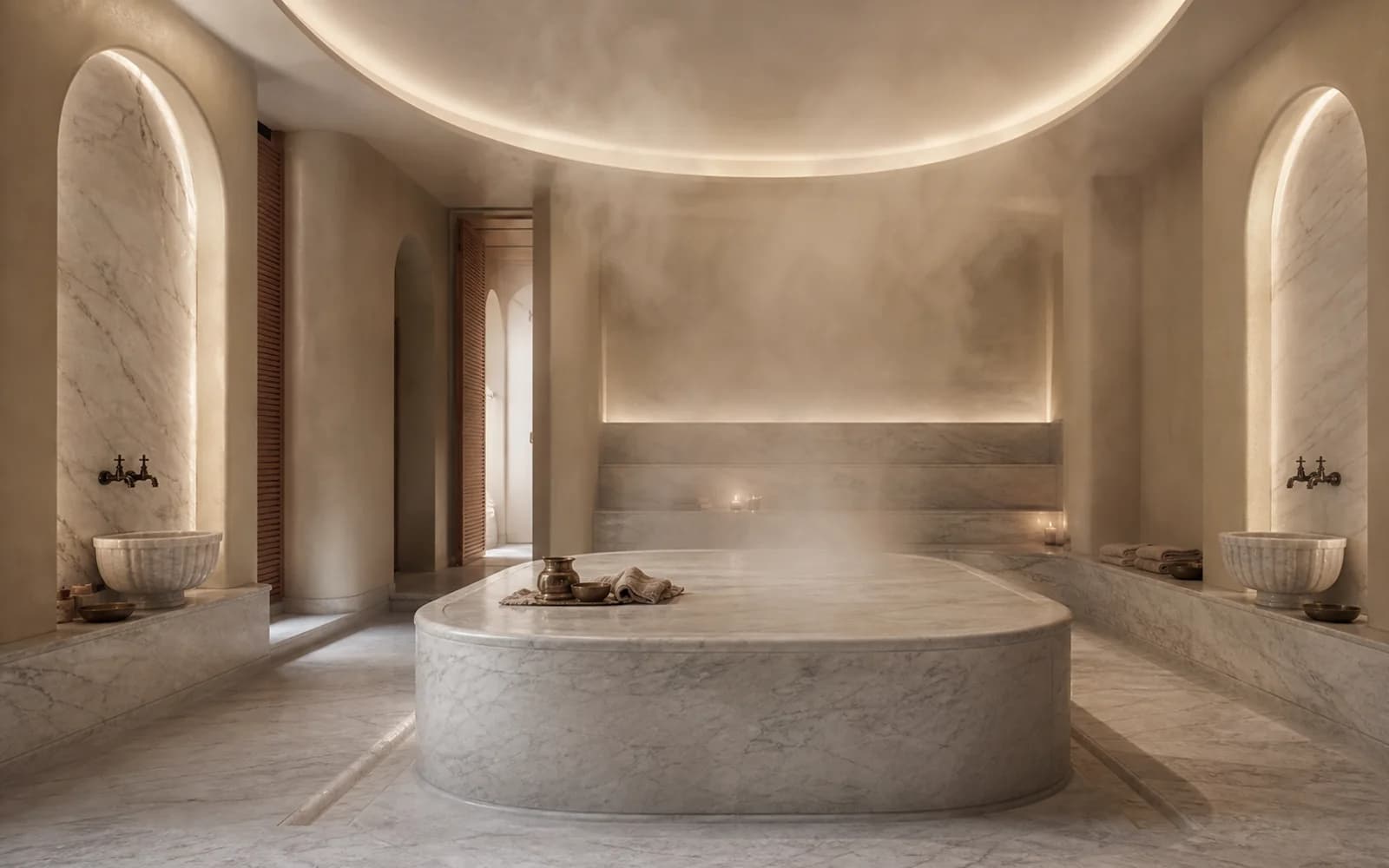
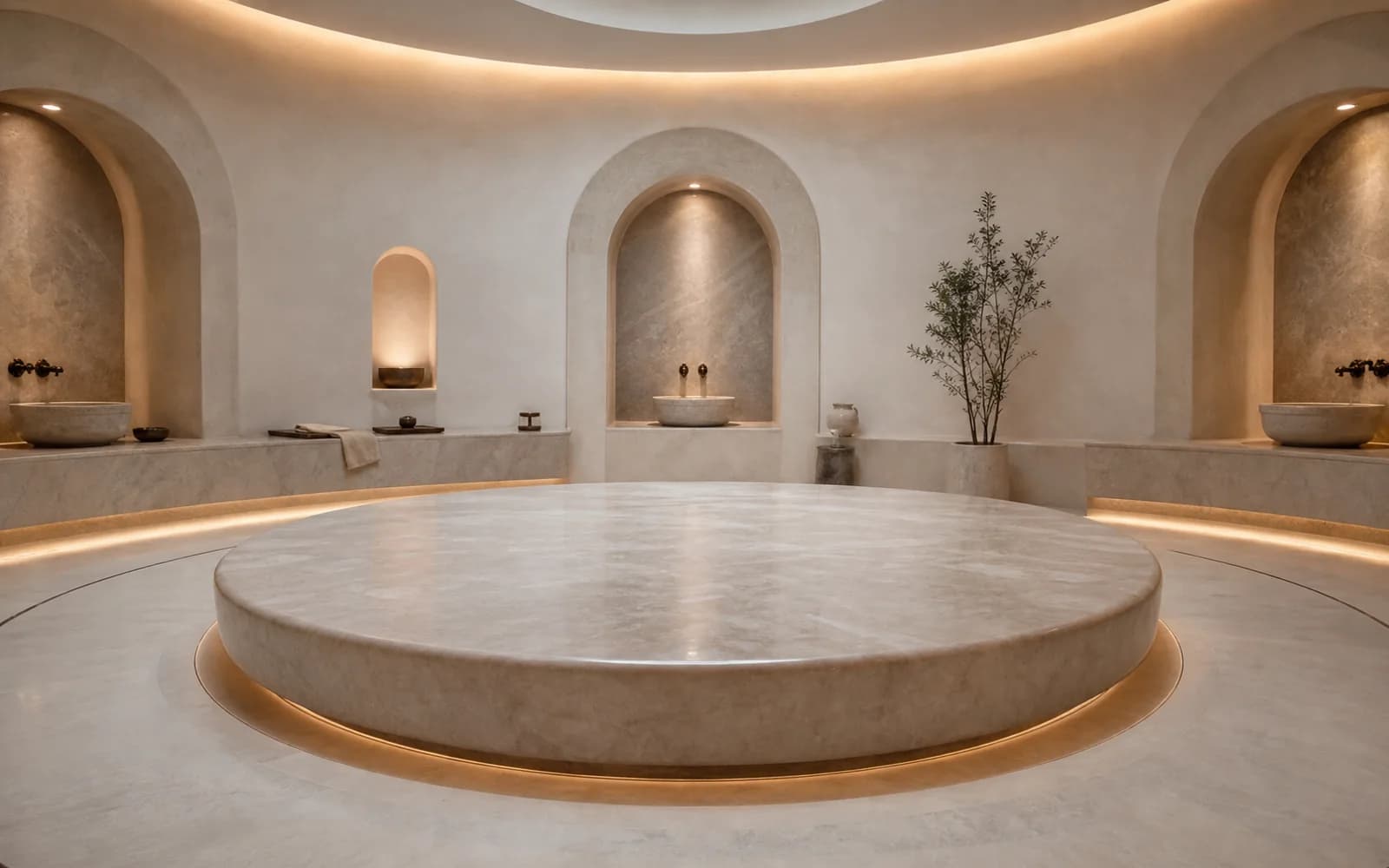
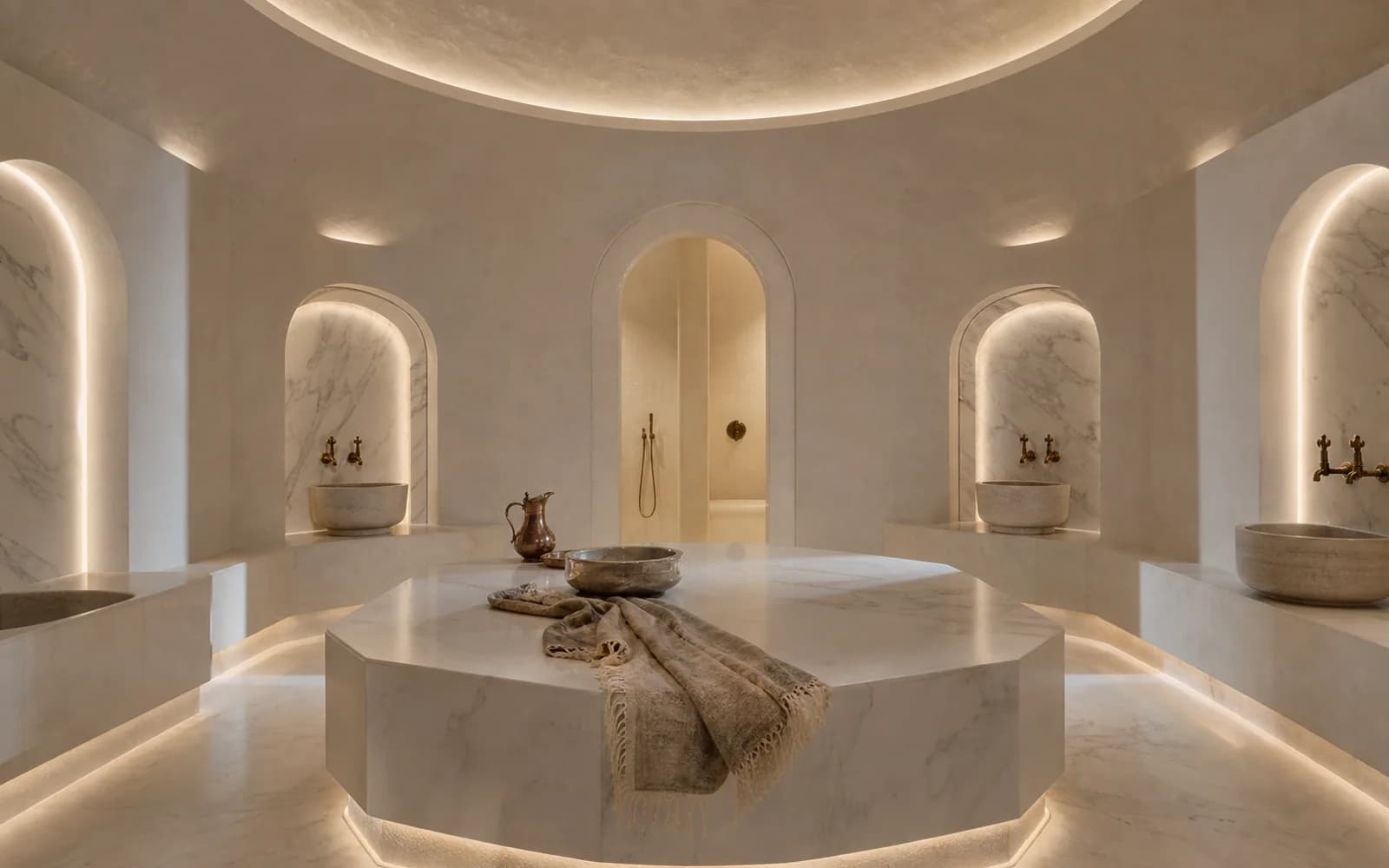
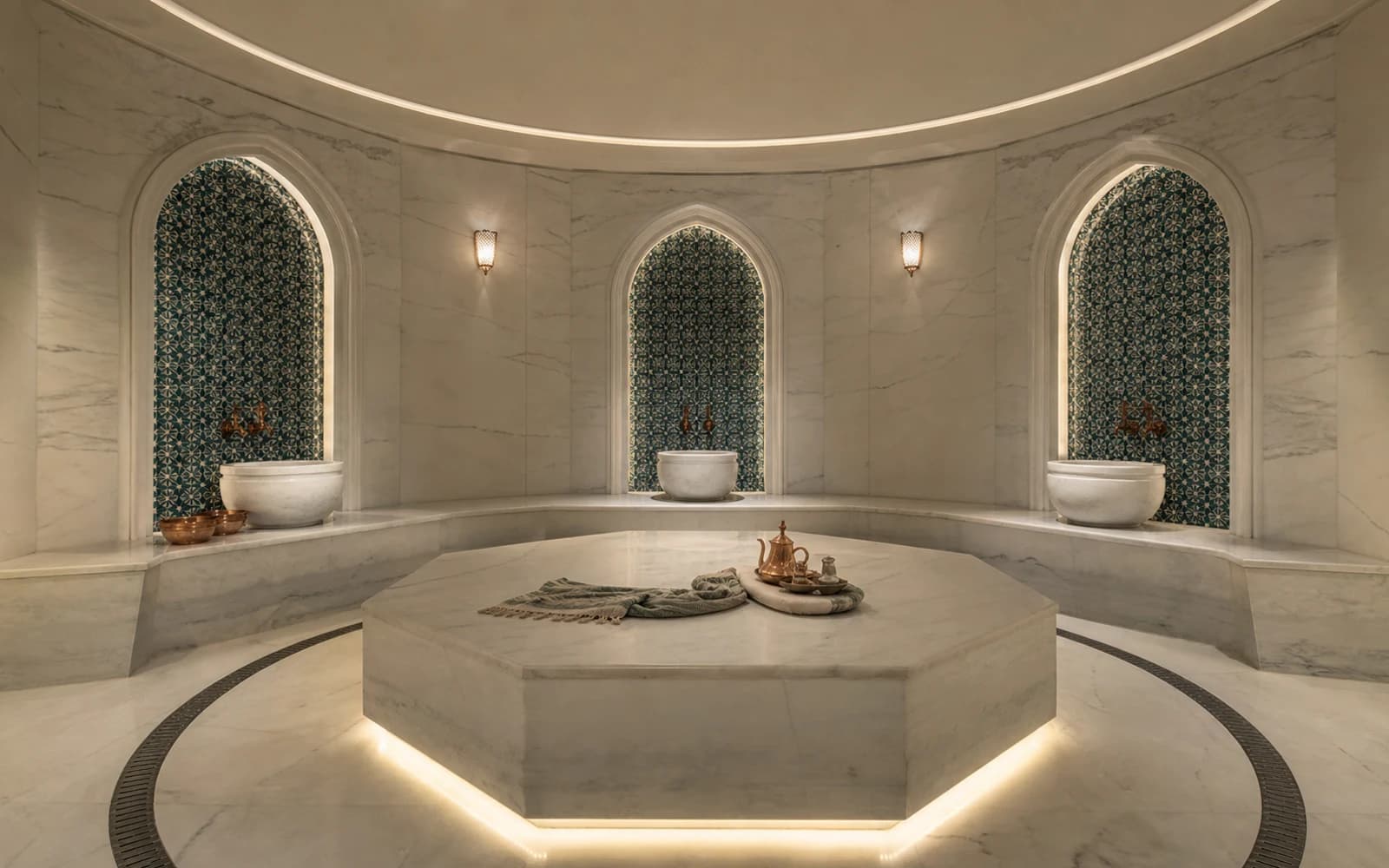
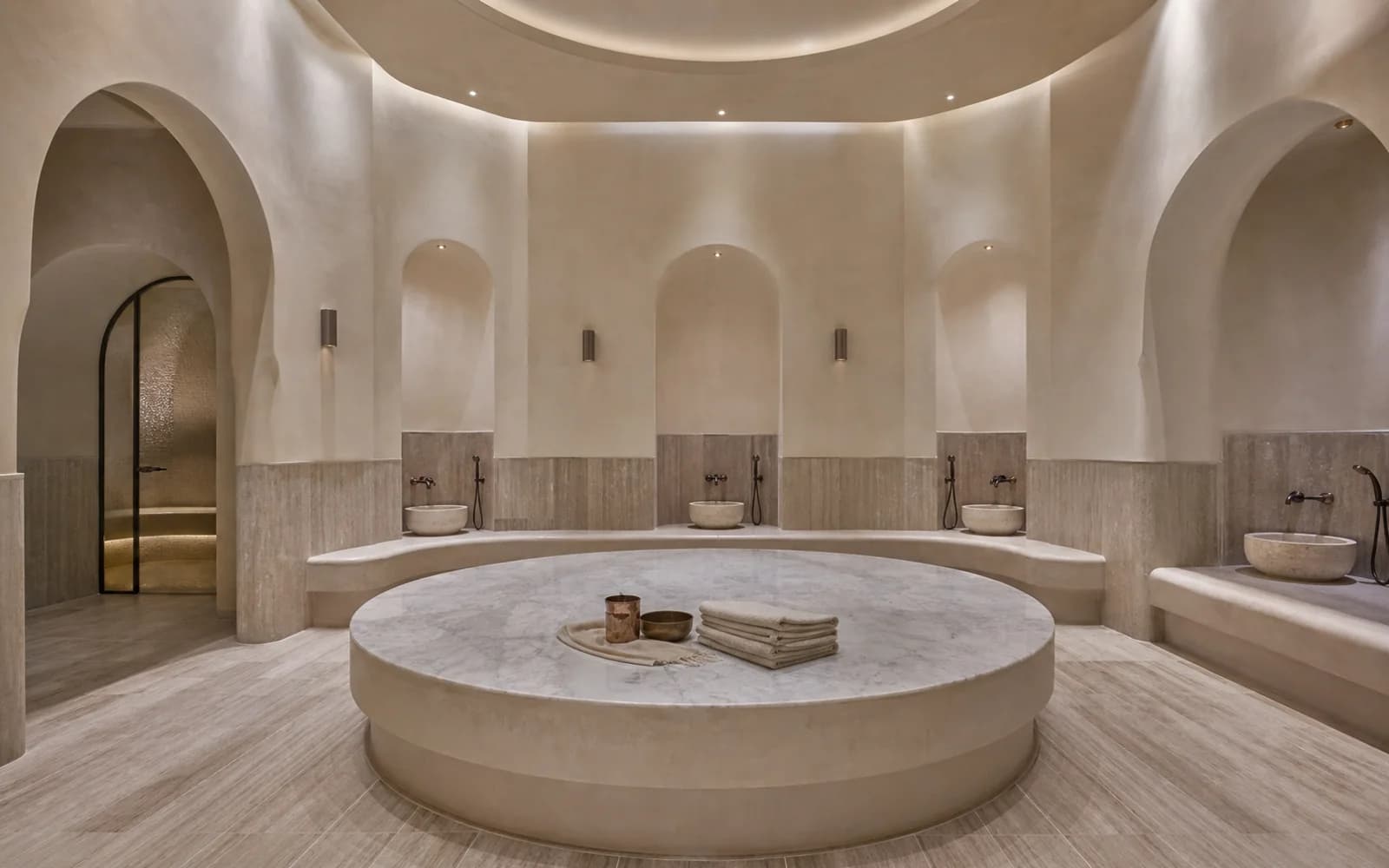
If you are thinking of a hammam at home, finished work gives you the quickest idea. Home hammams Çilek Havuz built in private residences come first, followed by commercial, hotel and municipal hammams. The images show navel stones, basins and wall finishes; each one links to its project page.
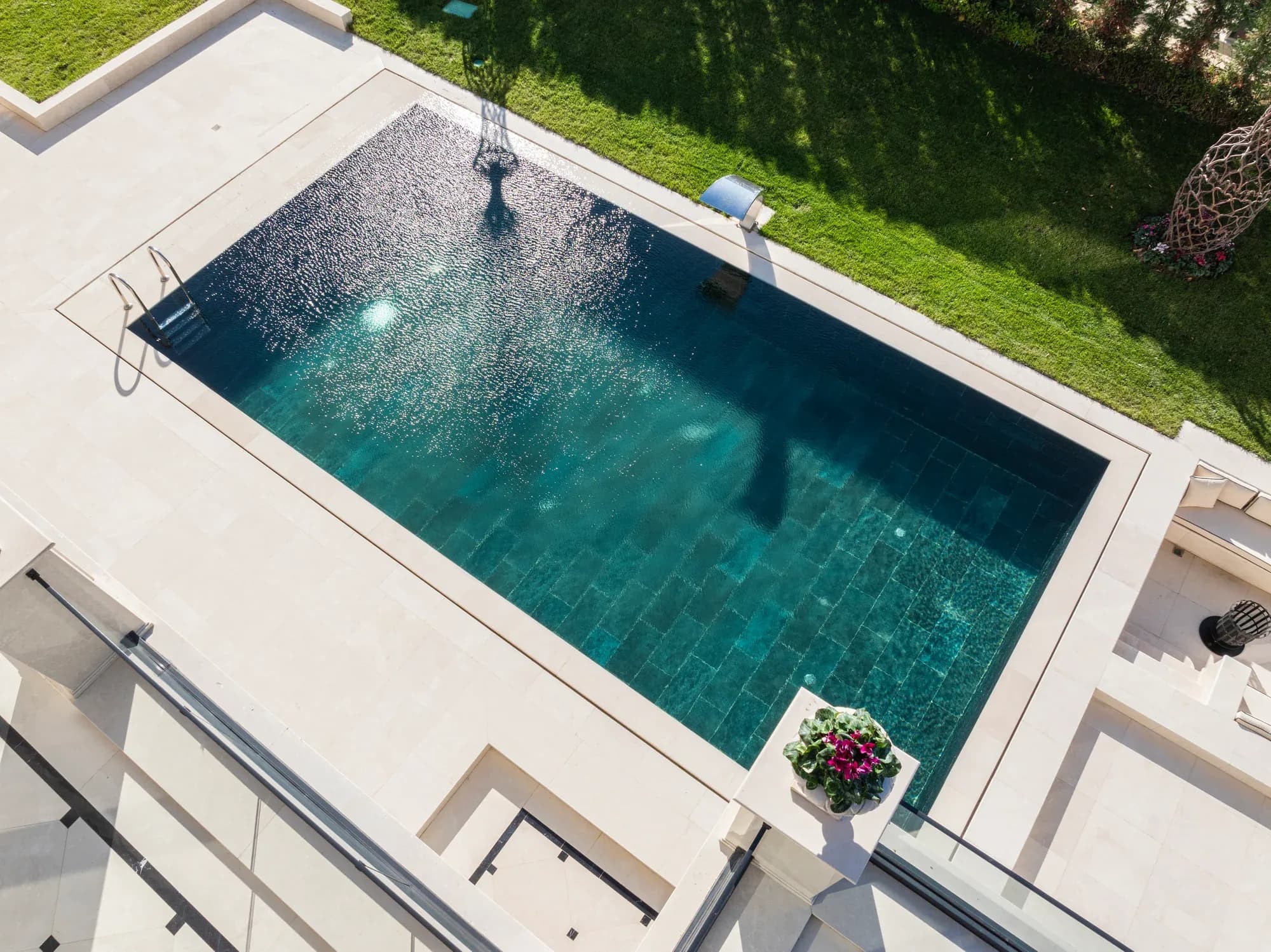
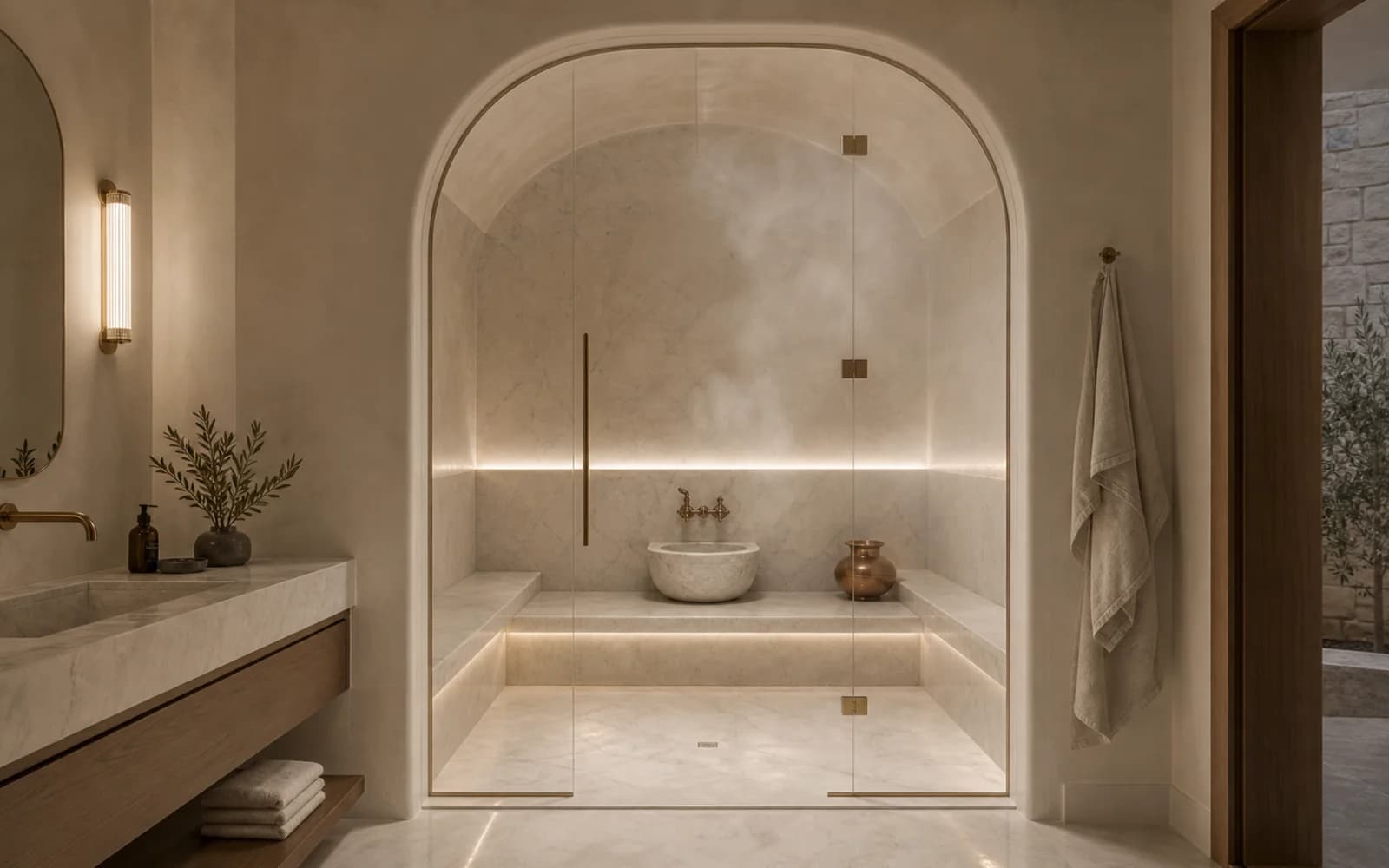
Project photos come from Çilek Havuz's own work, with the location and type of build under each image. The large images between sections are design visuals.
5
Projects
28
Photos
28+ Years
Years
To have one of these designs built in your home, villa or hotel, our Turkish bath construction page covers the work from the survey to handover.
2 projects · 11 photos
Modern marble home hammams
Turkish Hammam & Sauna · Yalova2025 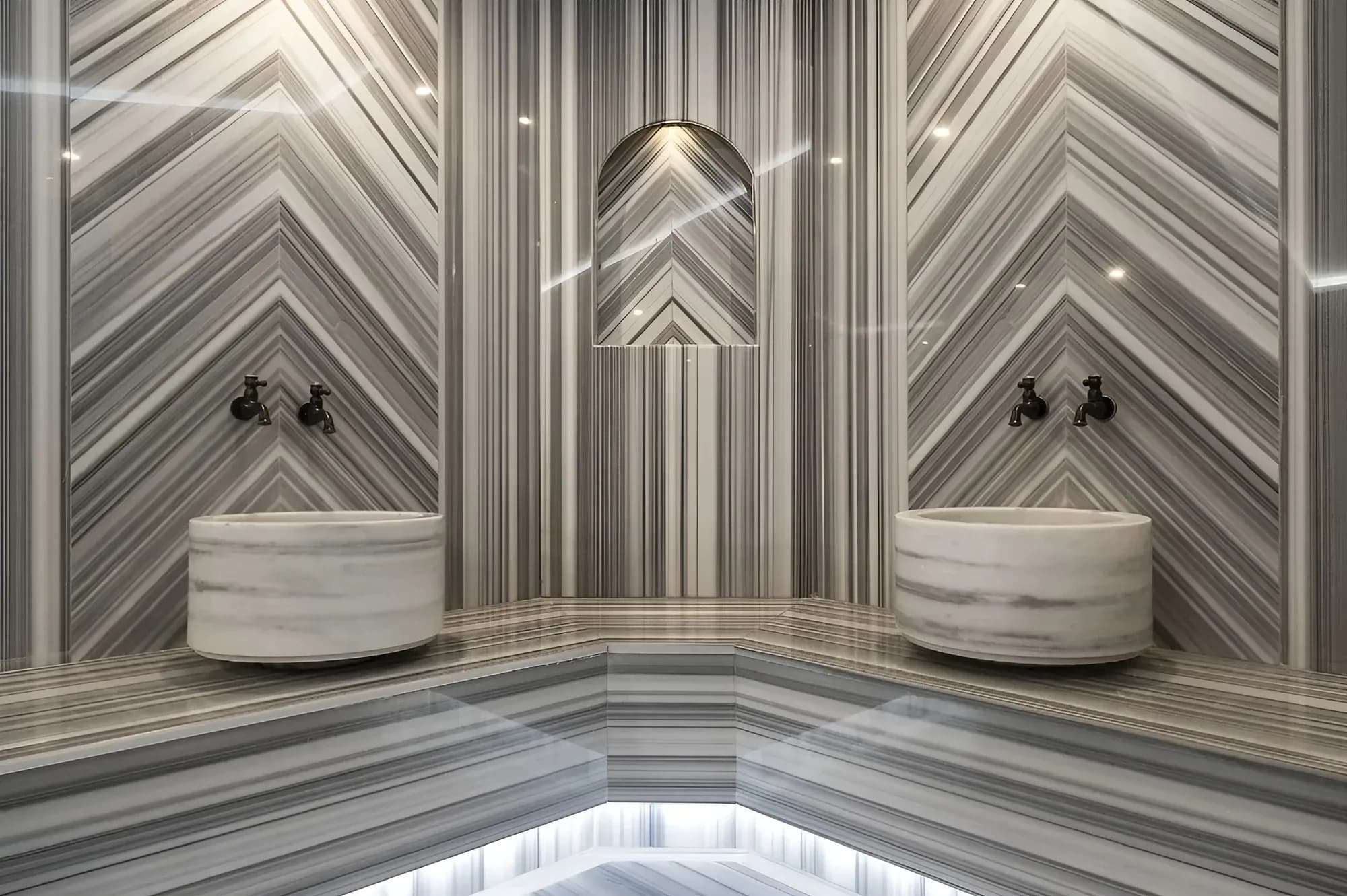
Turkish Hammam & Sauna · Yalova2025 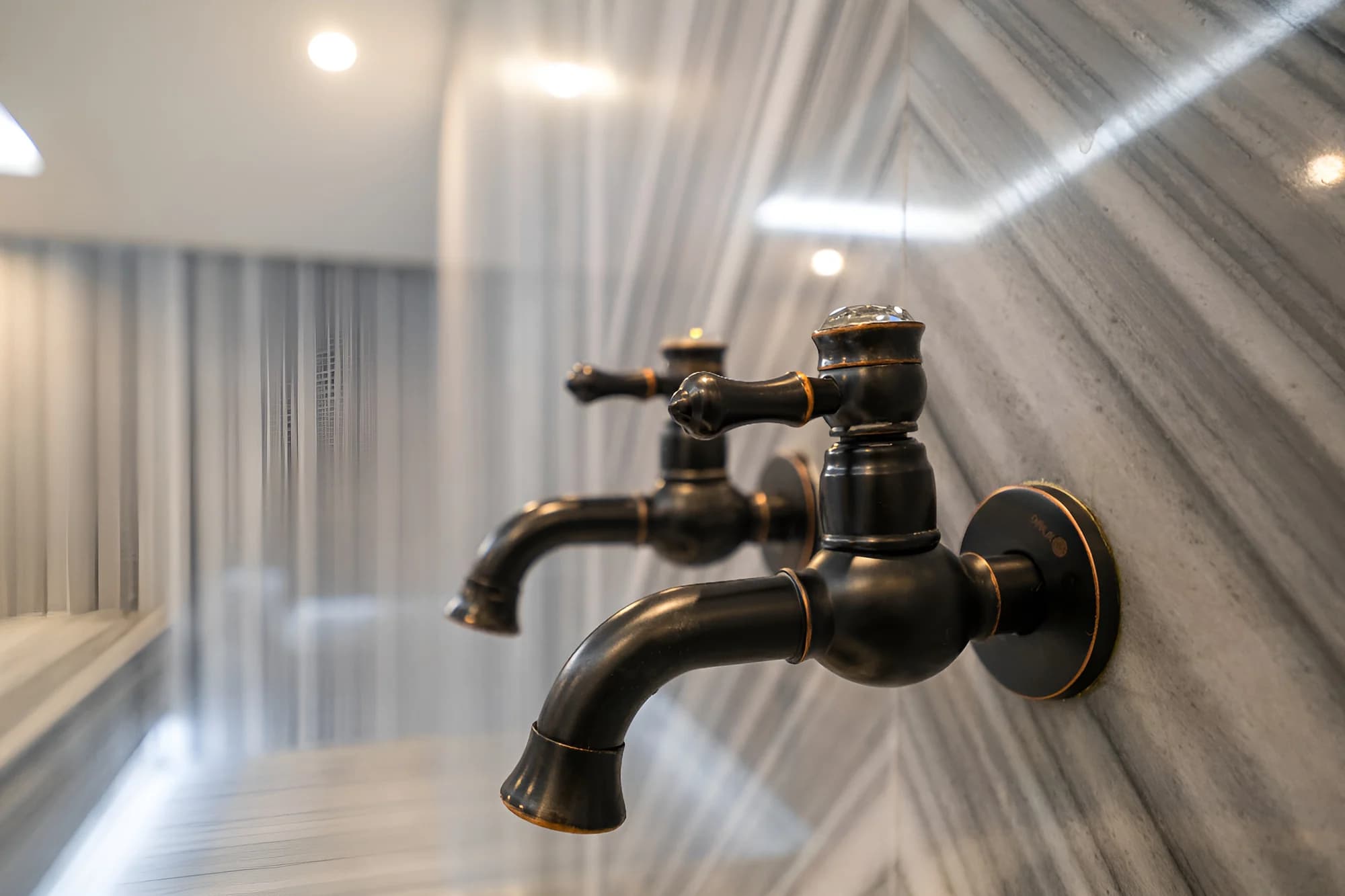
Turkish Hammam & Sauna · Yalova2025 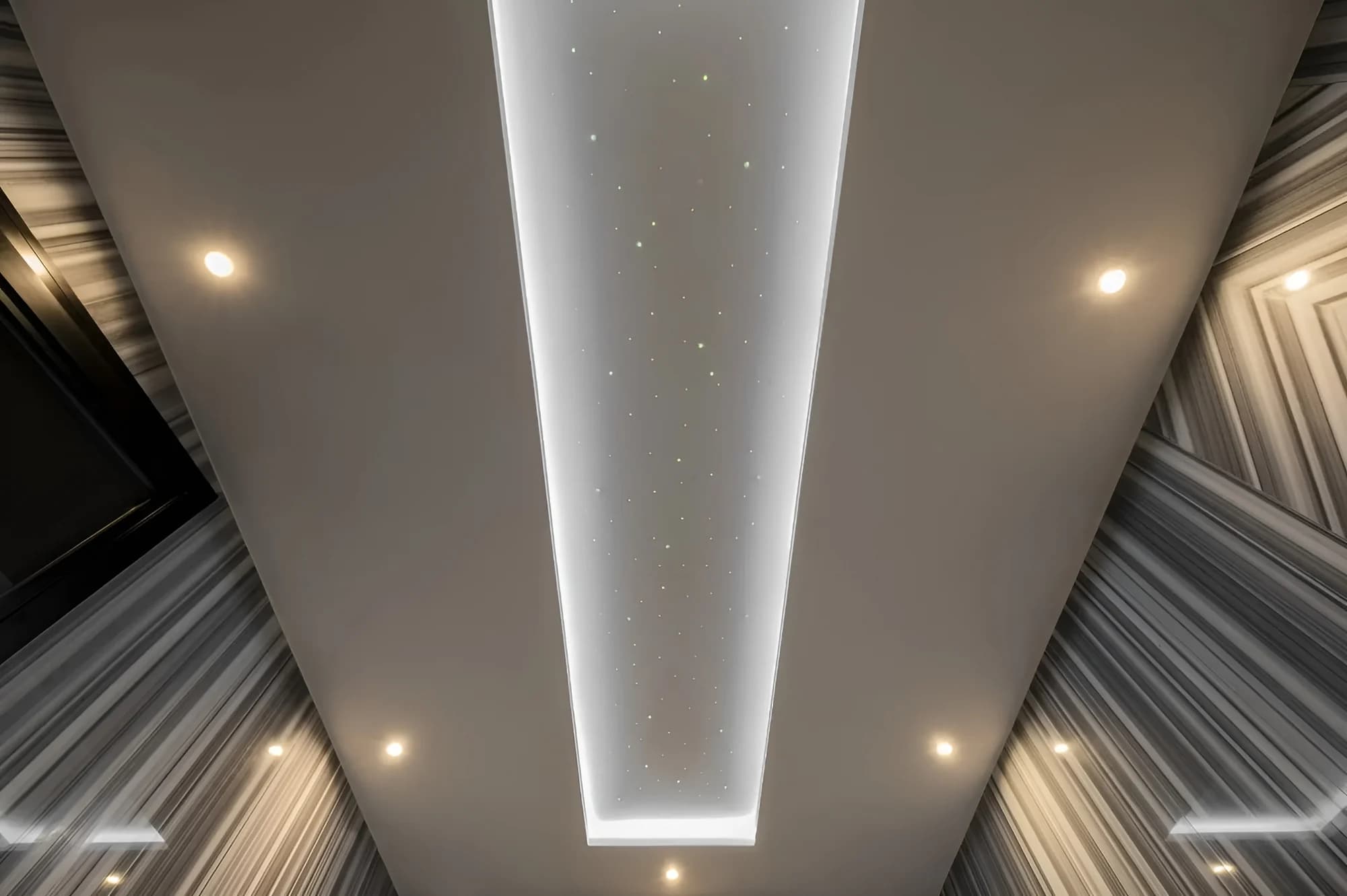
Turkish Hammam & Sauna · Yalova2025 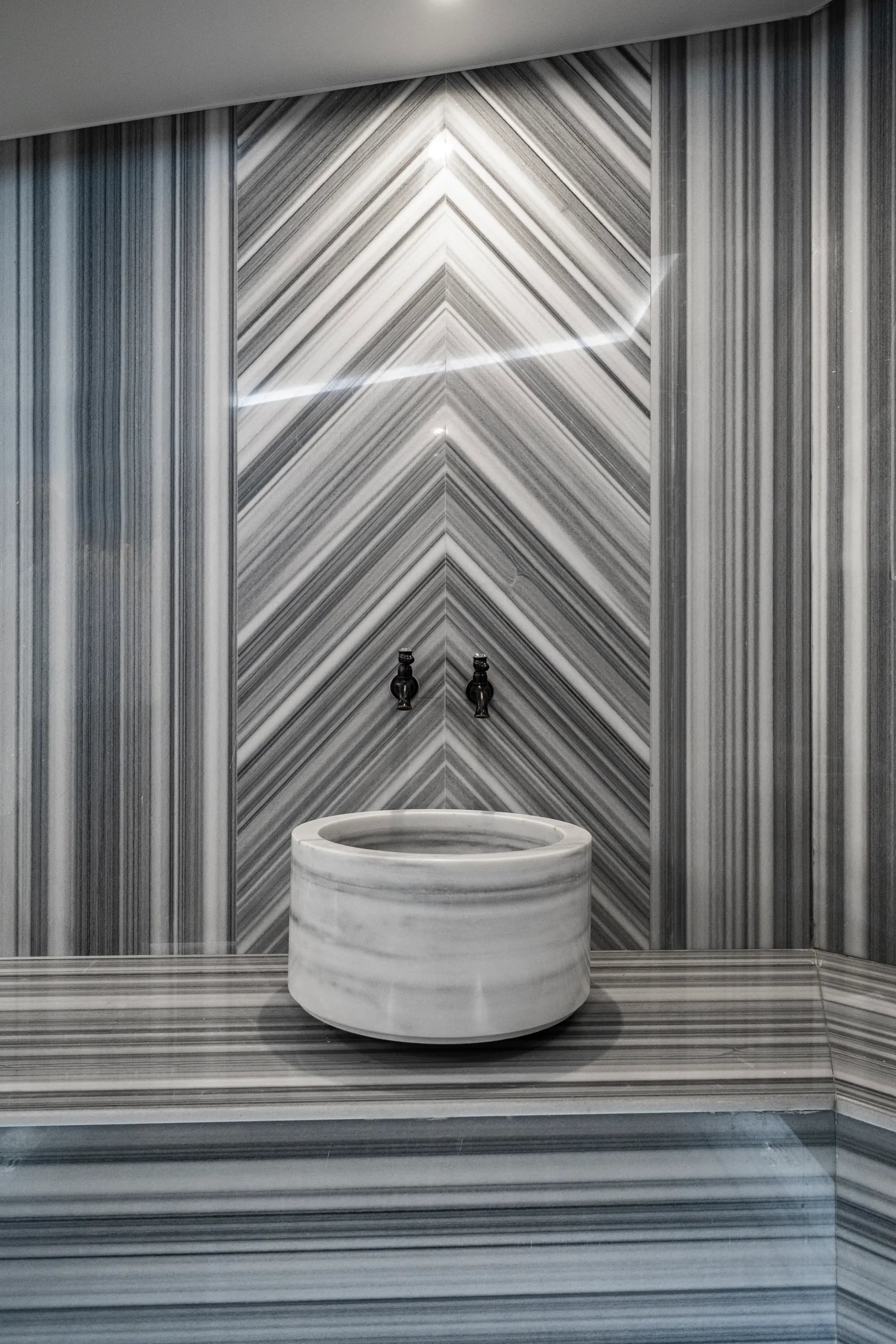
Turkish Hammam & Sauna · Yalova2025 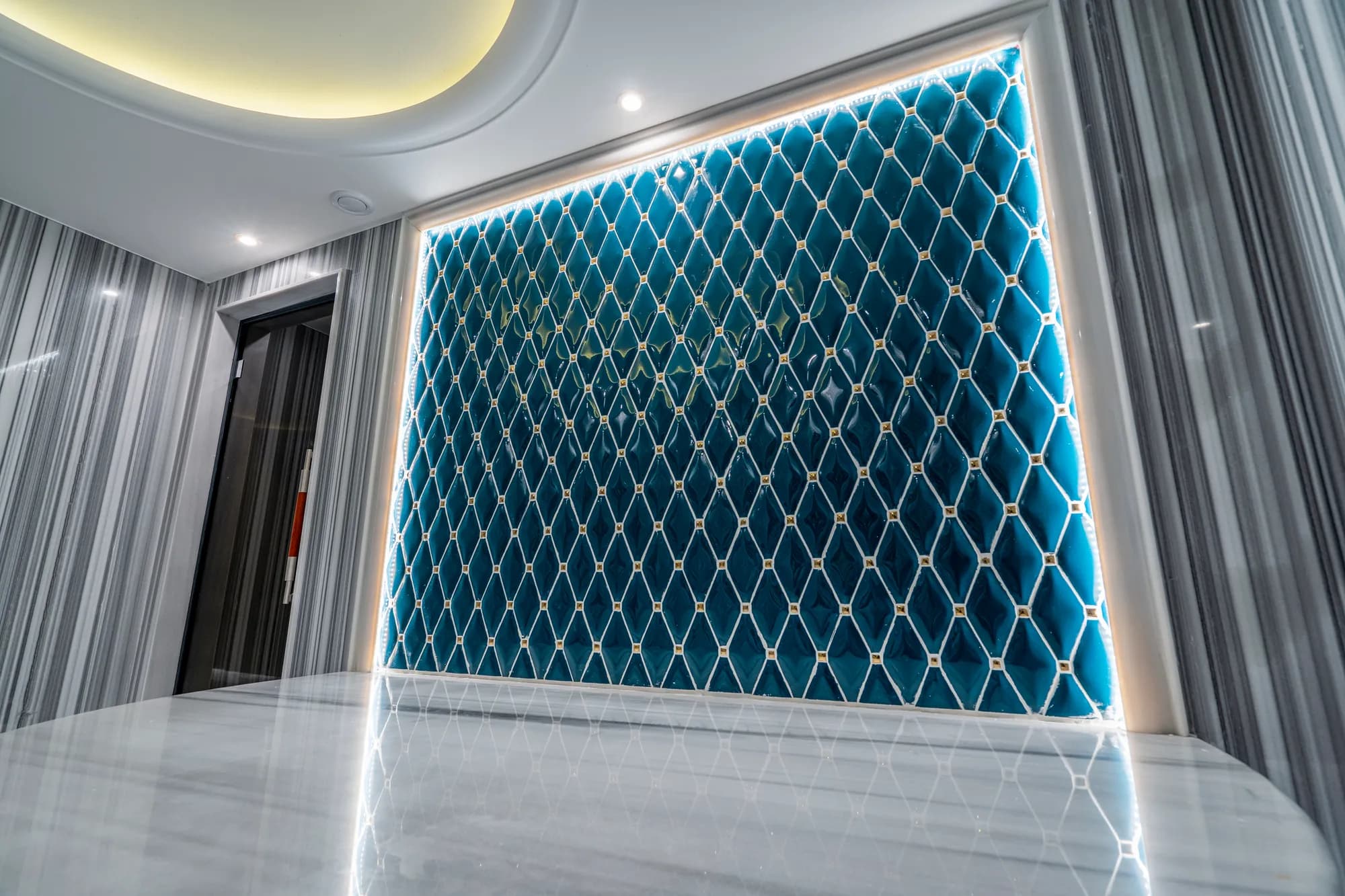
Turkish Hammam · Istanbul 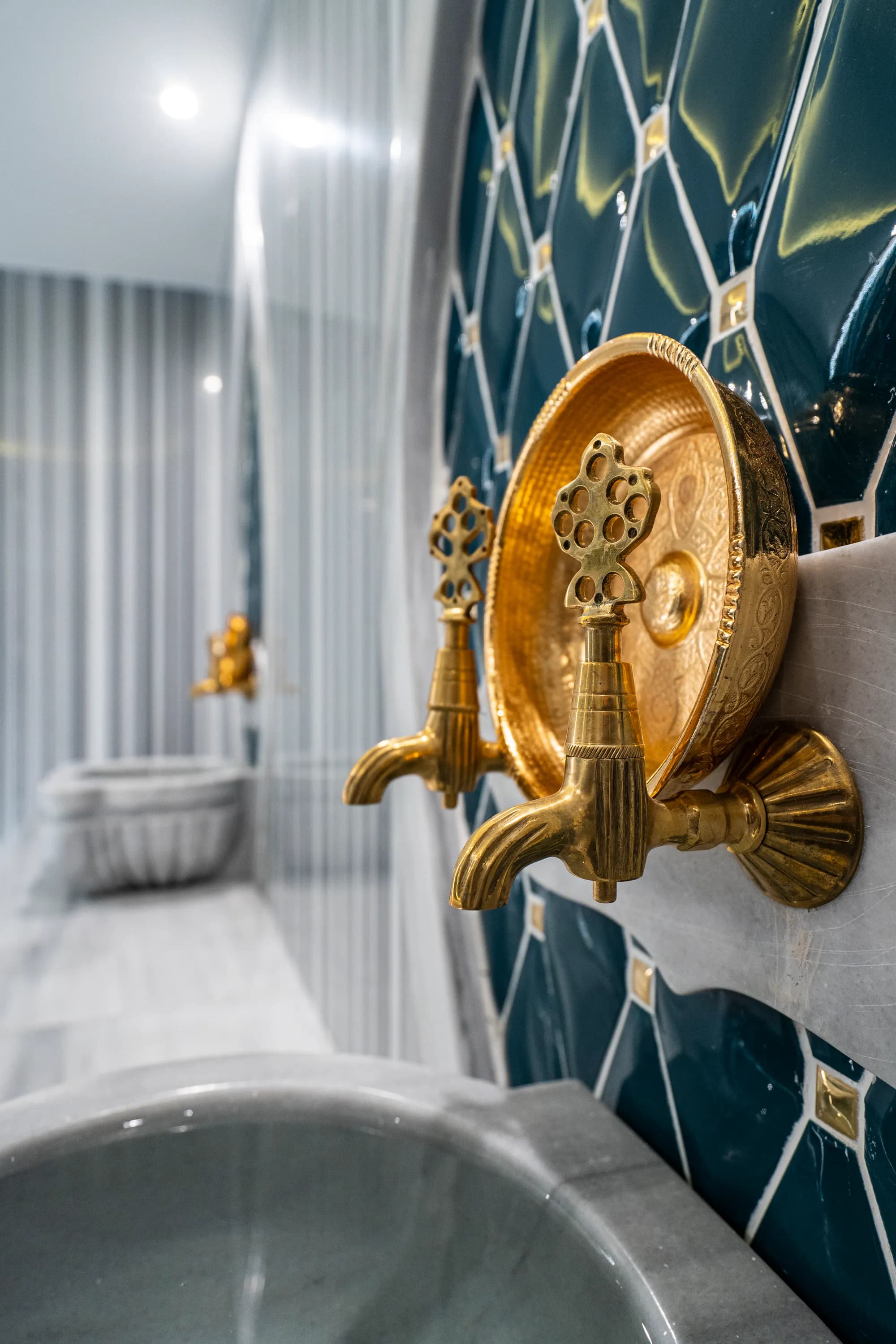
Turkish Hammam · Istanbul 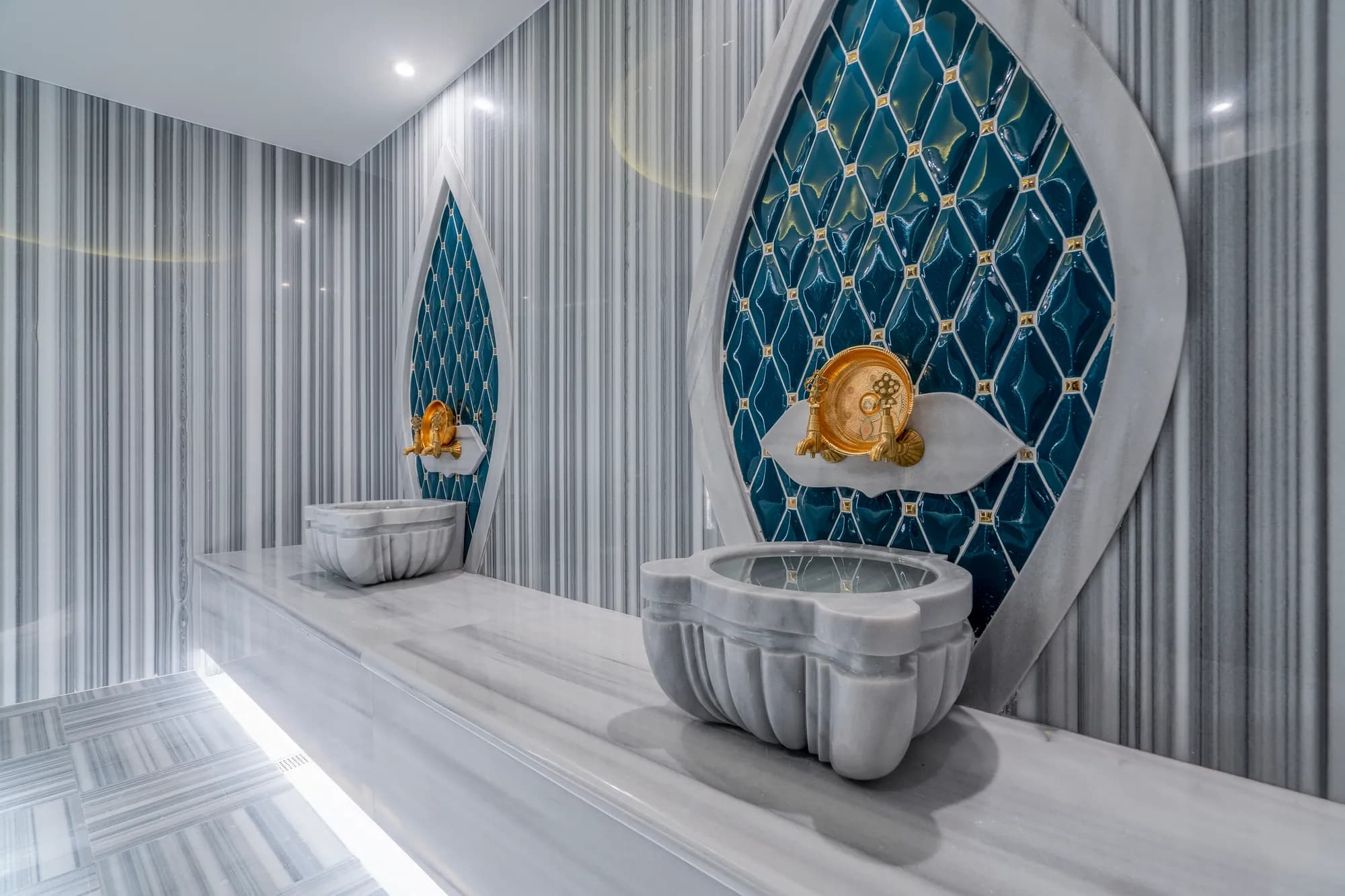
Turkish Hammam · Istanbul 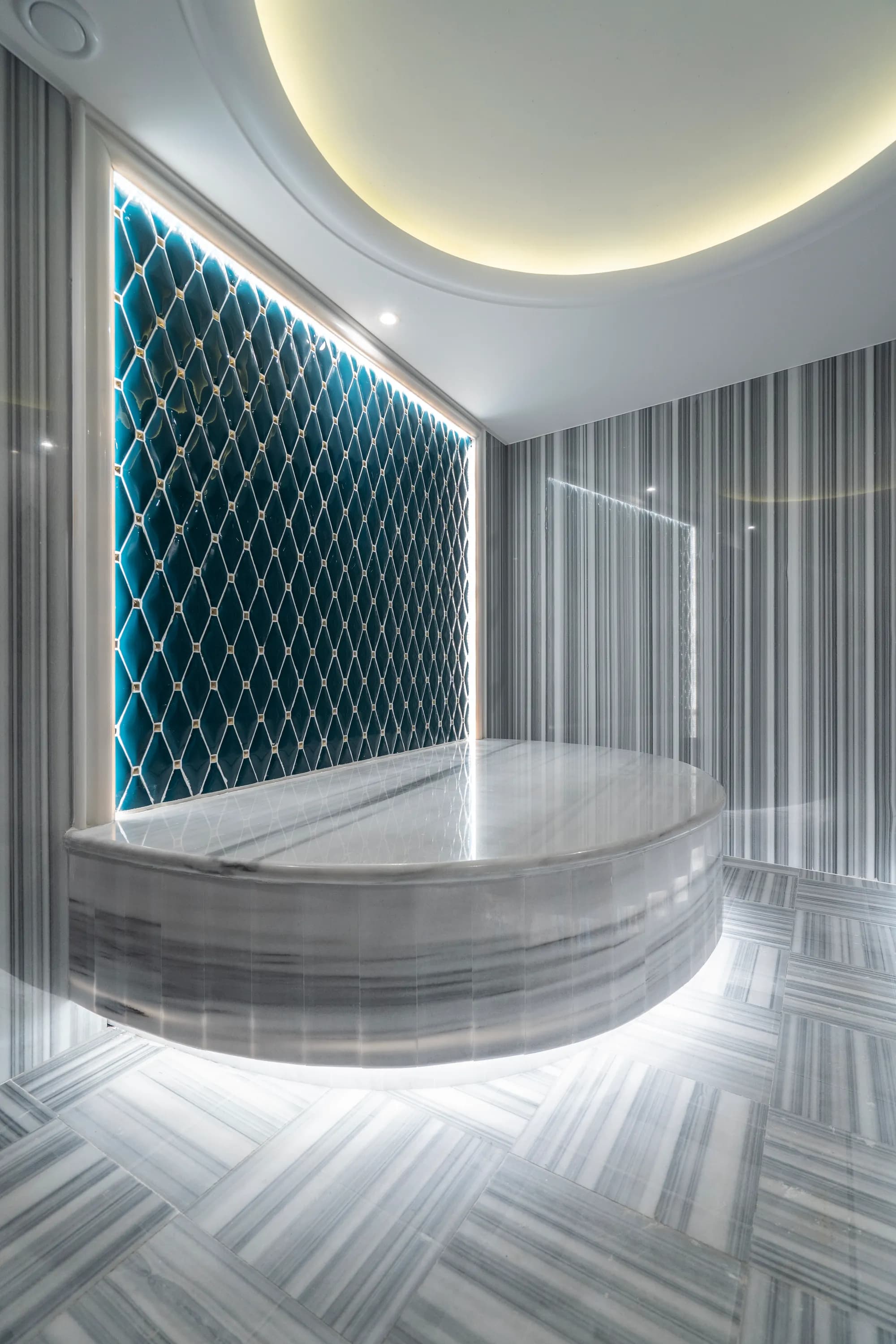
Turkish Hammam · Istanbul 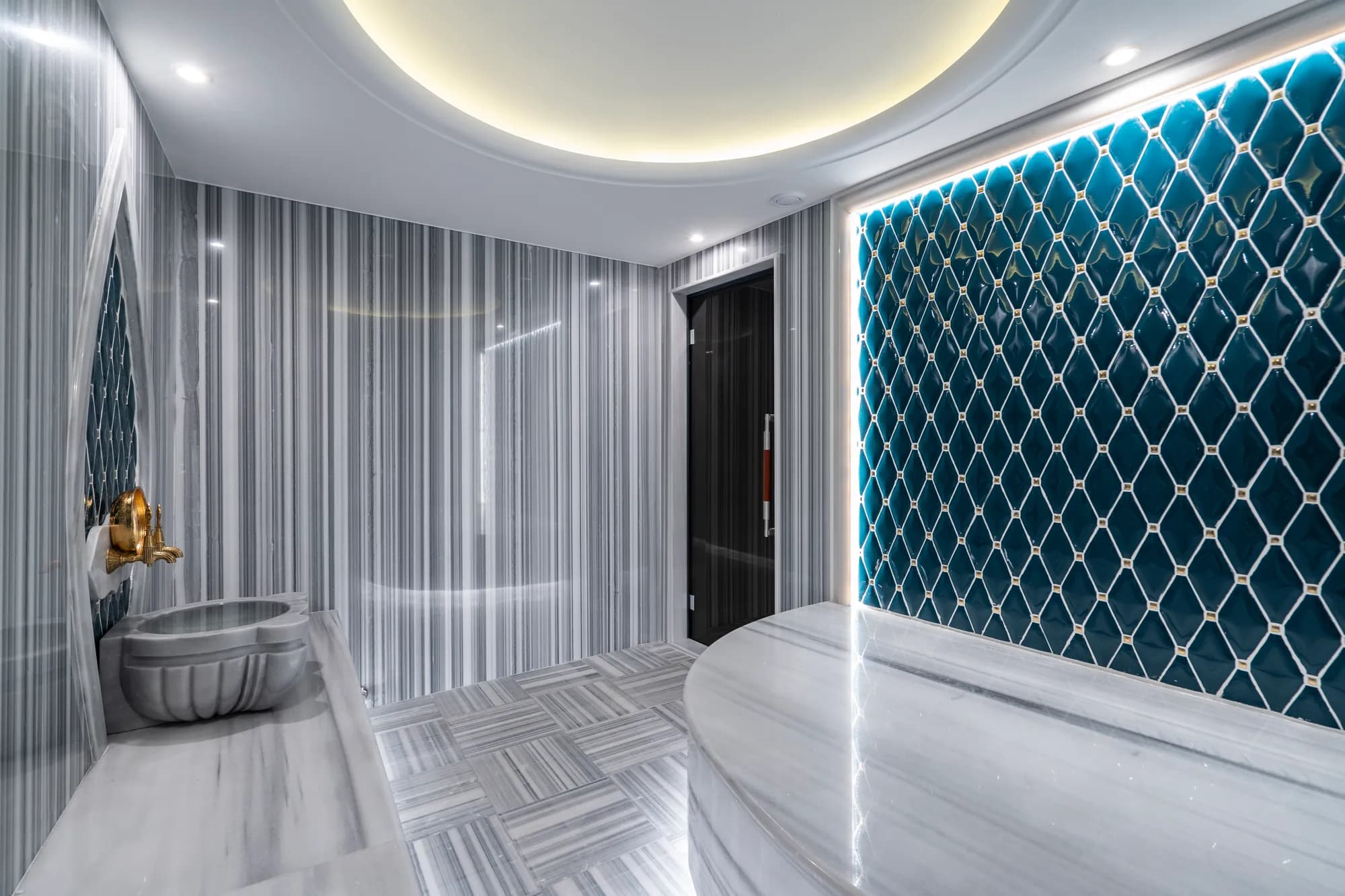
Turkish Hammam · Istanbul 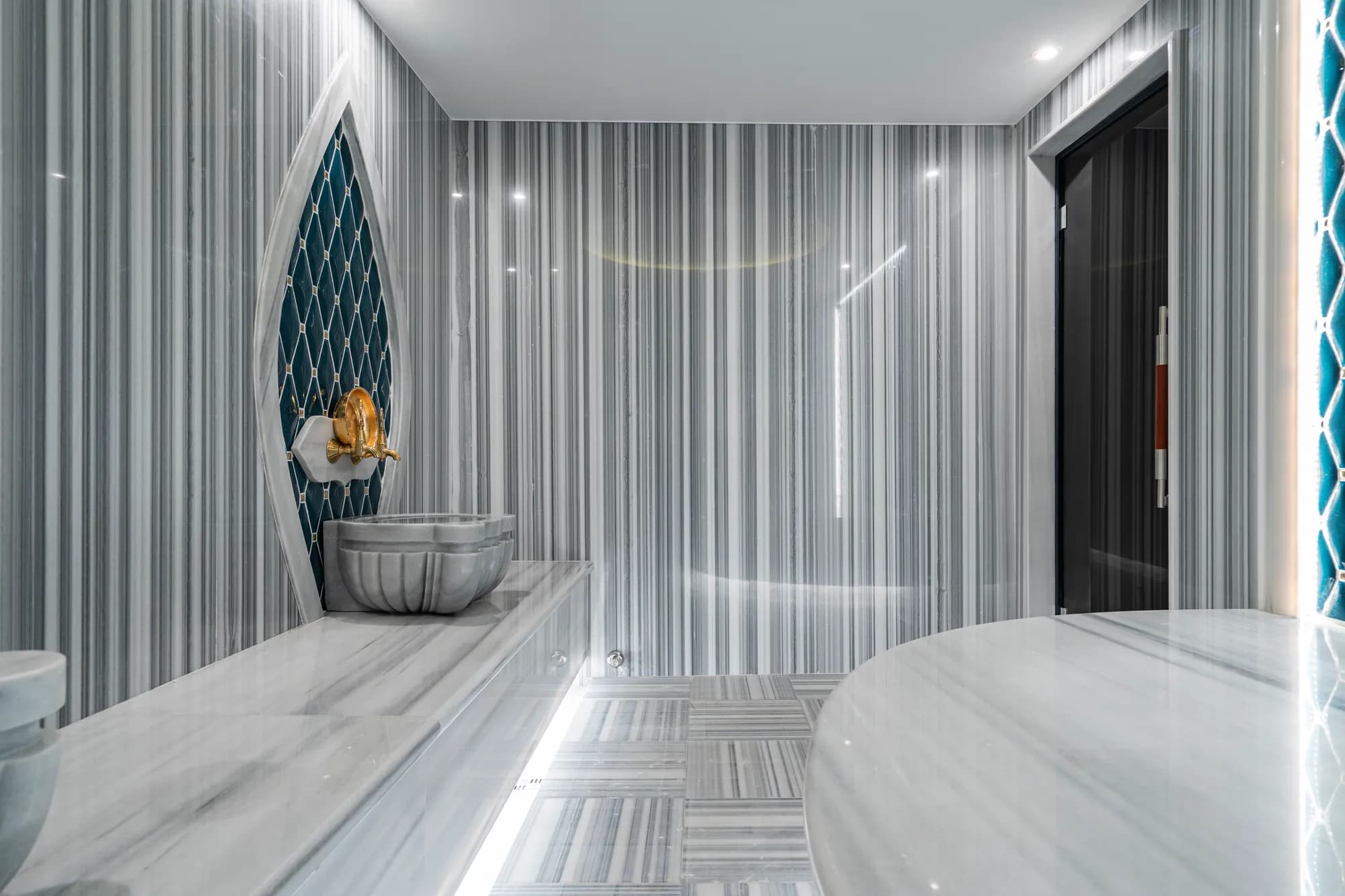
Turkish Hammam · Istanbul
2 projects · 6 photos
Hotel and spa hammams
Turkish Hammam · Alibeyköy, Istanbul 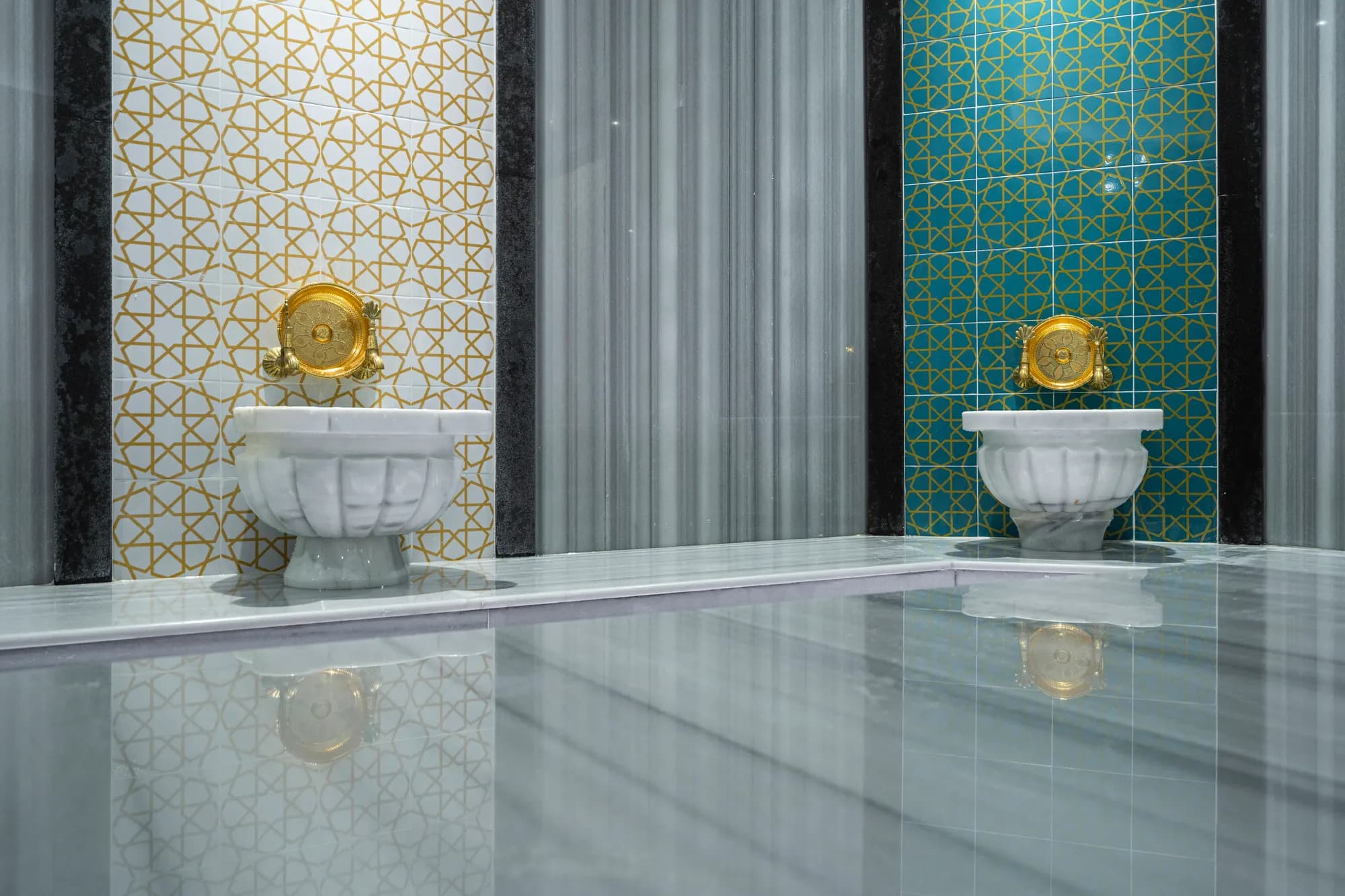
Turkish Hammam · Alibeyköy, Istanbul 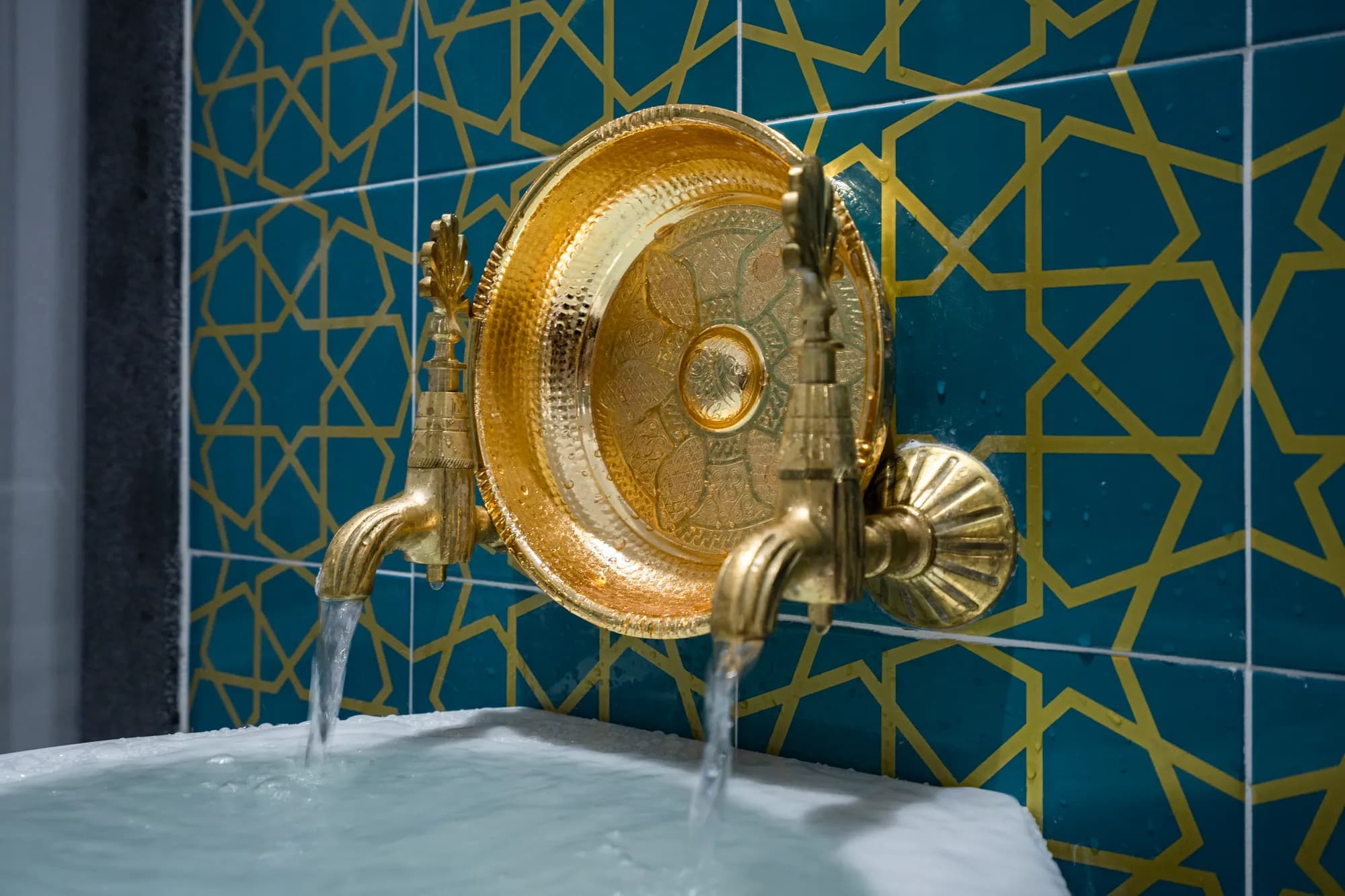
Turkish Hammam · Alibeyköy, Istanbul 
Spa Hammam & Sauna · Bolu 
Spa Hammam & Sauna · Bolu 
Spa Hammam & Sauna · Bolu
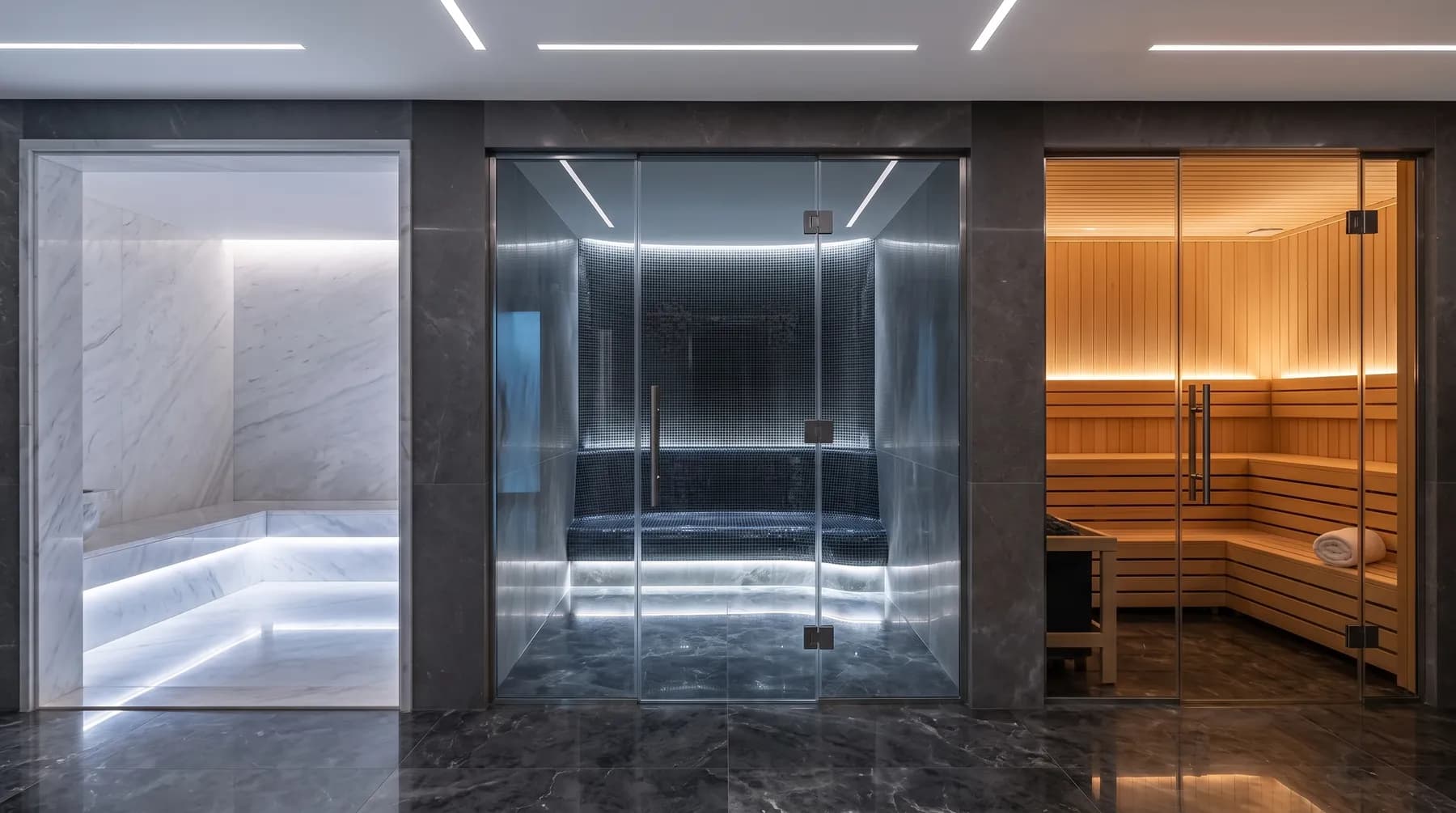
Hotel and spa hammams often have a steam room beside them, with the wet area and drainage planned together. The details are on our steam room construction page.
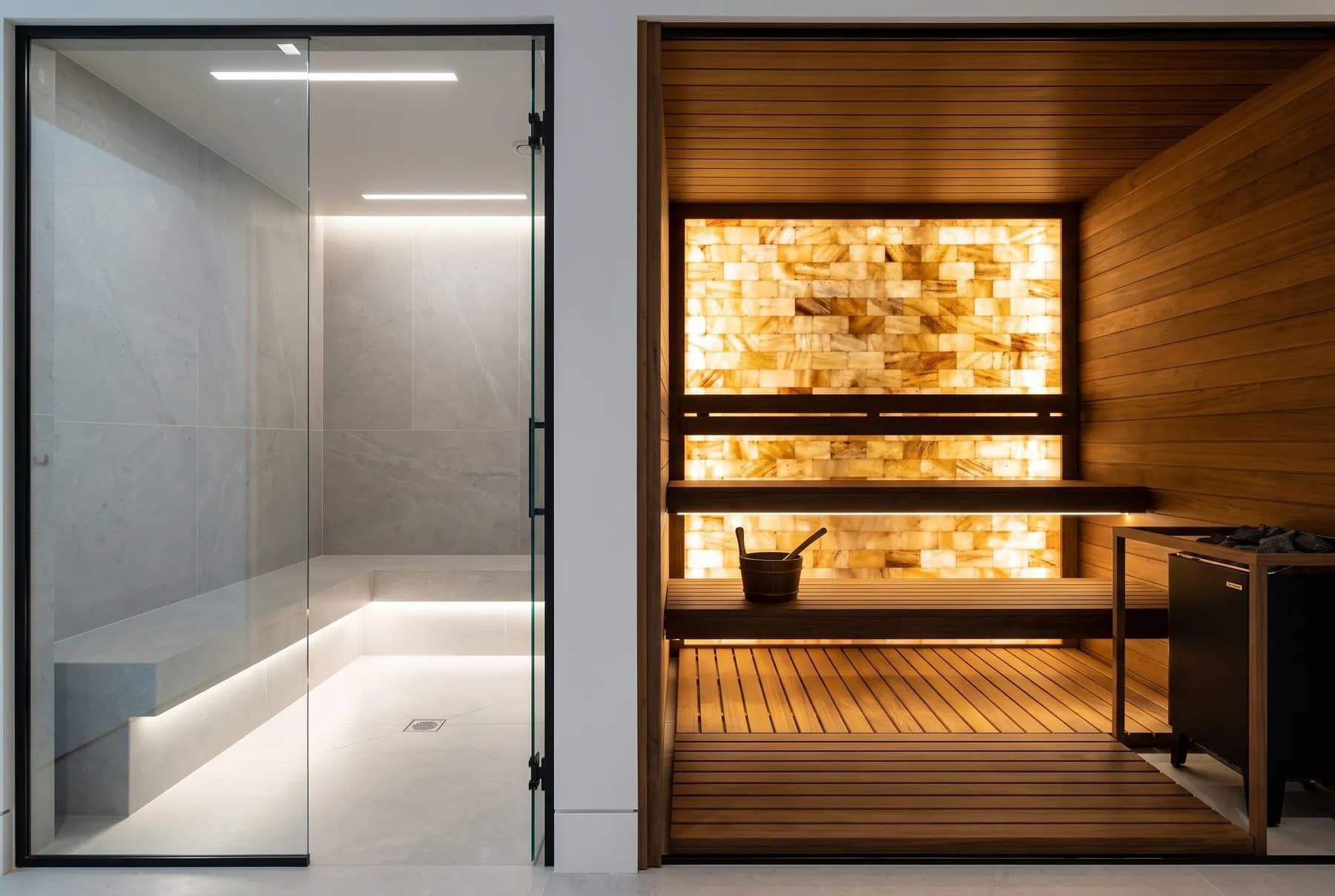
3 projects · 6 photos
Sauna alongside the hammam
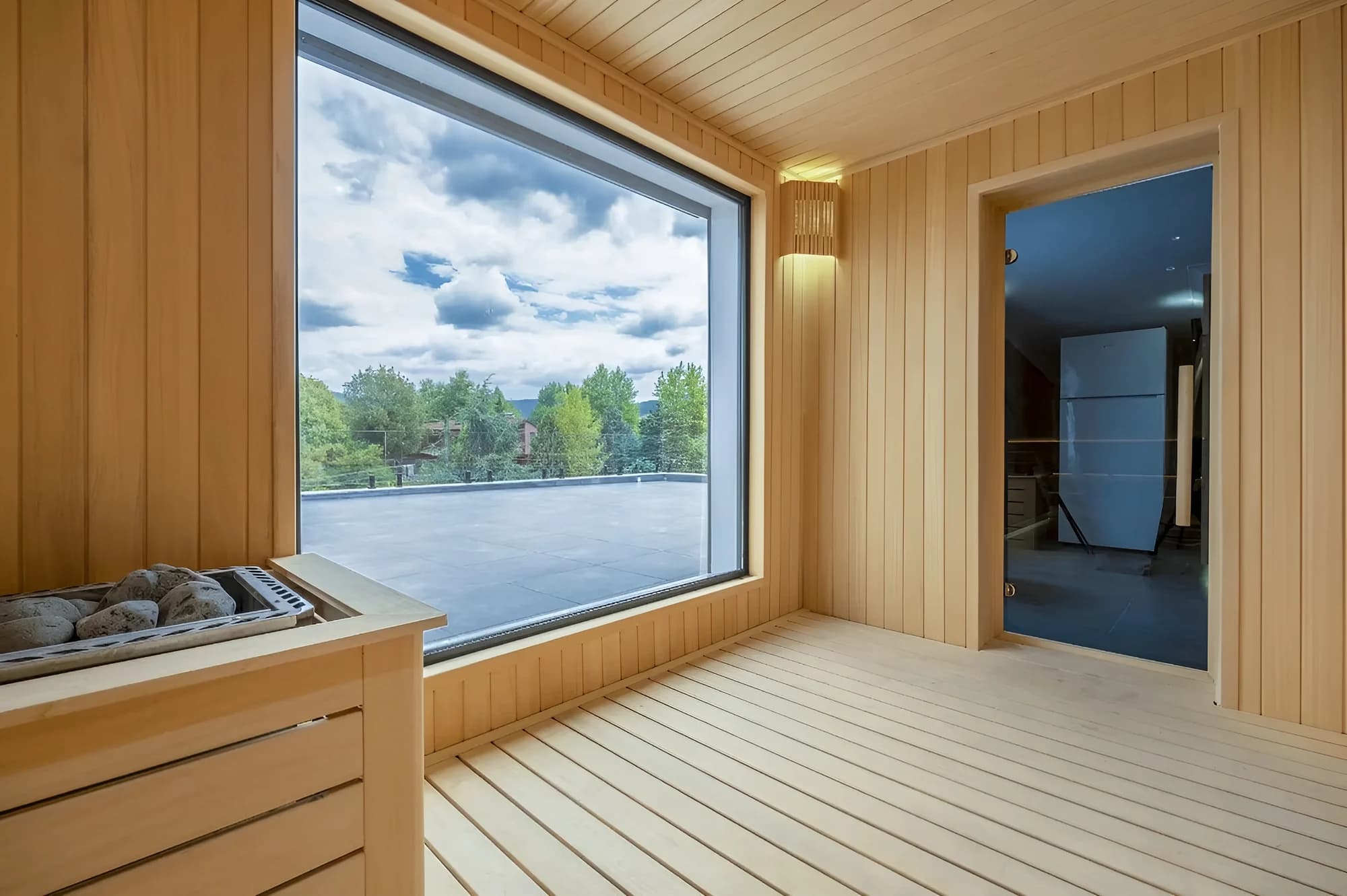
Turkish Hammam & Sauna · Yalova2025 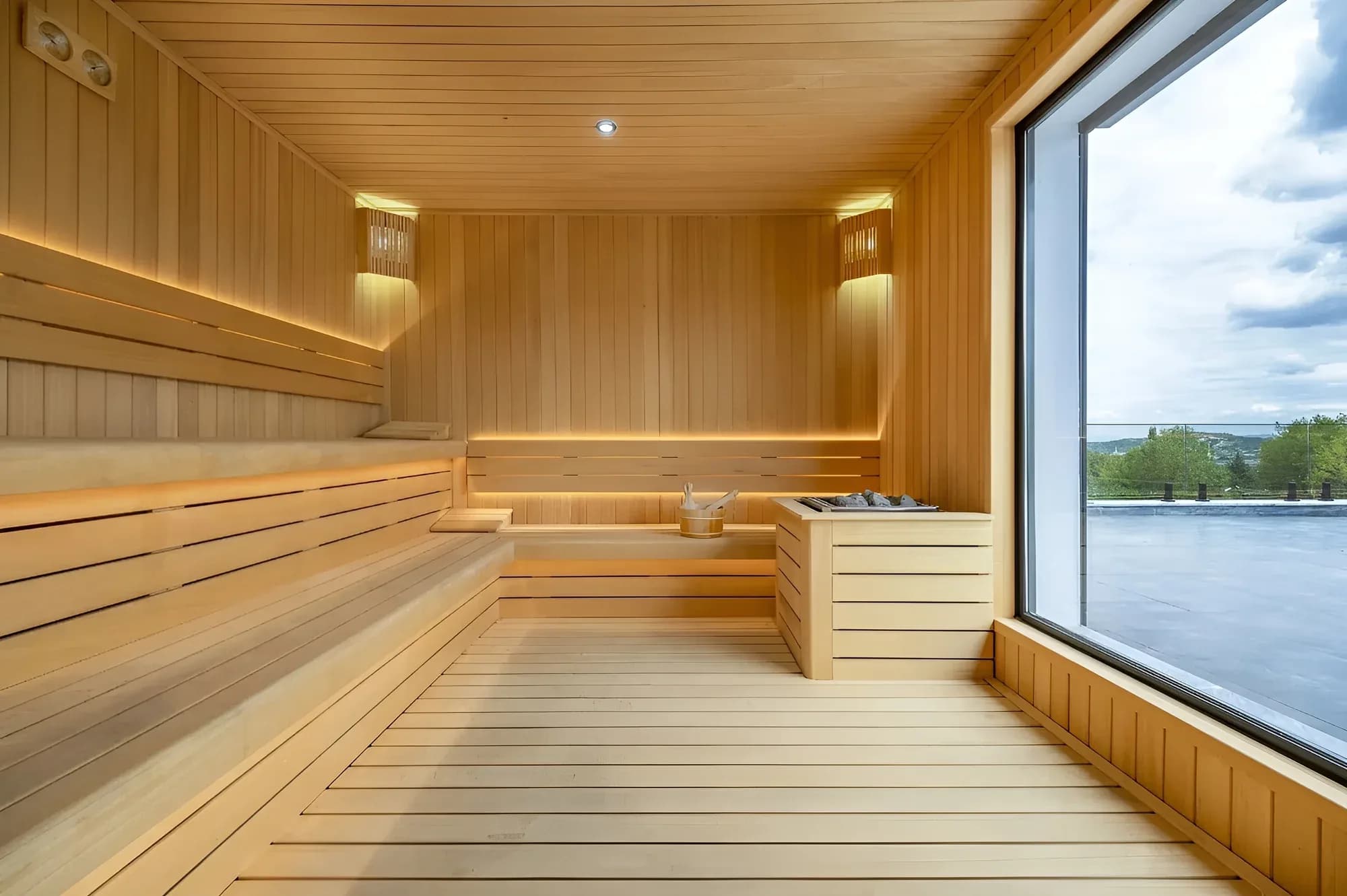
Turkish Hammam & Sauna · Yalova2025 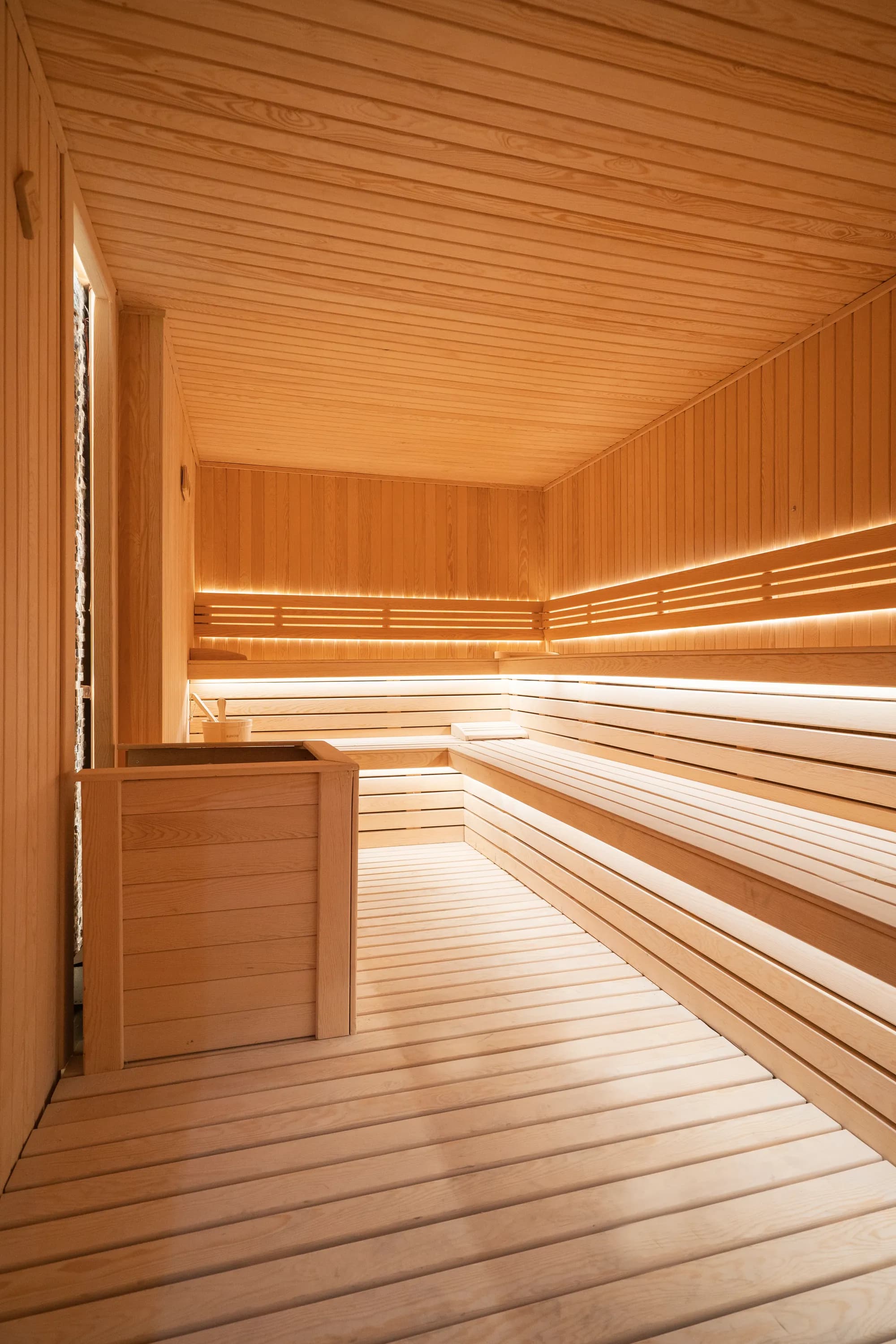
Turkish Hammam · Alibeyköy, Istanbul 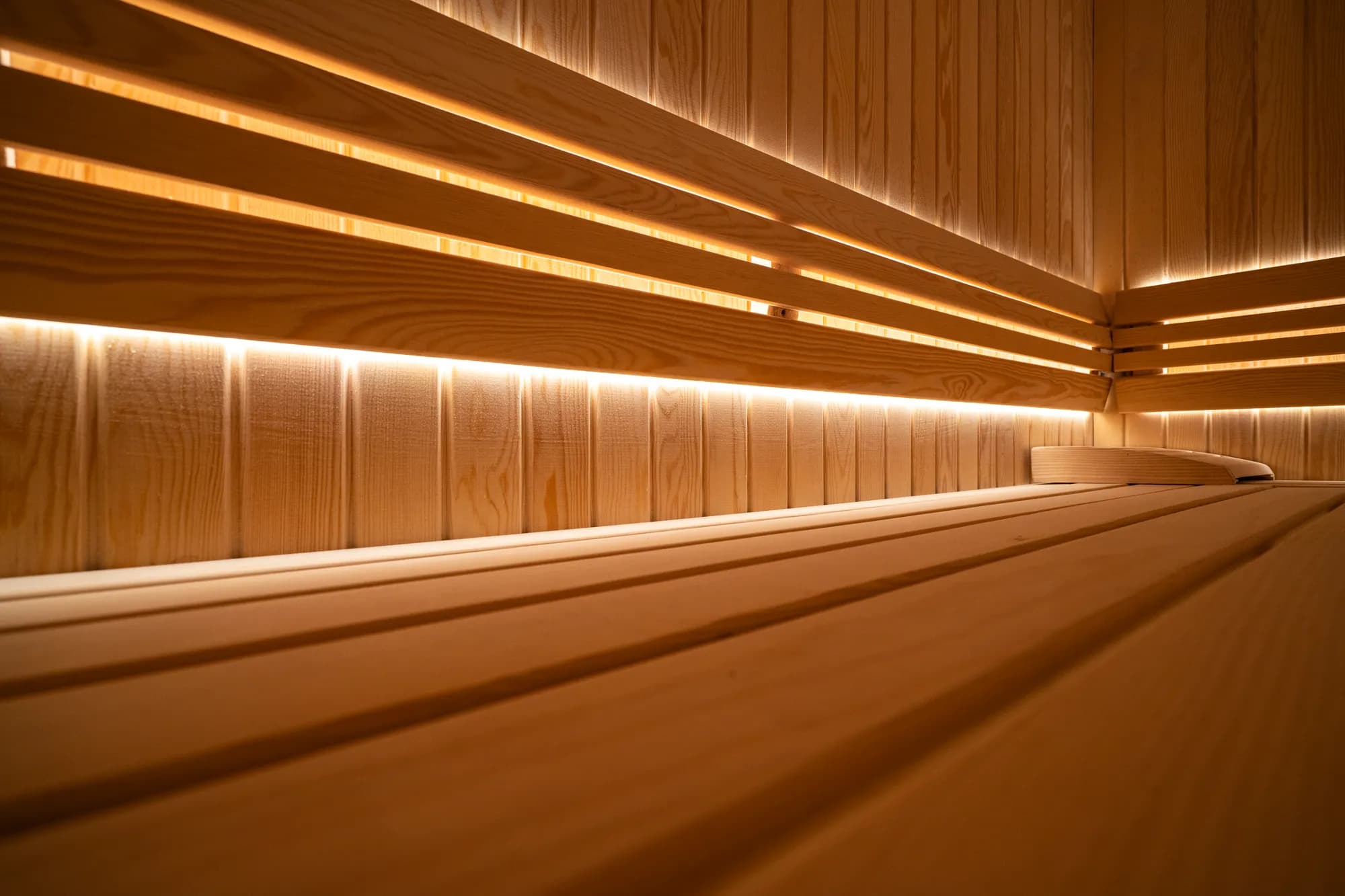
Turkish Hammam · Alibeyköy, Istanbul 
Spa Hammam & Sauna · Bolu 
Spa Hammam & Sauna · Bolu
A sauna works with dry heat and needs its own room and its own heater, separate from the hammam. The build side is on our sauna construction page.
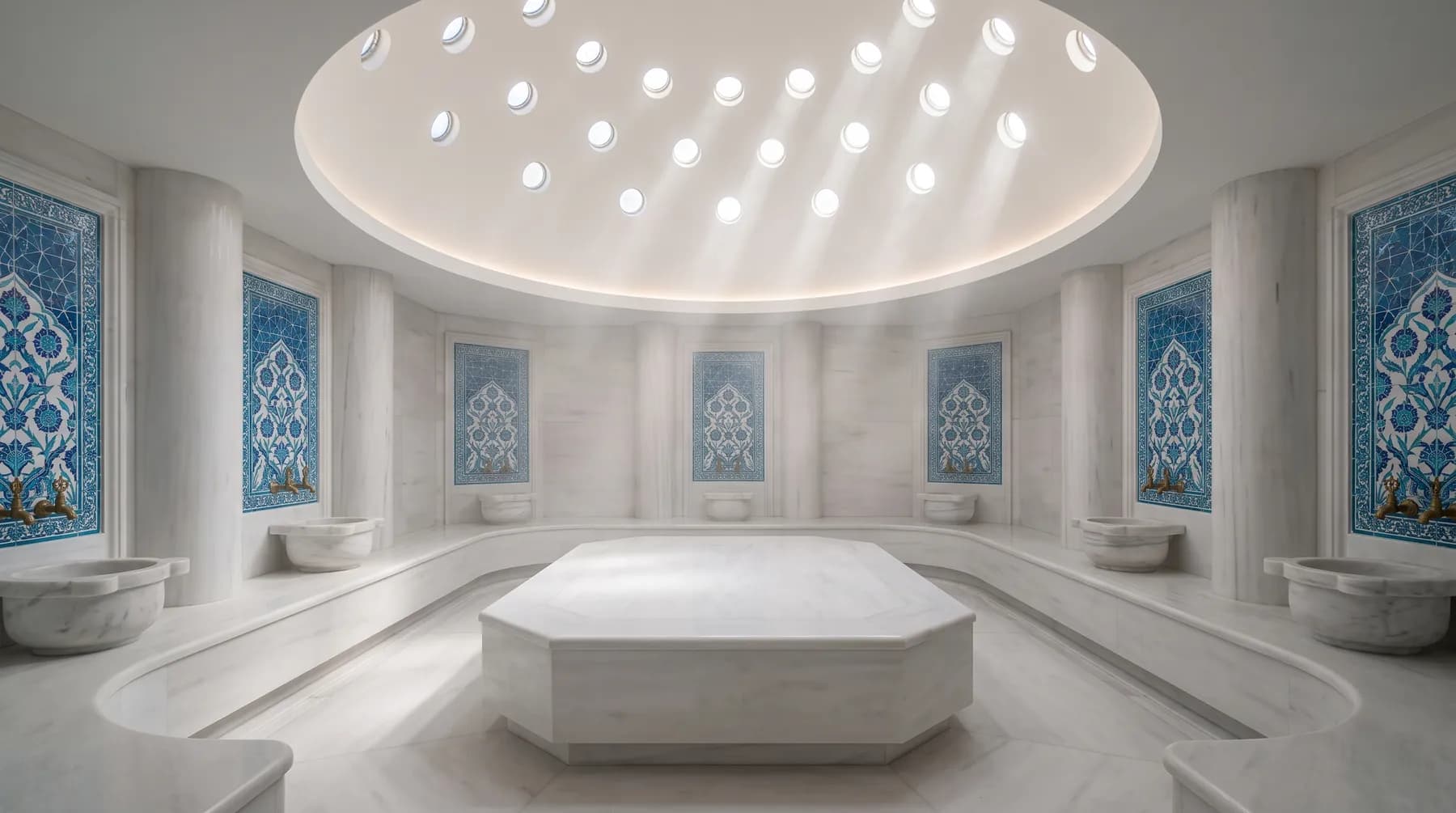
1 projects · 3 photos
Classic domed hammams
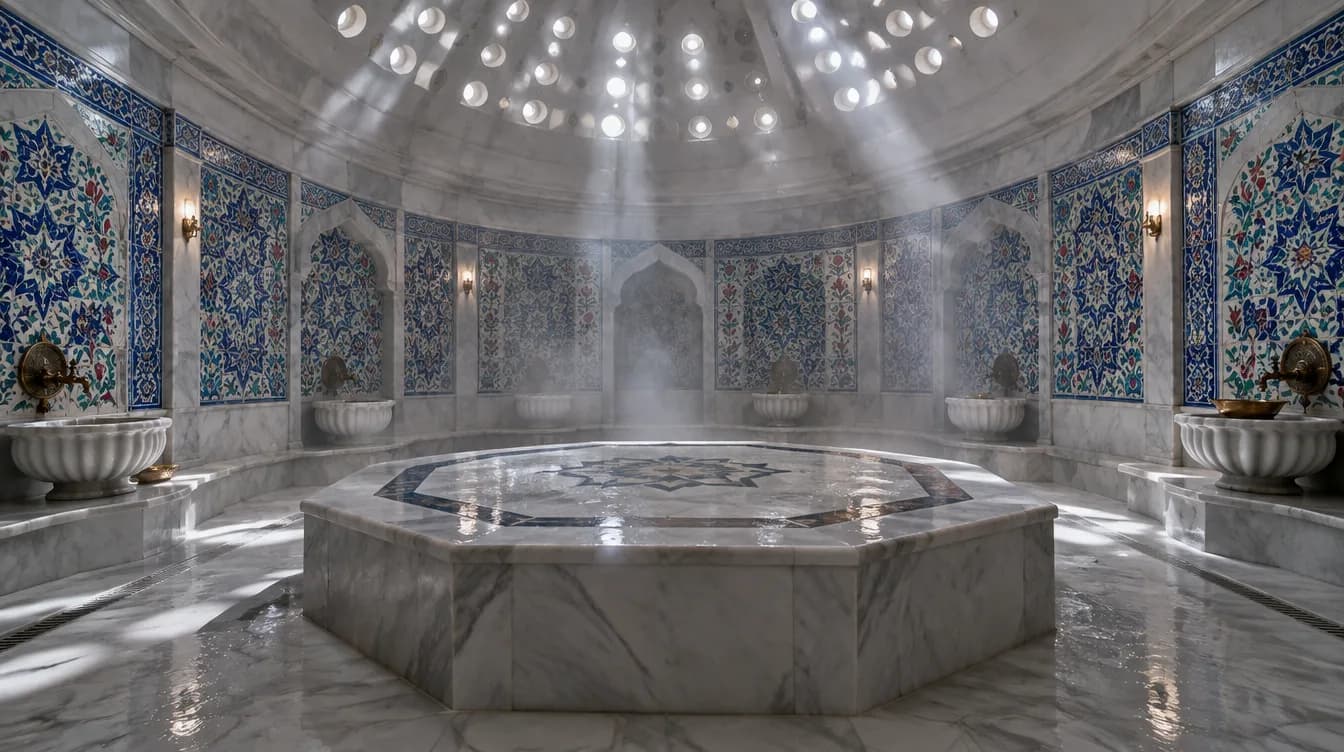
Municipal Hammam · Korkuteli, Antalya 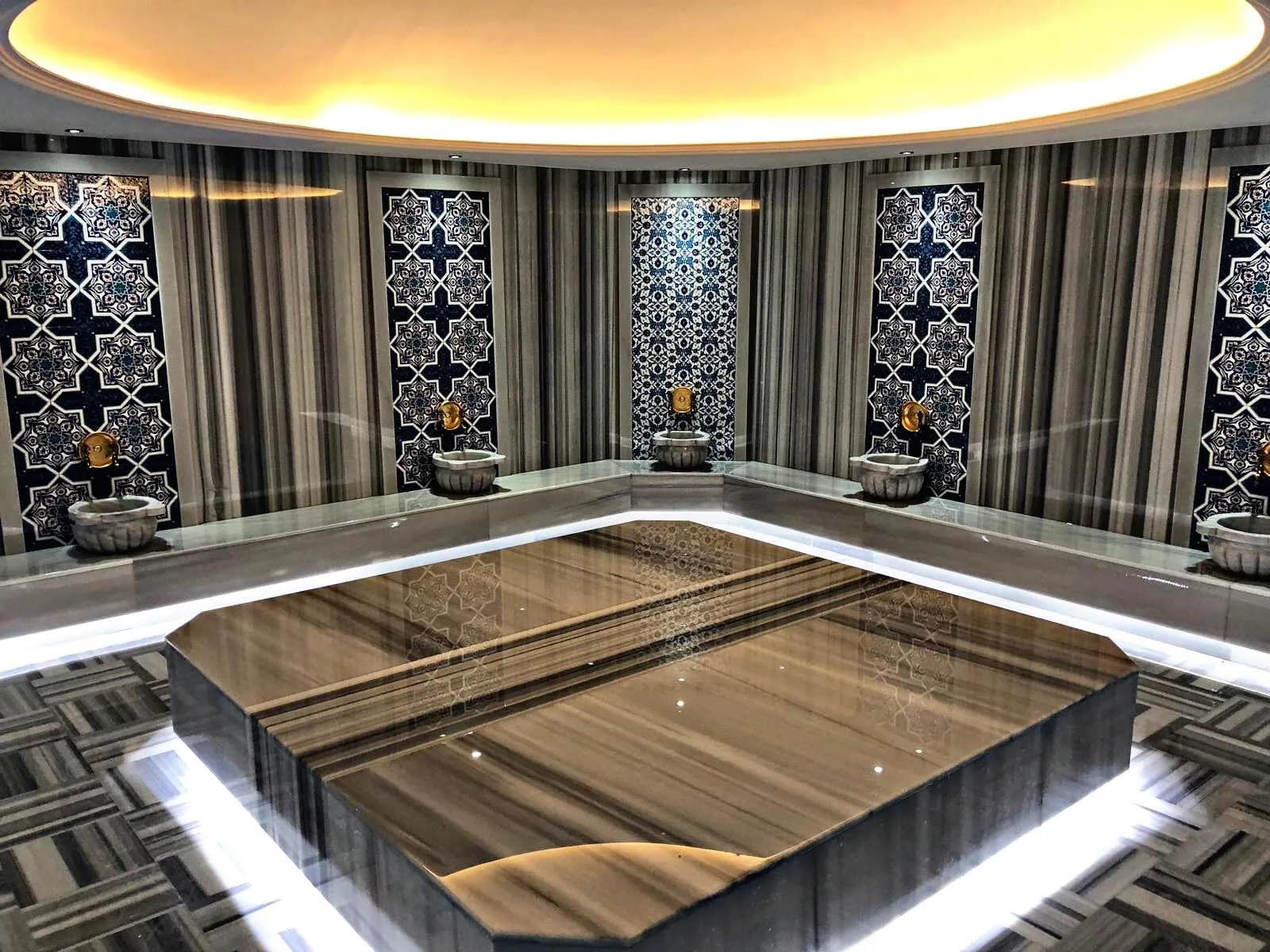
Municipal Hammam · Korkuteli, Antalya 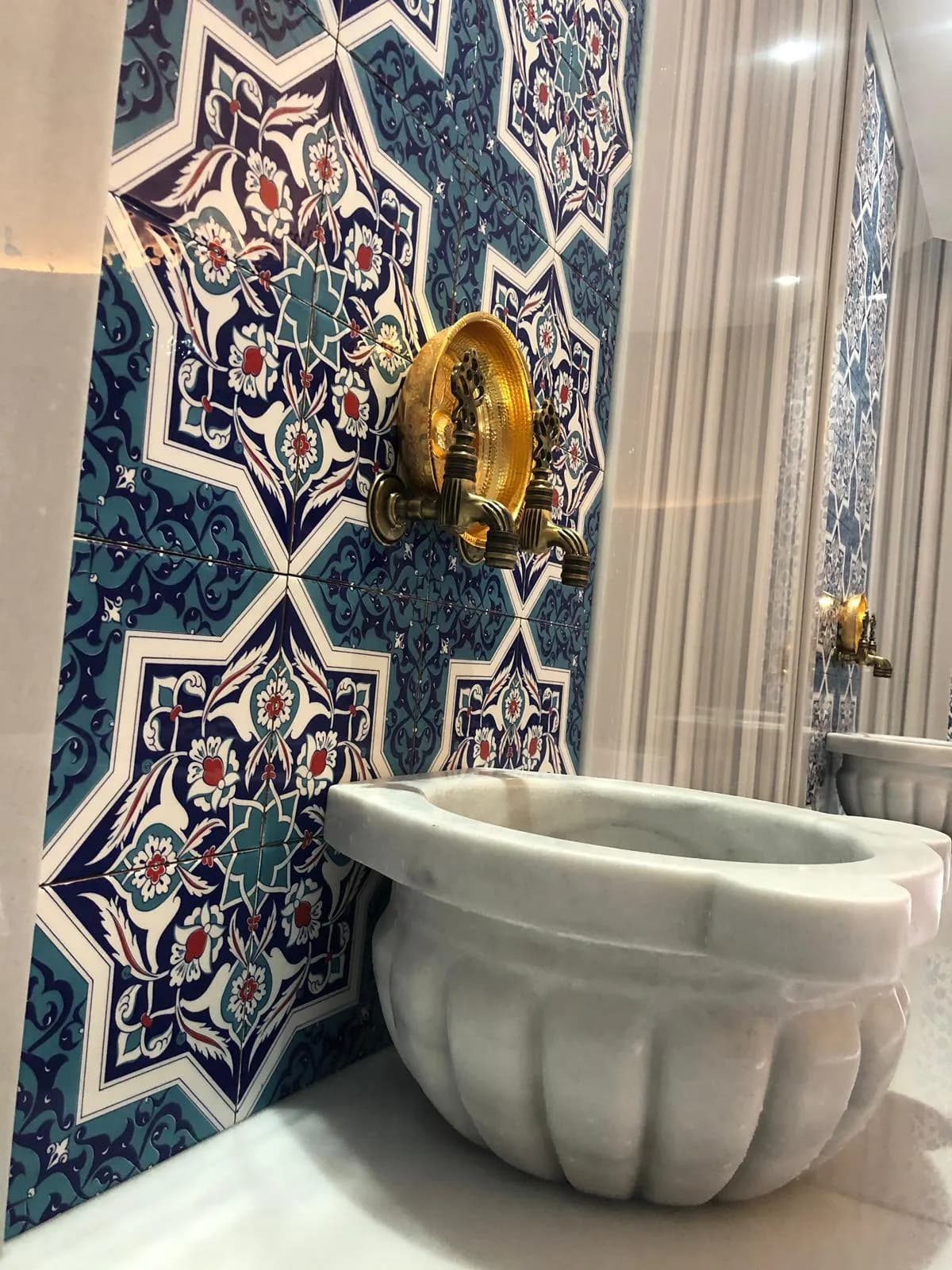
Municipal Hammam · Korkuteli, Antalya
How the dome, the private cells and the navel stone are laid out is explained in Turkish bath architecture.
01Choosing a design
How to choose a hammam design
A Turkish hammam is a warm marble room, not a steam cabin. At its centre is the navel stone (göbek taşı), a marble platform heated from below where you lie and warm up. Along the walls are basins (kurna) with hot and cold taps, and the wash is done with a coarse mitt called a kese. Floor load and moisture at home are covered in our home hammam guide. We ask five questions at the survey:
At home or in a hotel
A hammam in a villa or an apartment is usually one navel stone and one or two basins, where the marble and the craftsmanship carry the design. The modern home hammams at the top of the gallery are at this scale.
See in the gallery: Modern marble home hammamsNumber of people at once
In a hotel or spa hammam, the seating around the navel stone, the number of basins and any private cells follow the busiest hour. Heavy use puts more weight on heating and waterproofing.
See in the gallery: Hotel and spa hammamsWhat goes next to the hammam
If a sauna or steam room is wanted too, drainage, ventilation and electrics are drawn together from the start. Adding them later costs more and rarely works as well.
See in the gallery: Sauna alongside the hammamArchitectural language
A dome, skylights and an octagonal navel stone are the language of the classic hammam and need a high ceiling and a larger room. A modern hammam with a flat ceiling fits a smaller space.
See in the gallery: Classic domed hammamsHeat source
The navel stone is heated from below either by hot water pipes or by electric elements. Where the home has a hot water supply, pipes are the usual choice; in a small room that is hard to plumb, an electric system is considered.
02Volume and ceiling
Volume, dome and ceiling height
There is no single floor area rule for a hammam. The room is sized by the navel stone, the space left to walk around it, the number of basins and any private cells. The stone should be wide enough to lie on comfortably without blocking the way round; an oversized stone makes walking awkward and adds heating load for nothing.
The real question at the ceiling is condensation. Steam cools on the ceiling and turns back into water, and the ceiling shape has to guide that water down the walls instead of letting it drip on the people below. The curve of a dome does this job, which is why the dome in a classic hammam is function, not decoration. A modern hammam with a flat ceiling solves it with a slight slope, and in an apartment a vapour barrier protects the rooms around.
03Materials
Marble, heated platform and basin
Three elements make a hammam recognisable, and you will see all three in the photos above. Stone choice is covered in choosing hammam marble and the platform in our navel stone guide.
- Marble
- Walls and floors are clad in marble chosen for low porosity and good heat retention. Veining is a matter of taste; porosity decides how the stone ages in wet heat.
- Navel stone
- The heated marble platform at the centre. The heating runs beneath it so the whole surface warms evenly.
- Basin (kurna)
- Usually carved from a single block of marble, with hot and cold taps above it. Its position sets how water drains across the floor.
- Equipment
- Heating, steam, ventilation and lighting sit out of sight and decide how the hammam feels in use.
04Care
How to look after a hammam
A hammam's life starts with the workmanship on day one and is extended by how it is used. Marble's enemies are acids and harsh cleaners: lemon, vinegar and acidic descalers dull the surface. Letting the room dry out between uses prevents mould and odour.
- After each use: rinse the navel stone and the floor, run the ventilation and let the room dry.
- Weekly: clean with a pH-neutral product made for marble and a soft cloth, and check the joints and the area around the drains.
- Periodically: apply a stone protector and have the joints and the line where stone meets floor checked. A leak found early protects the heating underneath.
05Price
What drives the cost
Hammam prices vary widely because each one is built to its room. These are the items that move the total most.
Type of marble. Rare stone that is hard to work raises both the material and the labour cost.
Room size and ceiling. A dome costs more than a flat ceiling, and a larger volume needs more heating.
Heating. The system under the navel stone and the floor, and a steam generator where one is used.
Waterproofing. A sealed, multi-layer membrane on the floor and on the walls up to the ceiling.
Ventilation. A quiet, moisture-resistant extract that removes vapour without draughts.
The building. In an apartment, the structural check and any strengthening of the floor slab.
Each item is explained in our hammam cost guide. For a price on your own room, send us a plan or a few photos through the quote form.
Get a quoteFrequently Asked Questions
About hammam designs: short answers.
Çilek Havuz · Turkish hammam designs
Pool & Wellness Engineering
- Response Time
- Same day
- Channels
- Phone · Email · WhatsApp
If the answer you are looking for is not here, send your question directly to us and our team will reply as soon as possible.
Book a free site surveyThere is no fixed minimum. A room with space for the heated platform, one basin and a door that seals well is enough for one or two people. The size follows how many will use it at the same time and whether it sits next to a sauna or a shower. We size it after seeing the room.
Çilek Havuz · Turkish hammam designs
Hot water pipes or electric elements run beneath the navel stone, and often under the floor as well. The marble warms evenly and holds the heat. Steam, where it is used, comes from a separate generator, and a quiet extract fan removes the moisture after use.
Çilek Havuz · Turkish hammam designs
A steam room is a sealed room filled with steam from a generator, where you sit. A hammam is warmed through the marble floor and the navel stone; you lie on the warm stone, then wash at the basin with a kese. It is a bathing ritual rather than a steam session.
Çilek Havuz · Turkish hammam designs
Yes, if the floor slab can carry the marble, the screed and the water. A structural engineer checks the slab first. The room is then built as a sealed waterproof tank, with a vapour barrier towards the neighbouring walls and its own ventilation, so moisture does not reach the rooms around it.
Çilek Havuz · Turkish hammam designs
The marble and how much of the room it covers, the room size and ceiling shape set the price. The heating under the navel stone, waterproofing, ventilation and, in an apartment, any structural work also affect it. We price each item separately so you can see where the budget goes and where it can be adjusted.
Çilek Havuz · Turkish hammam designs
06Guides
Guides for planning a hammam
- Home Hammam: A Guide to Building a Turkish Bath in Your Villa or Apartment
- Choosing Hammam Marble: Veining, Porosity, Heat Retention
- Göbek Taşı (Heated Stone): Selection, Heating System and Care
- Turkish Bath Cost in 2026: Marble, Heating and Labor Broken Down Item by Item
- Turkish Bath Architecture: From Tradition to Modern
- Hotel and Commercial Turkish Bath: Solutions for Heavy Use
Project gallery