

01Pool Equipment
Pool Mechanical Equipment
Circulation pumps, filters, valves and automation — the mechanical infrastructure that forms the heart of the pool.
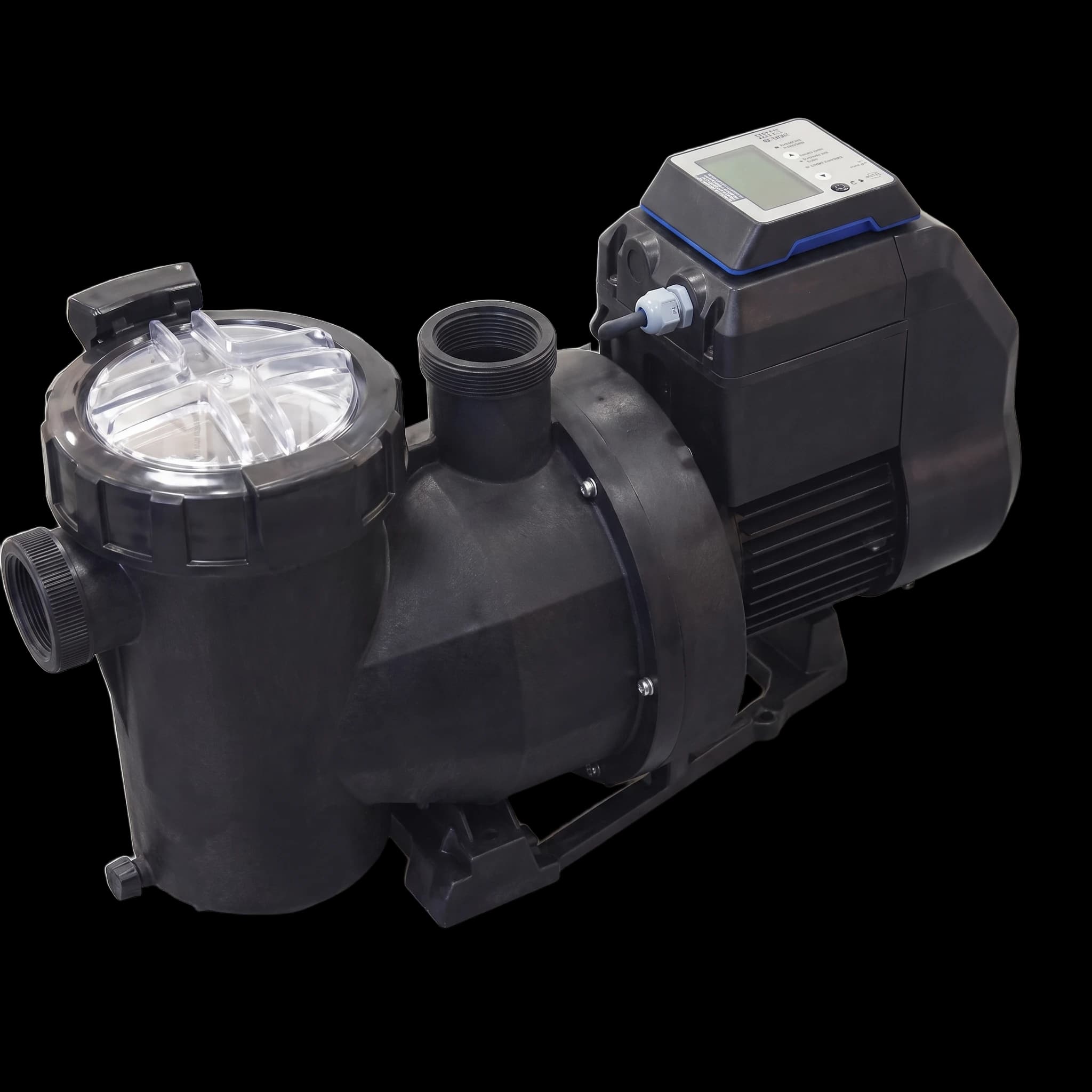
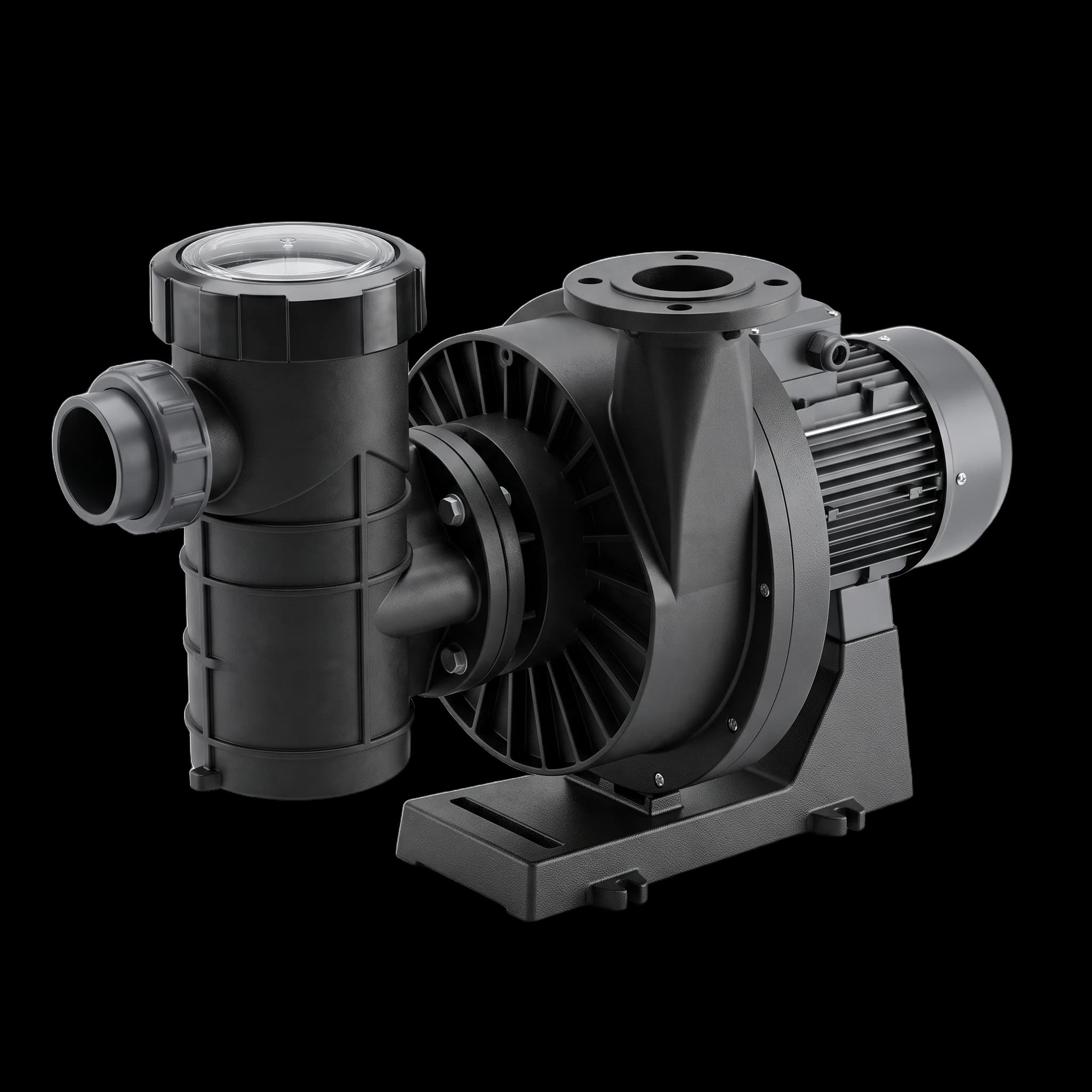
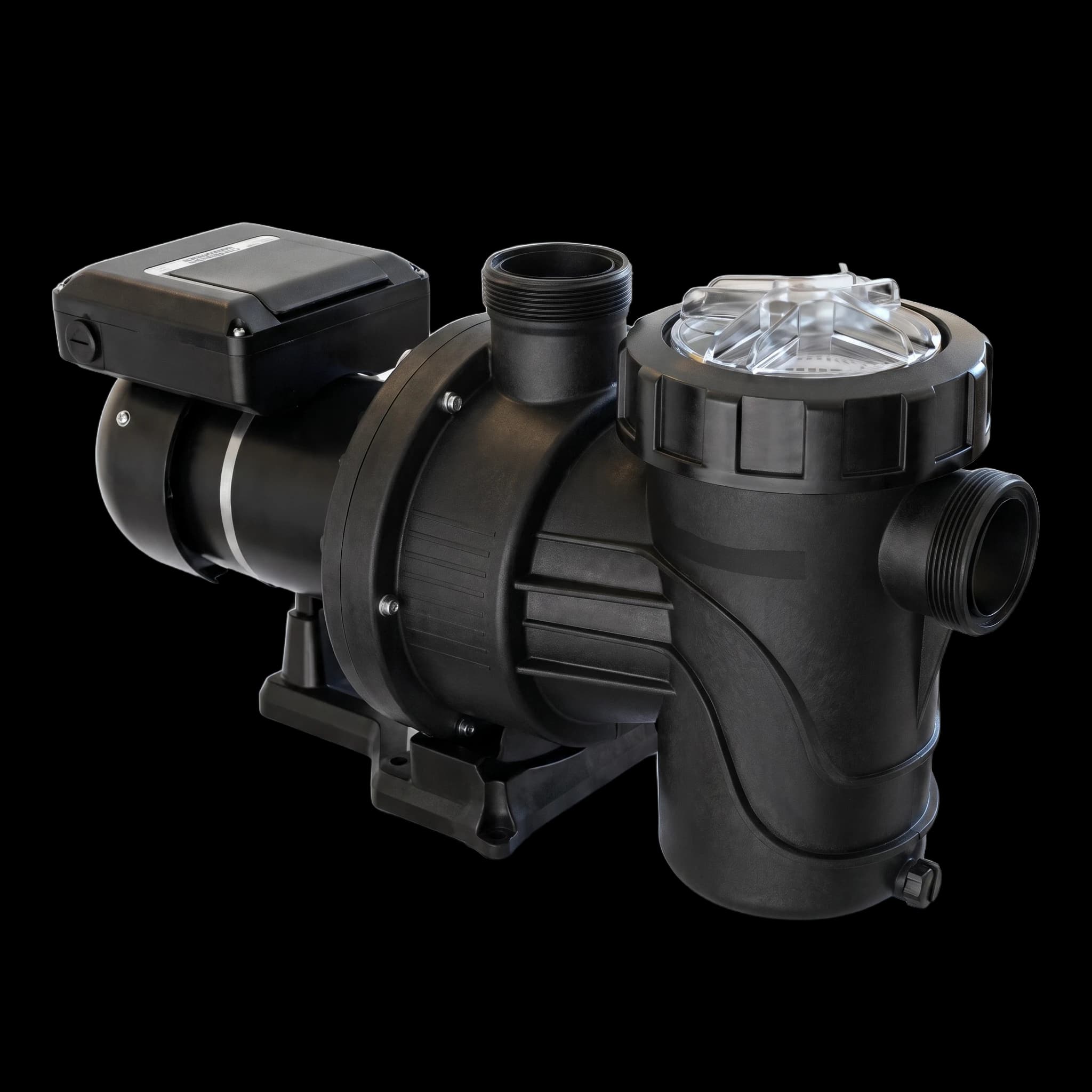

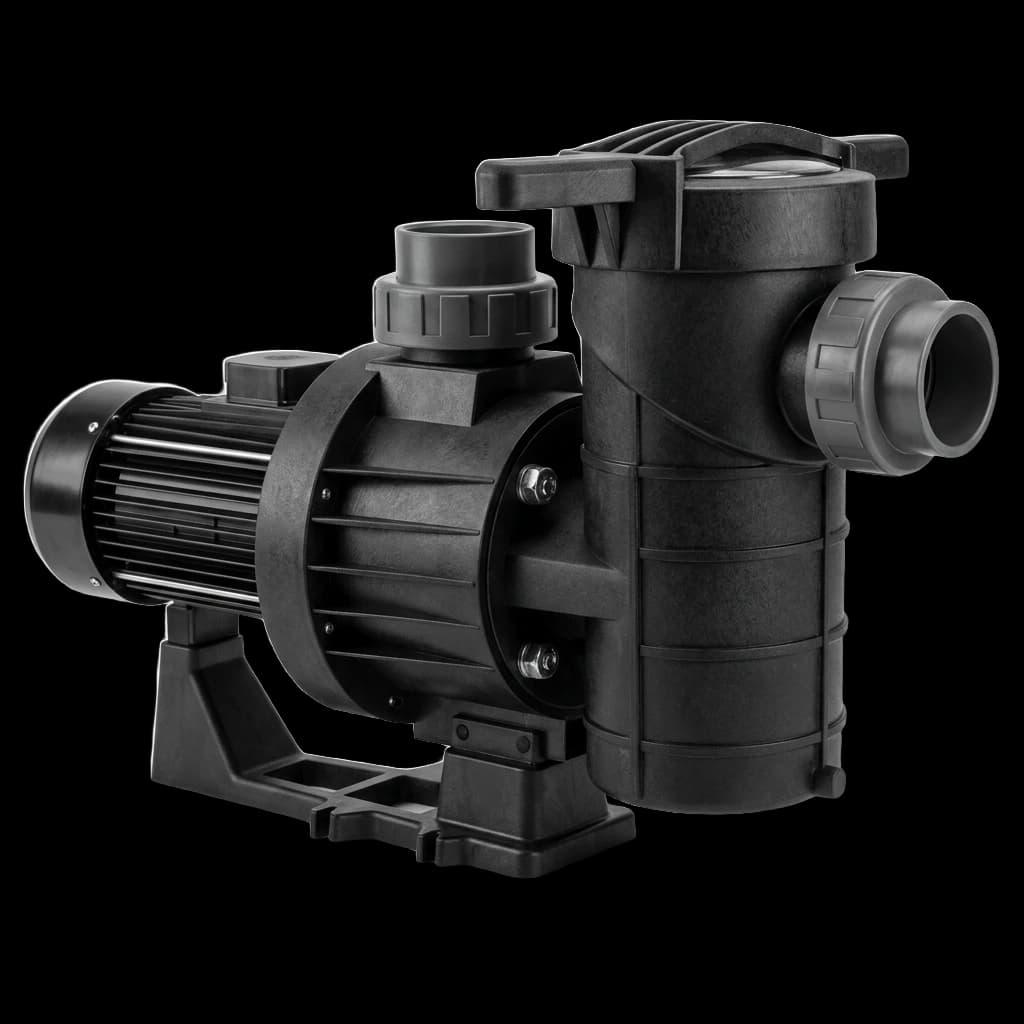

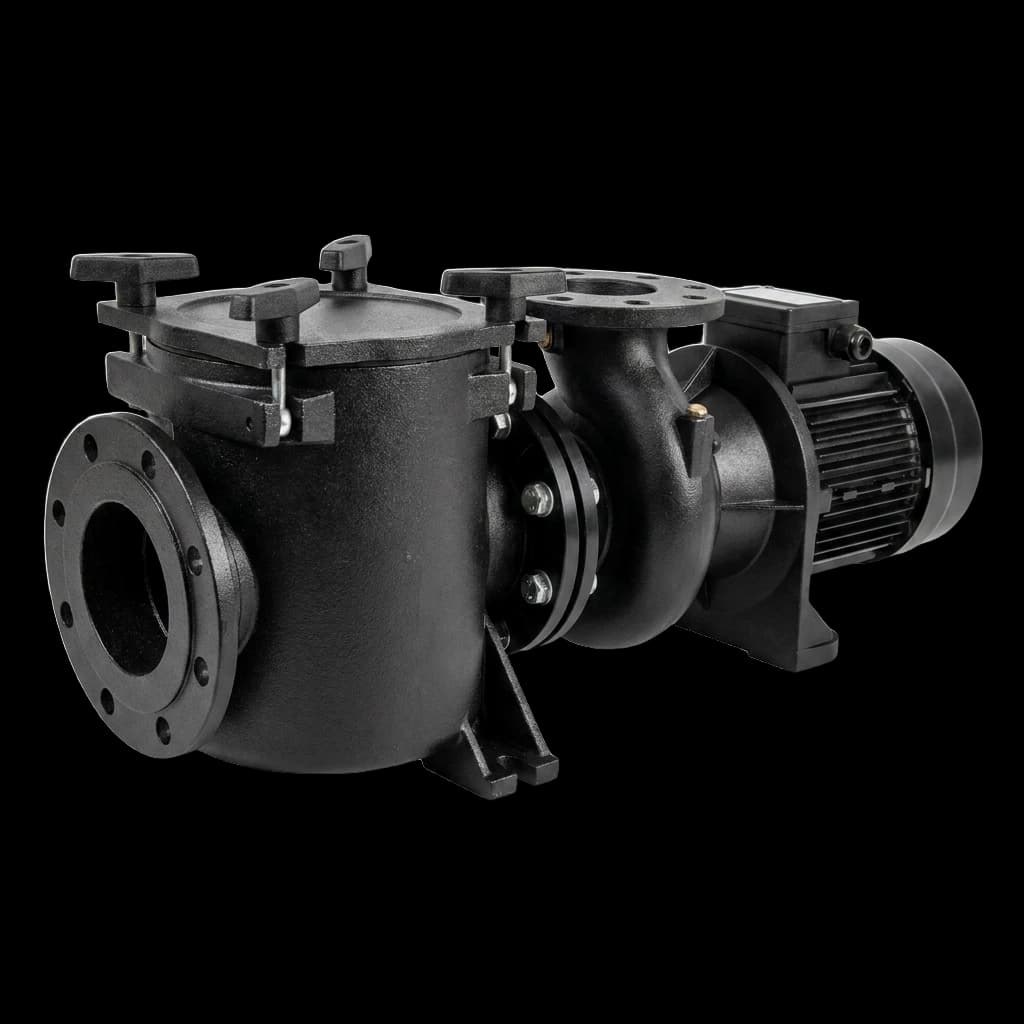
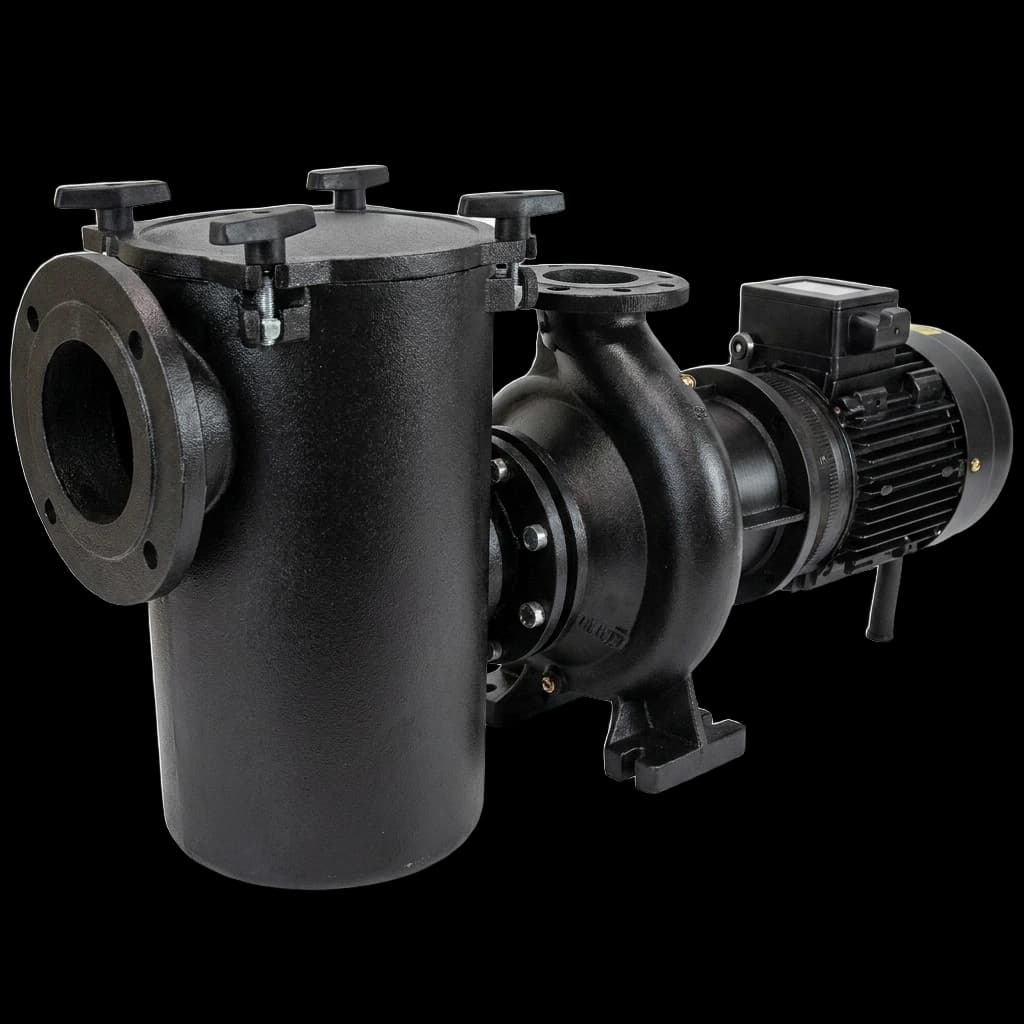
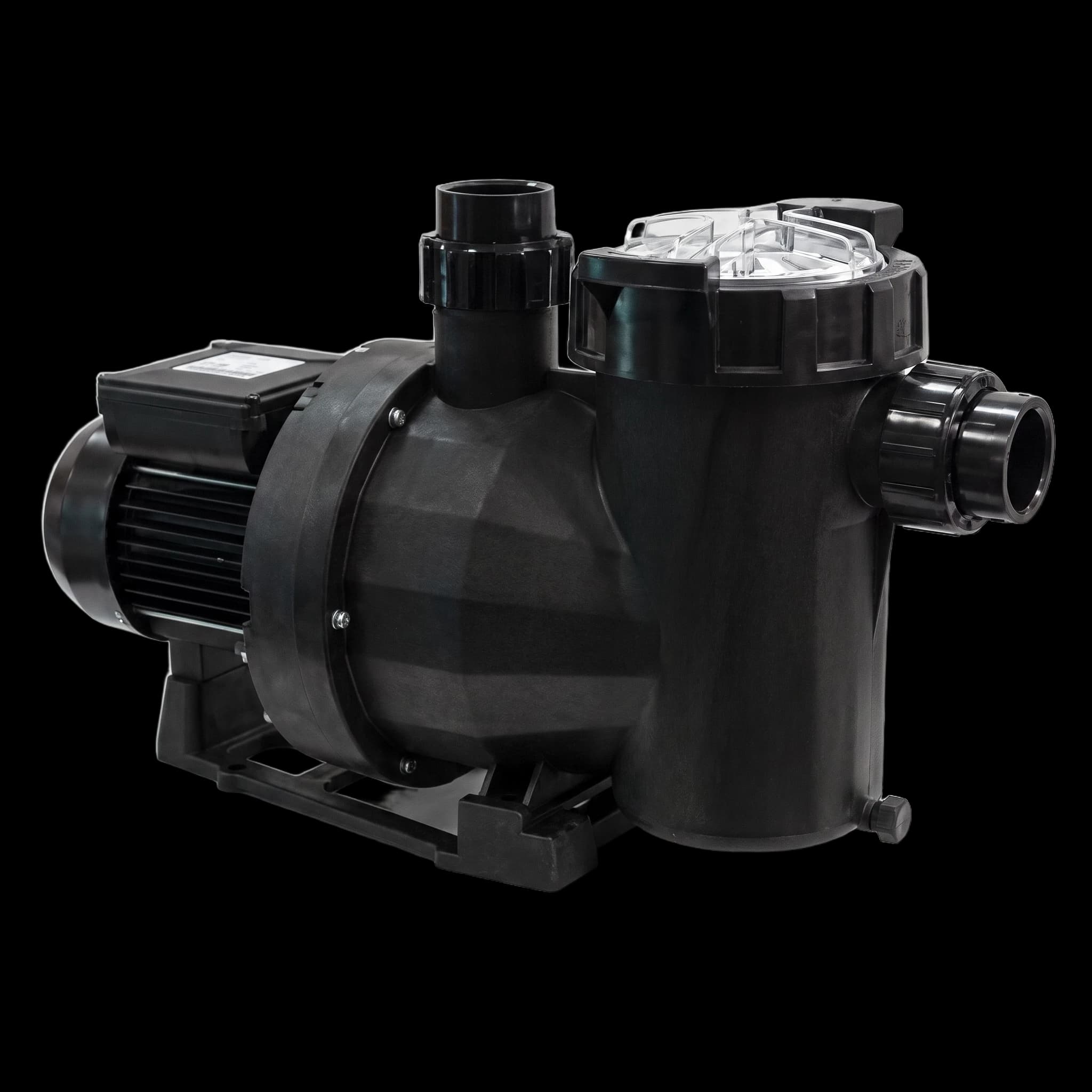
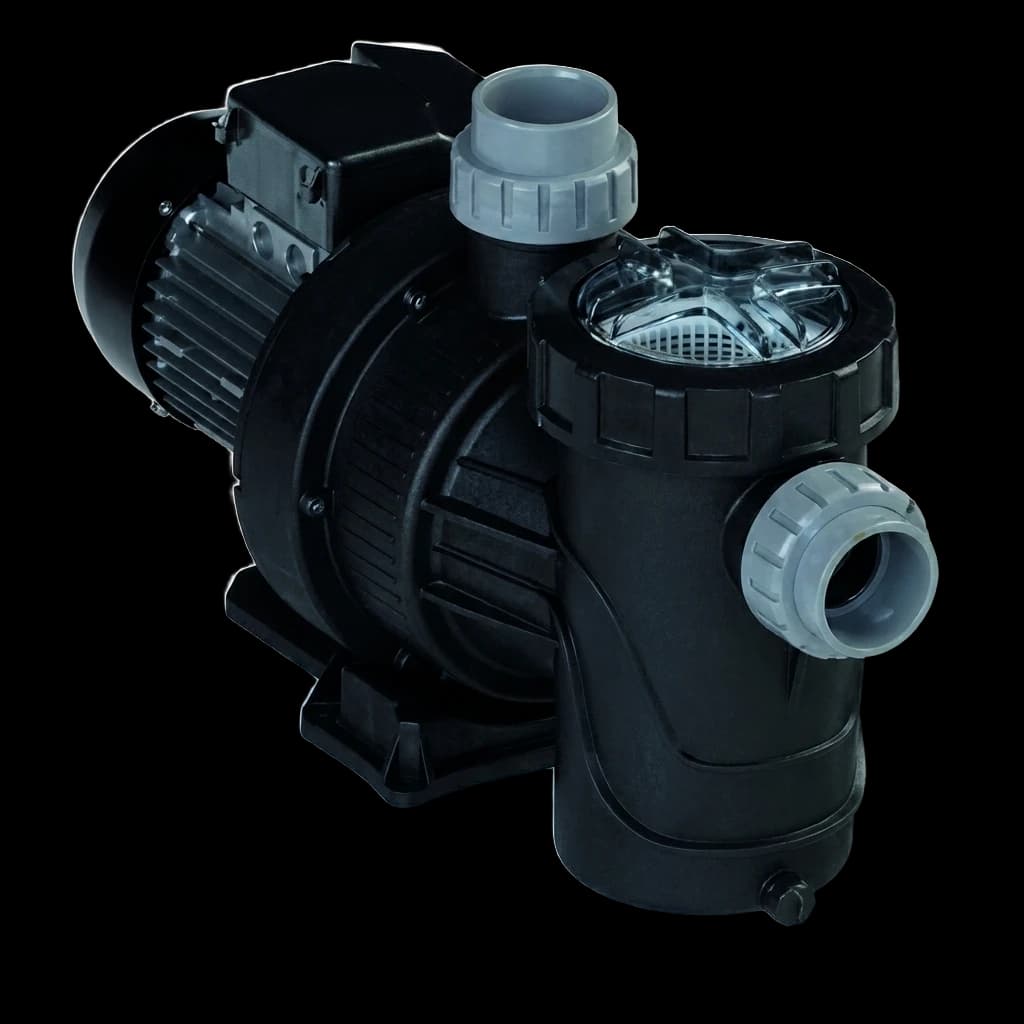





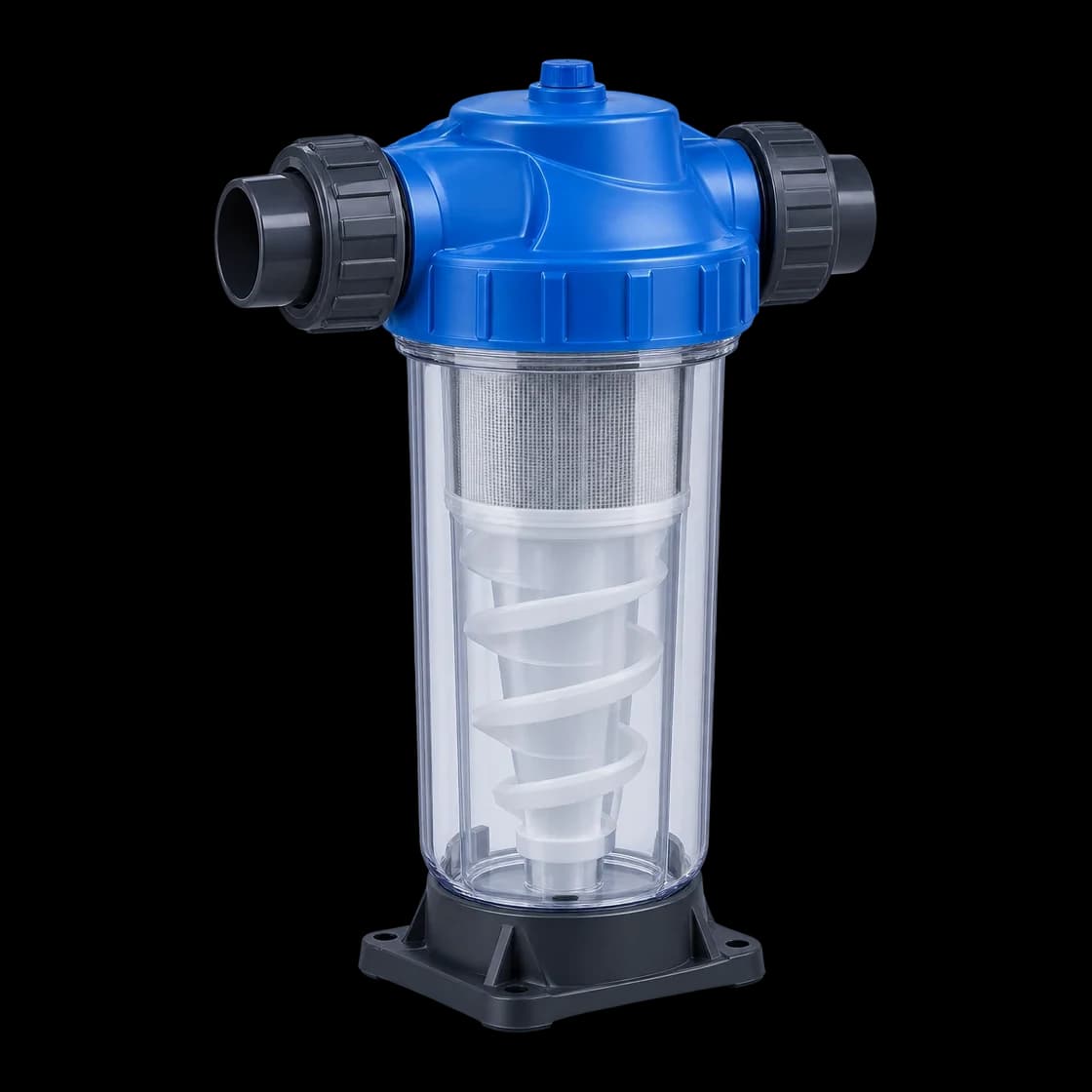
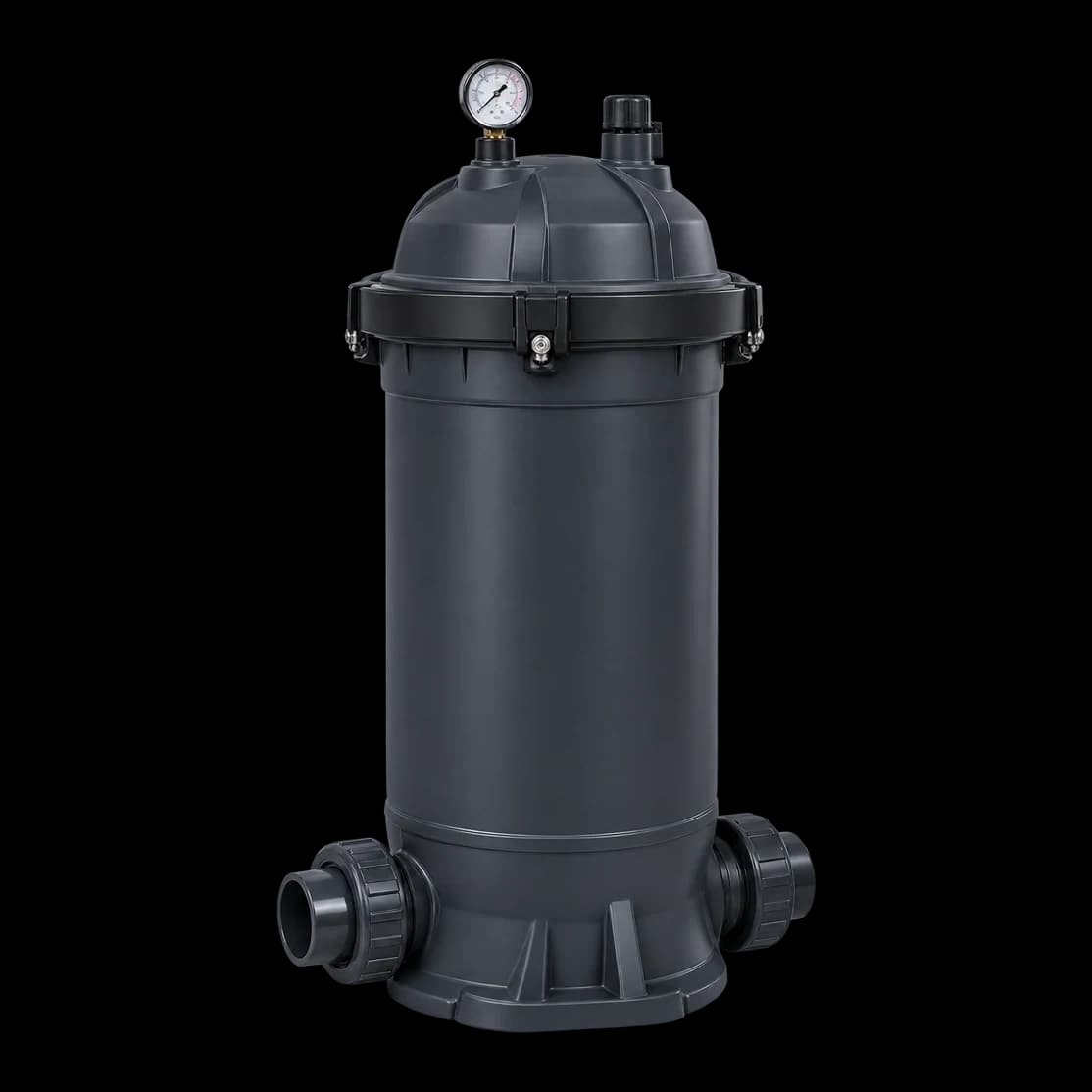
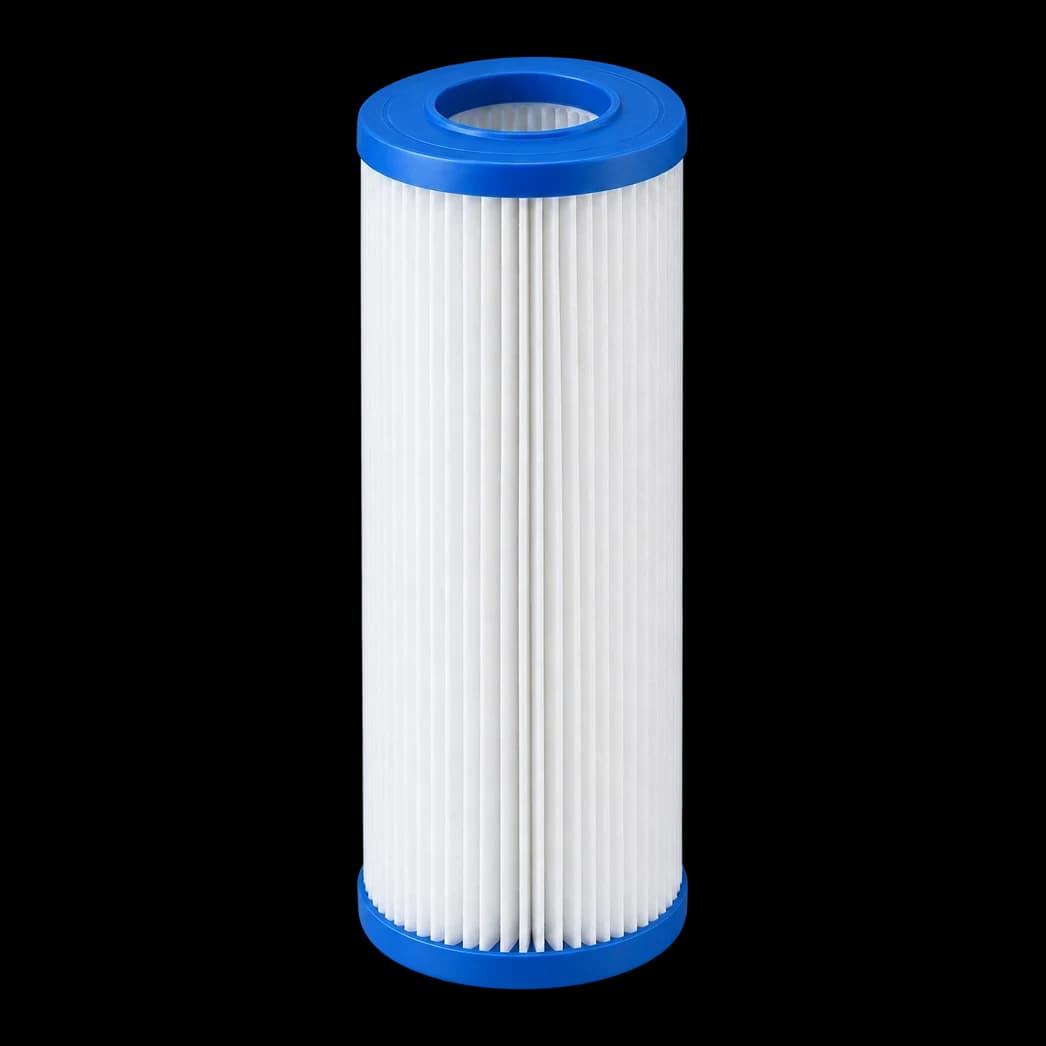

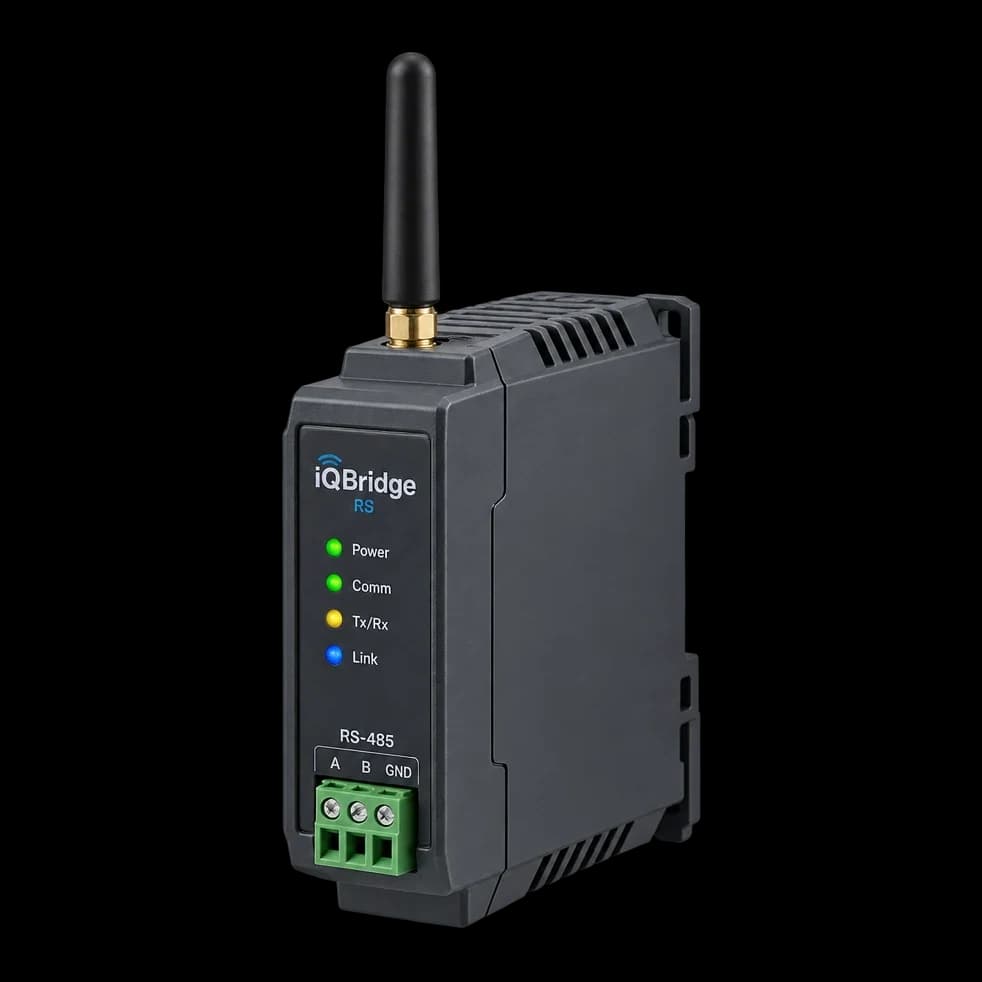
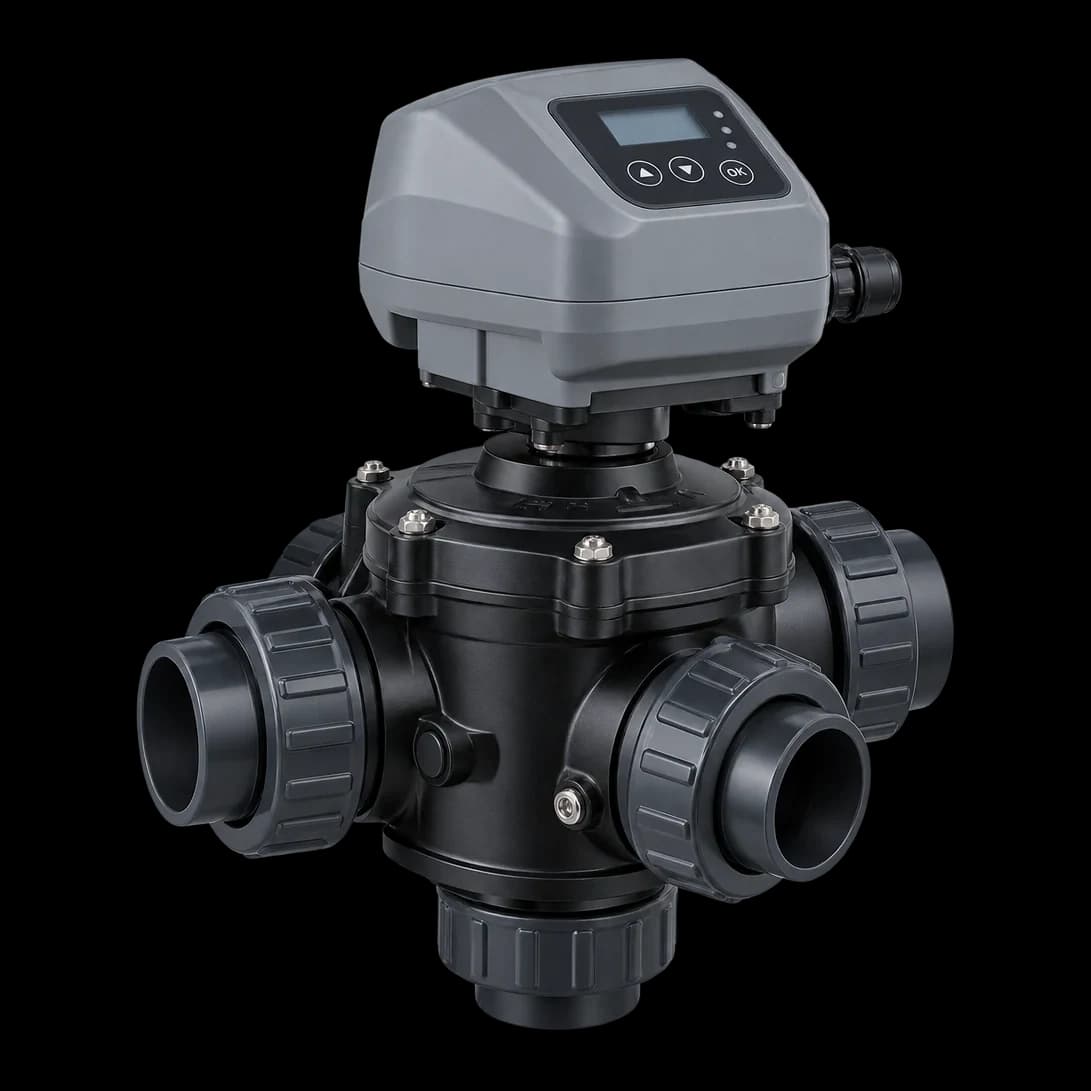
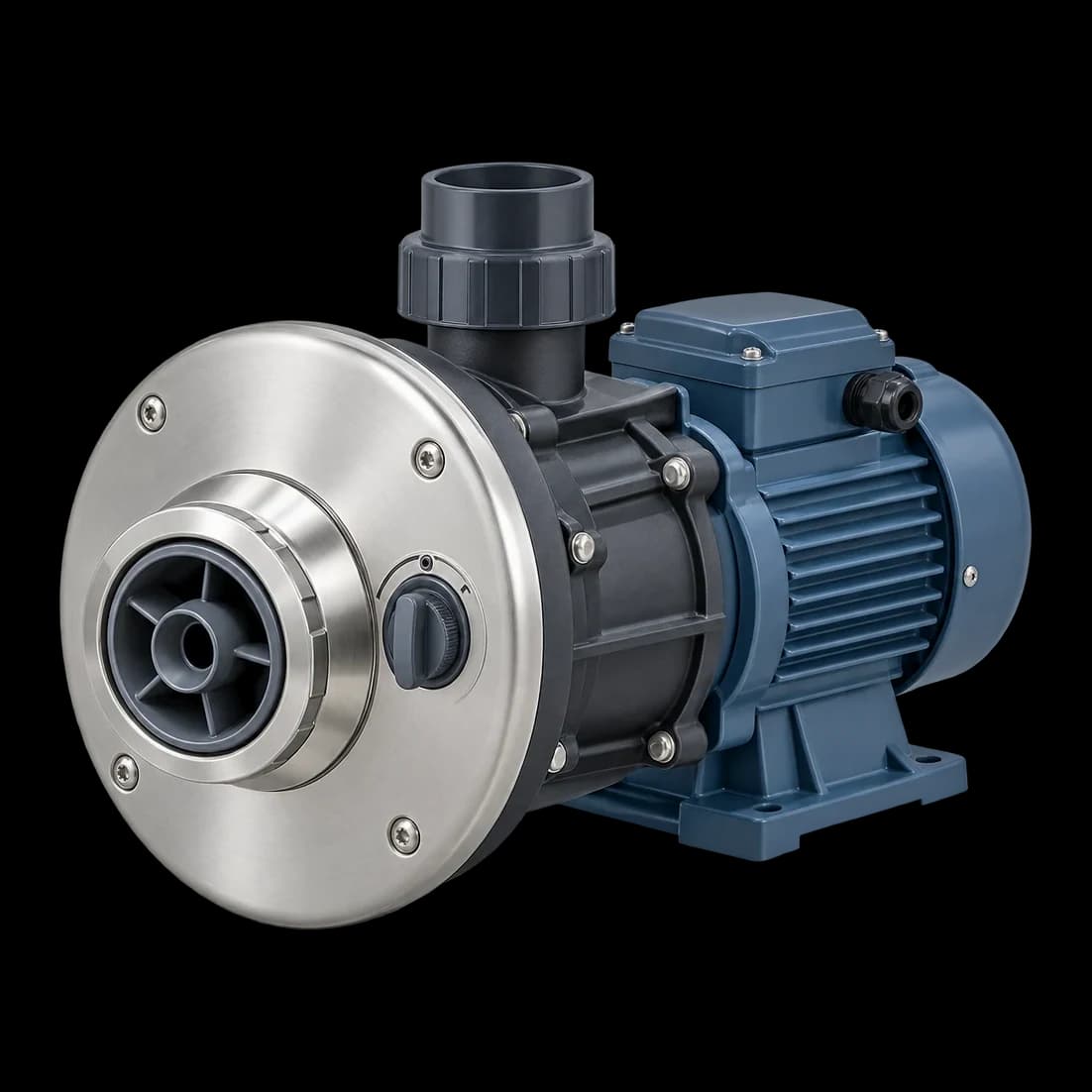
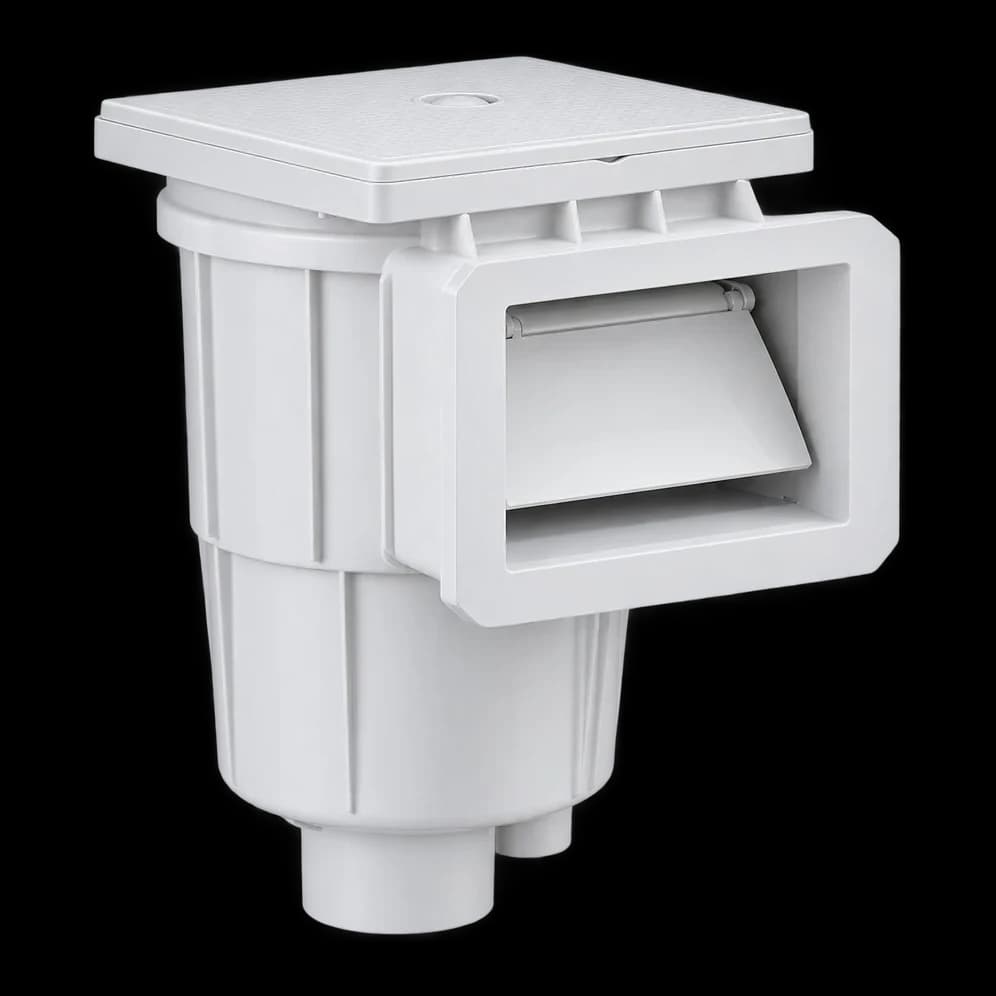
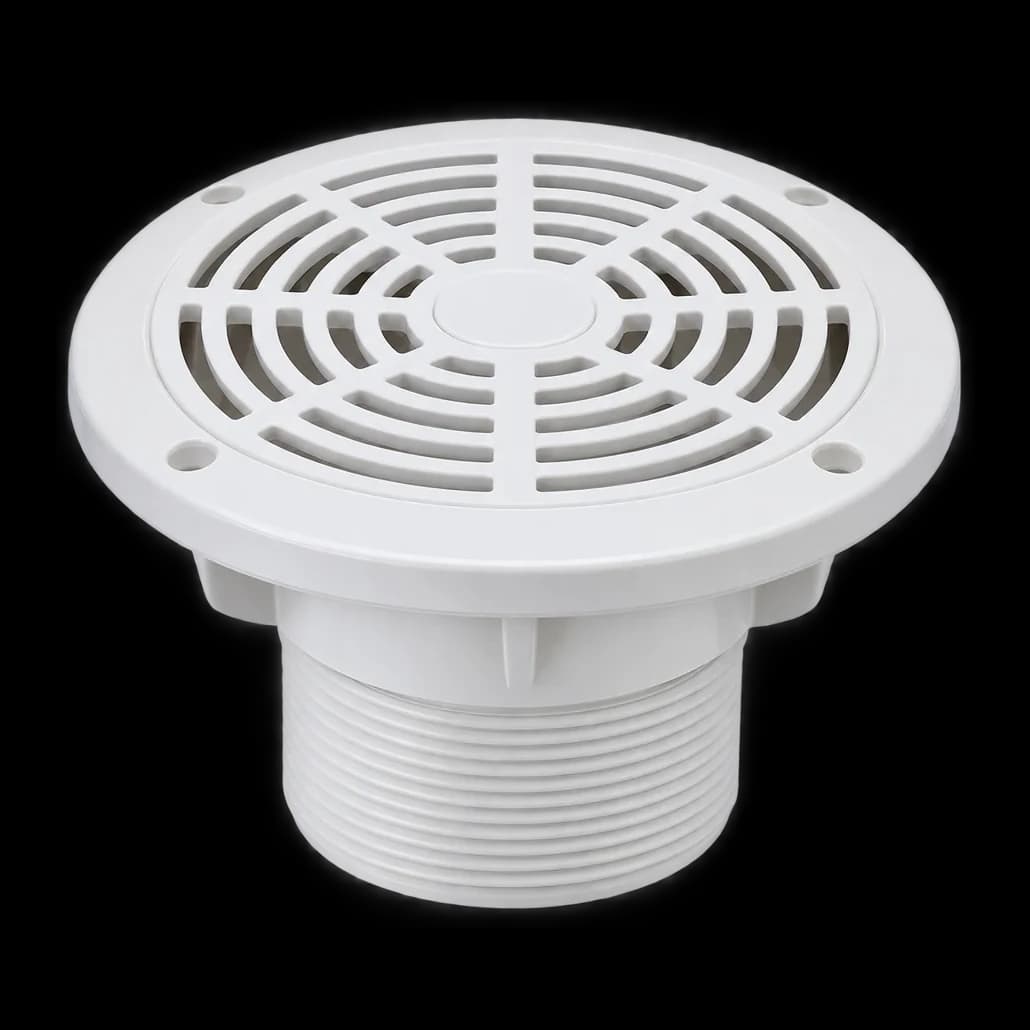
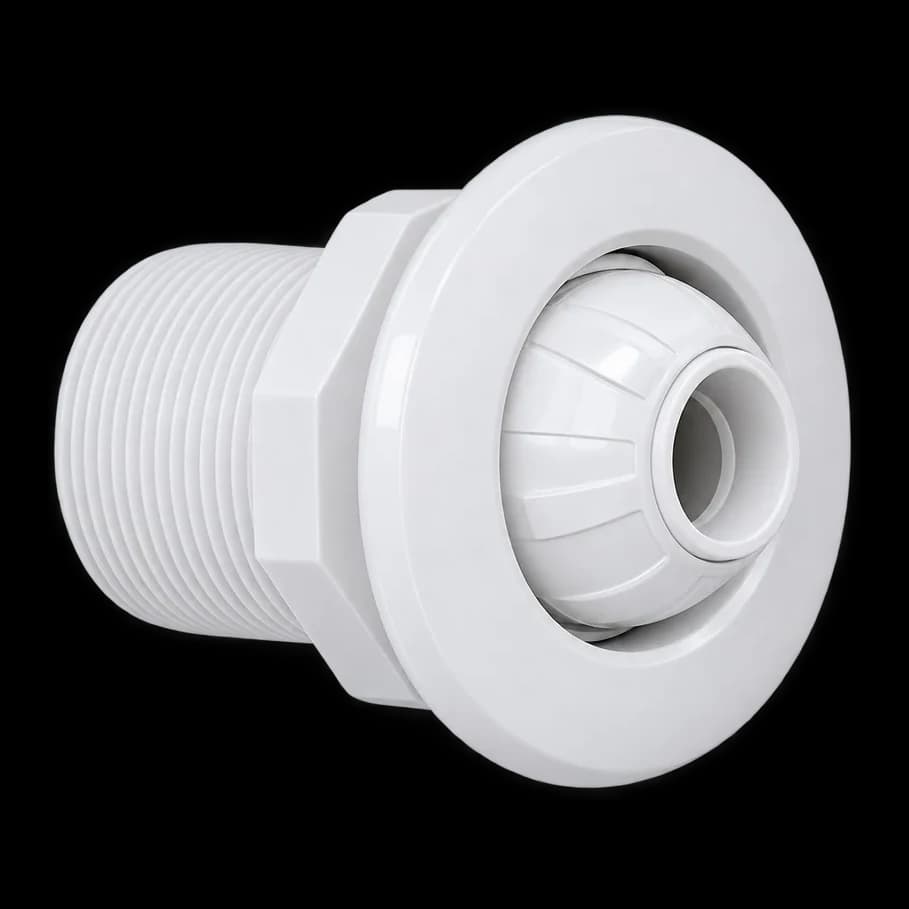
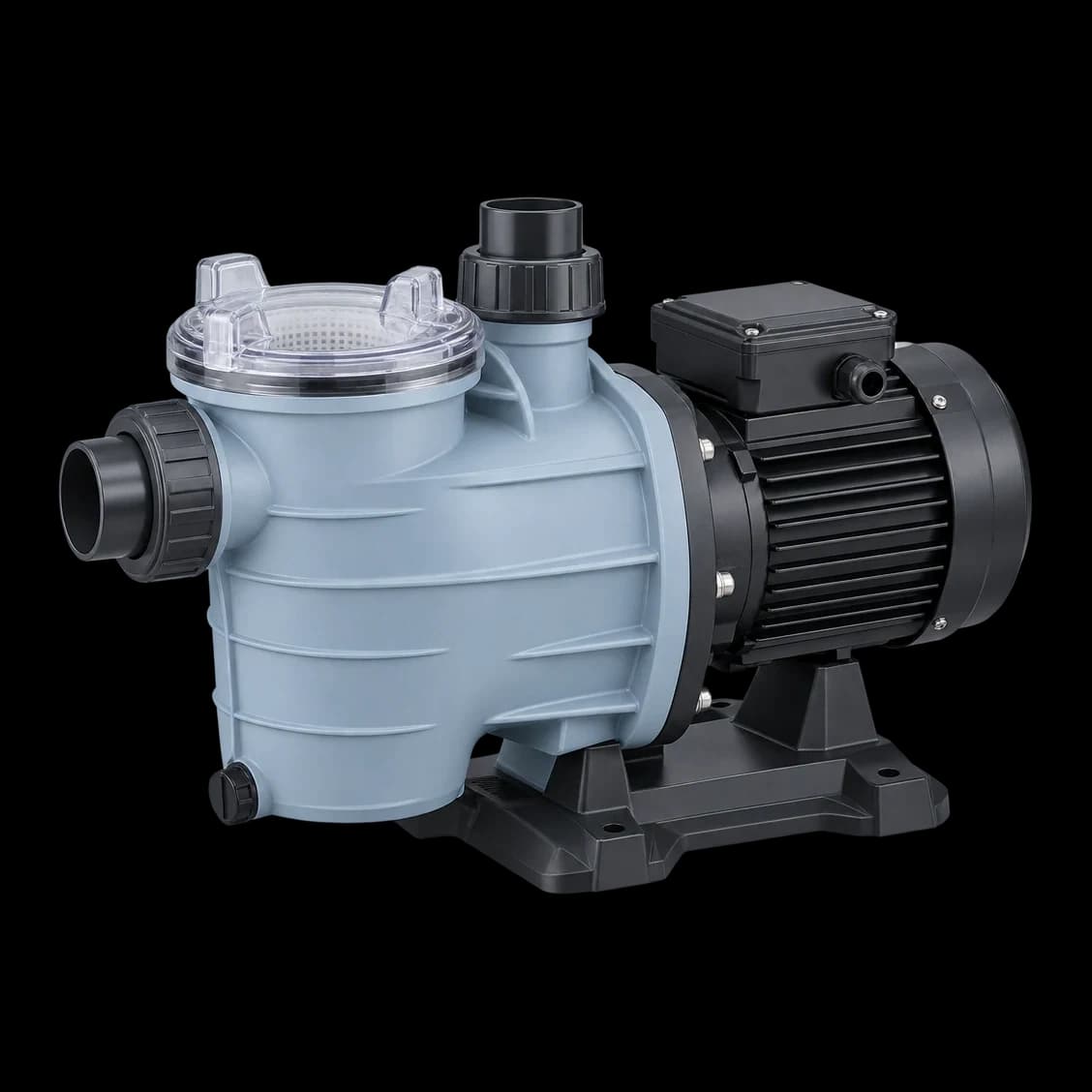
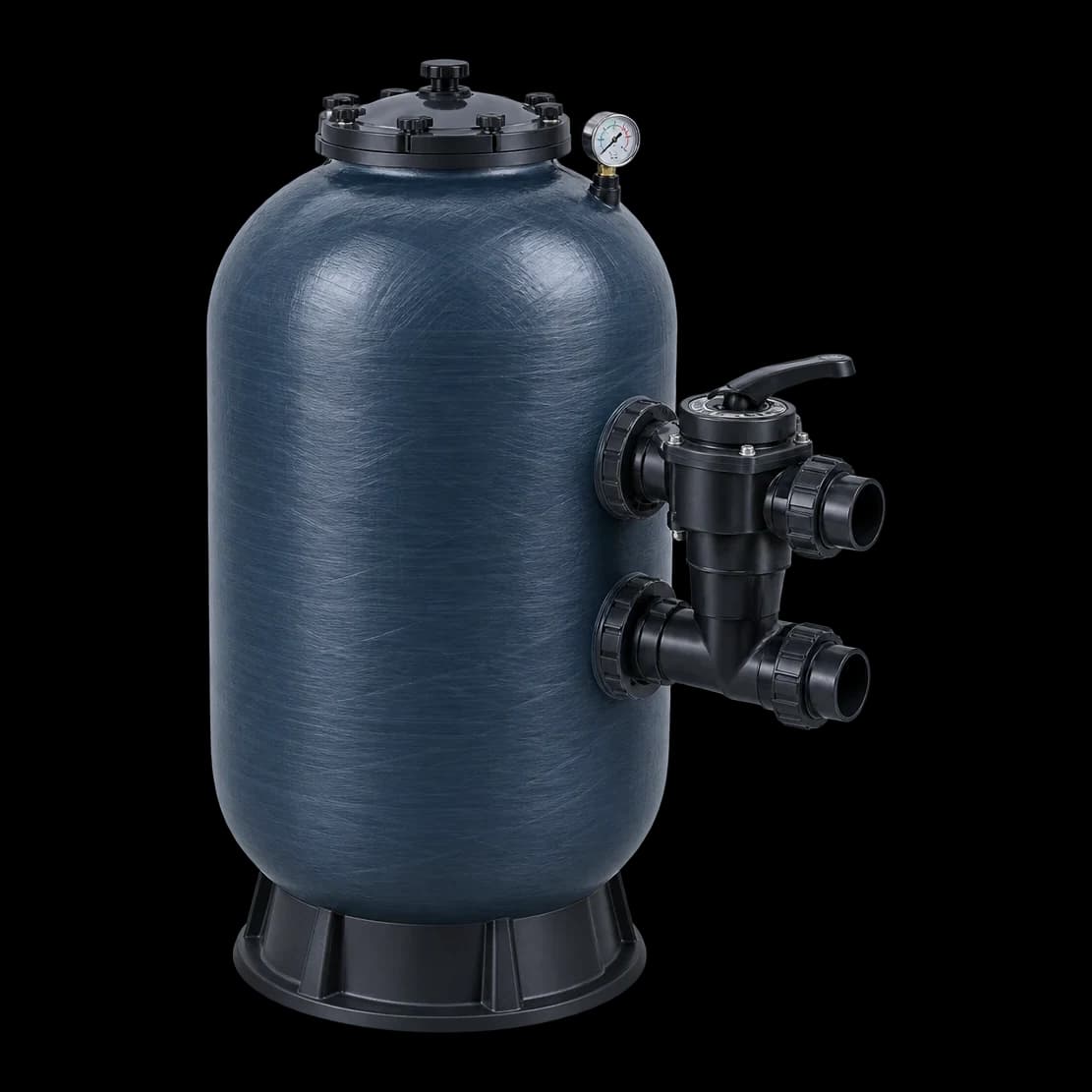
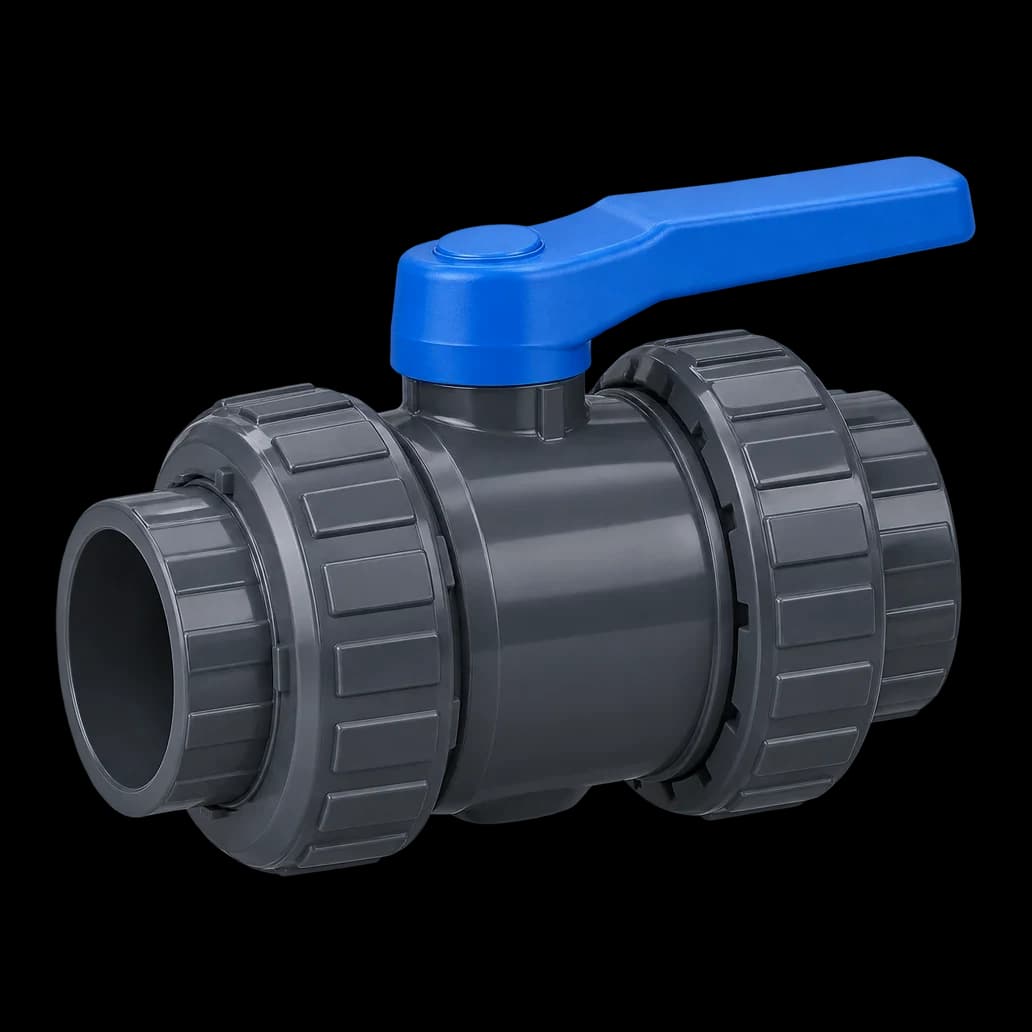
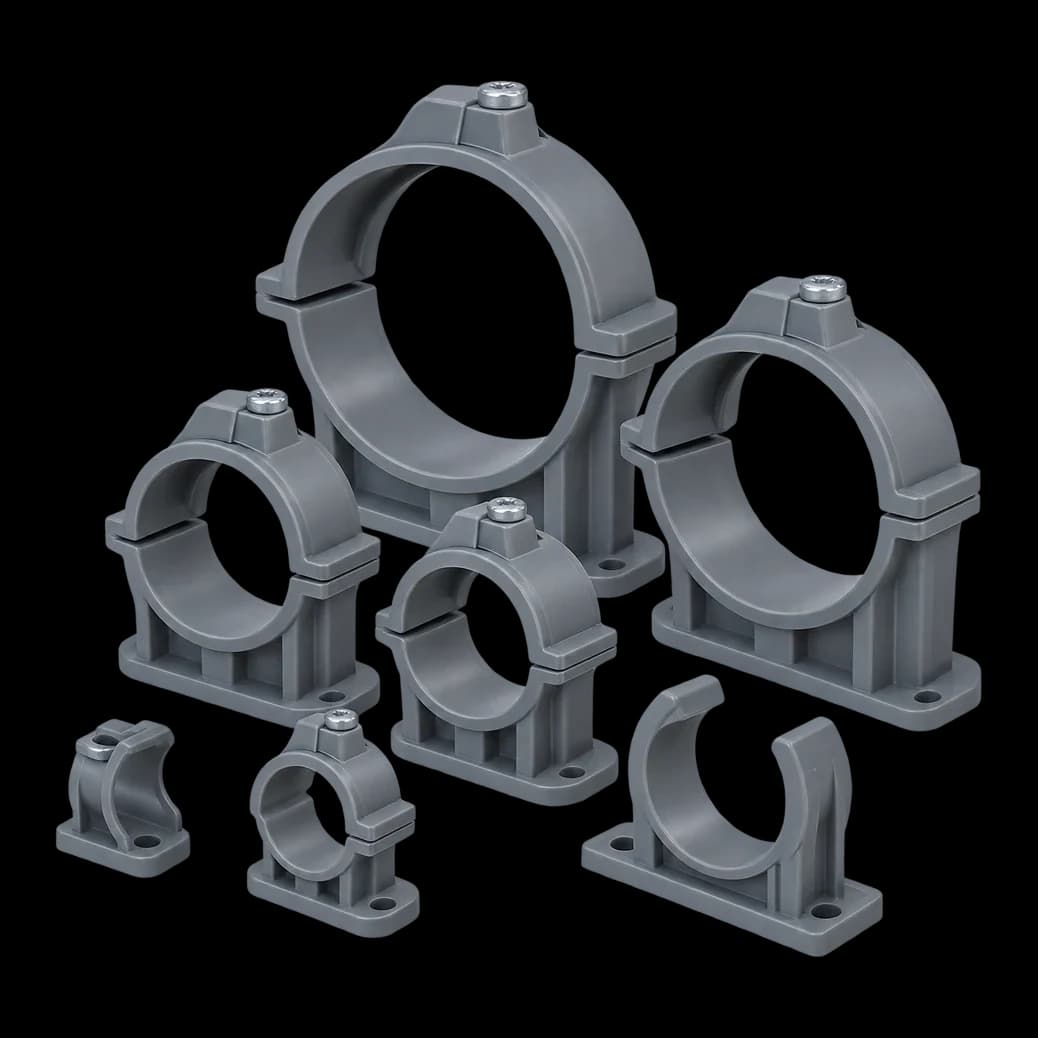
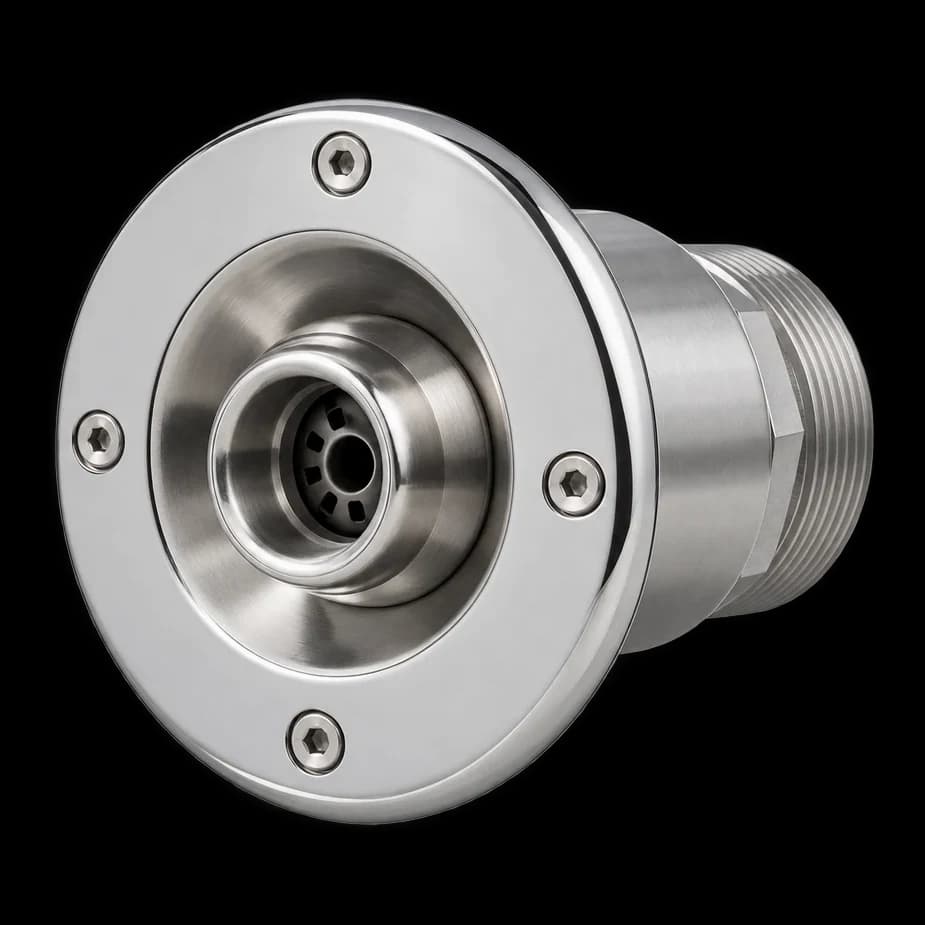
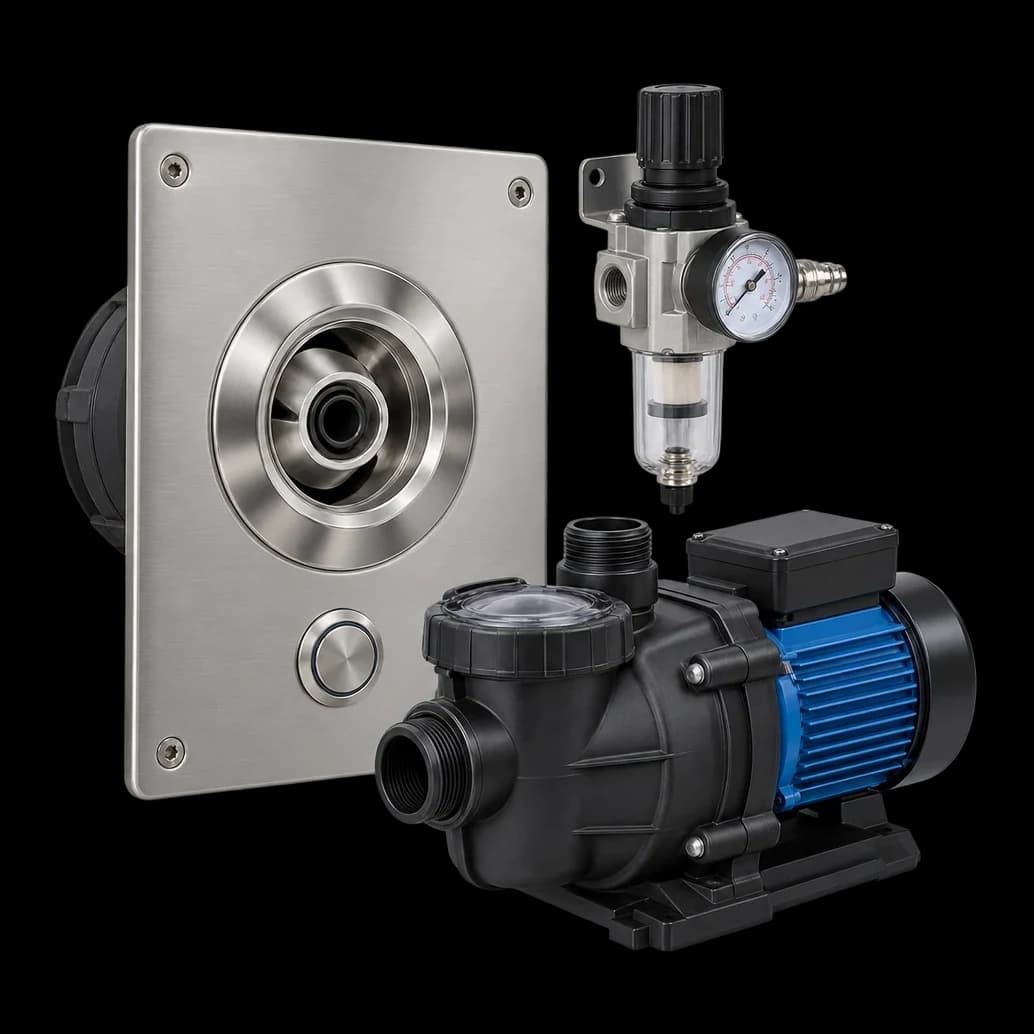
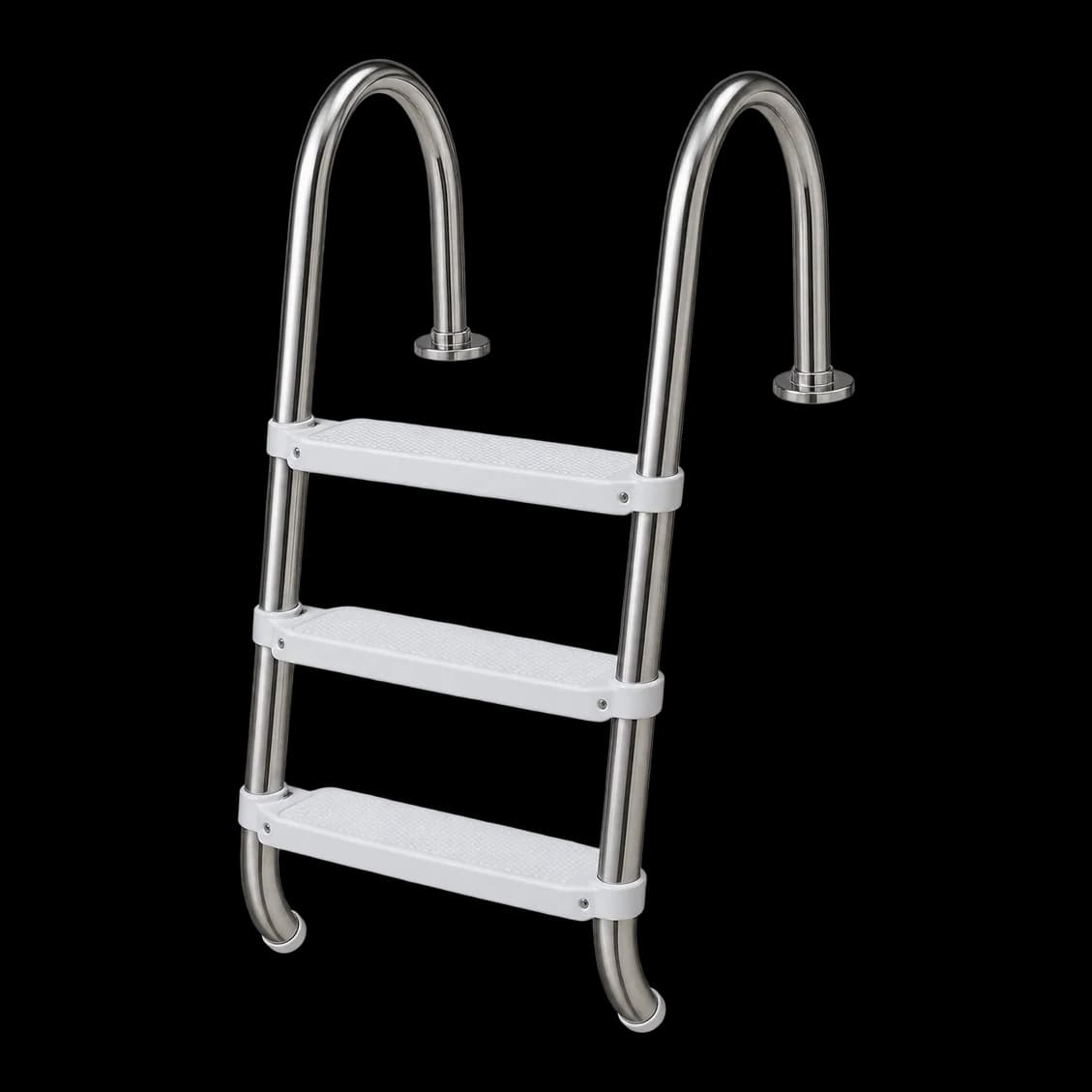
How to choose: Pool Mechanical Equipment
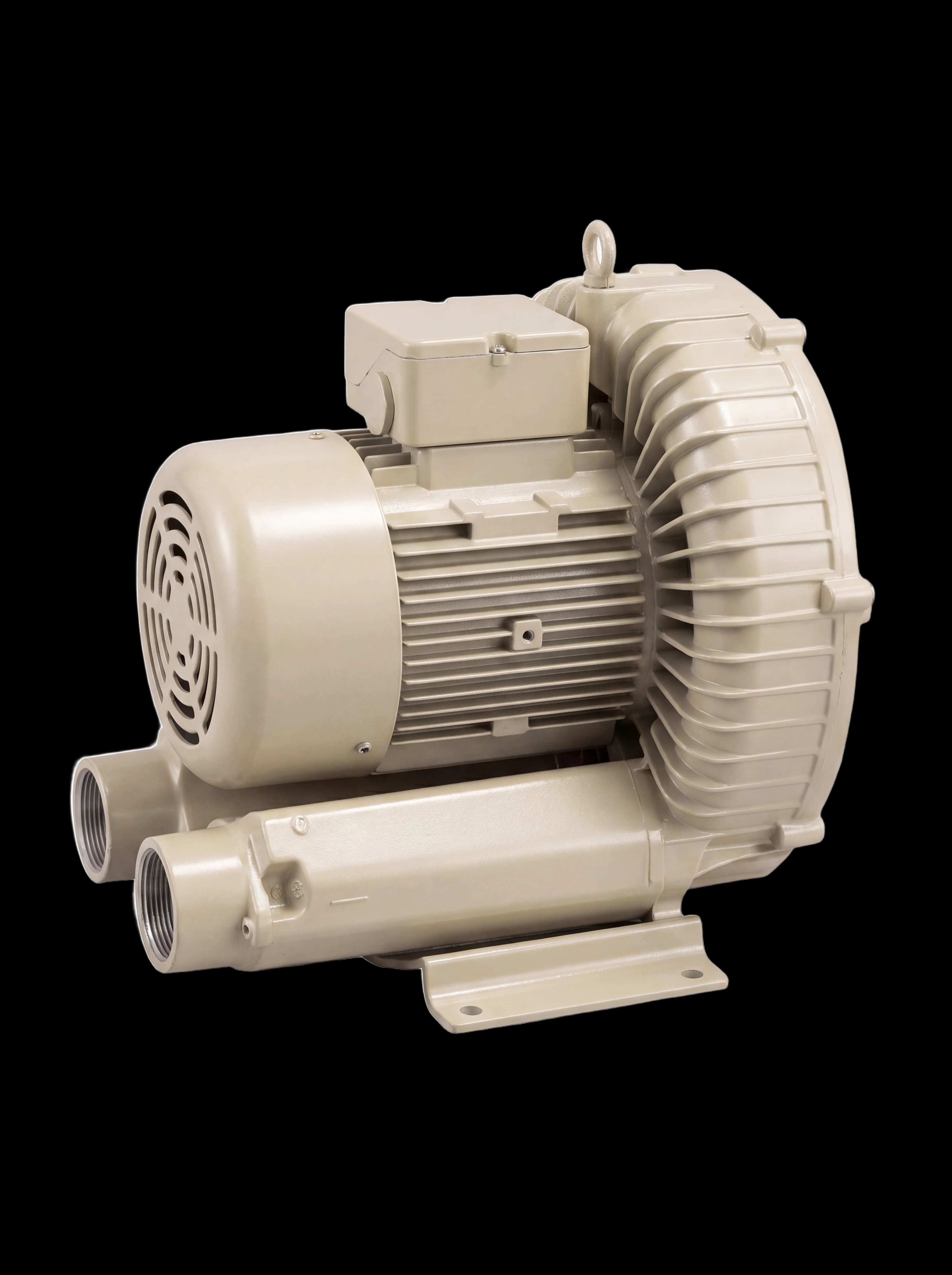
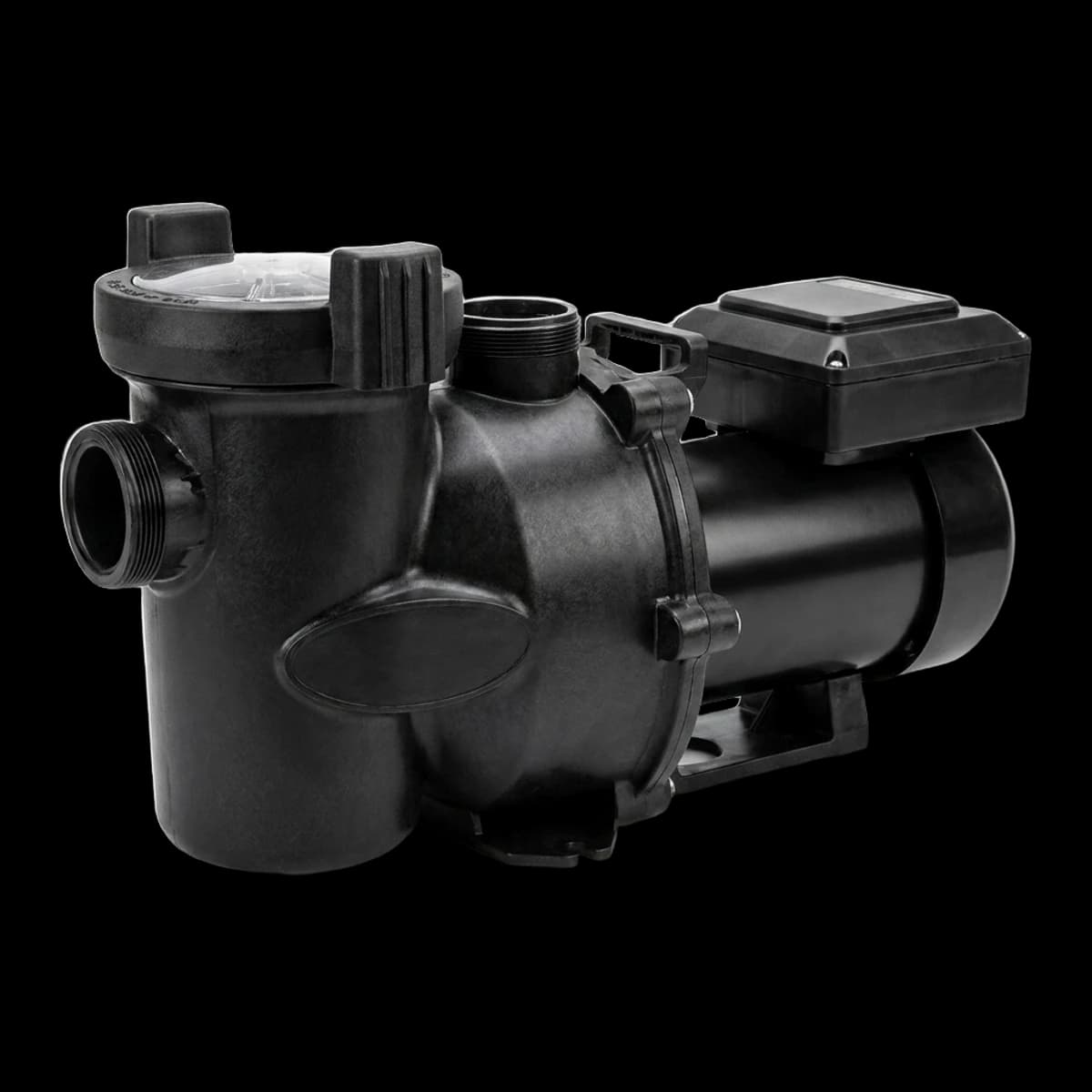
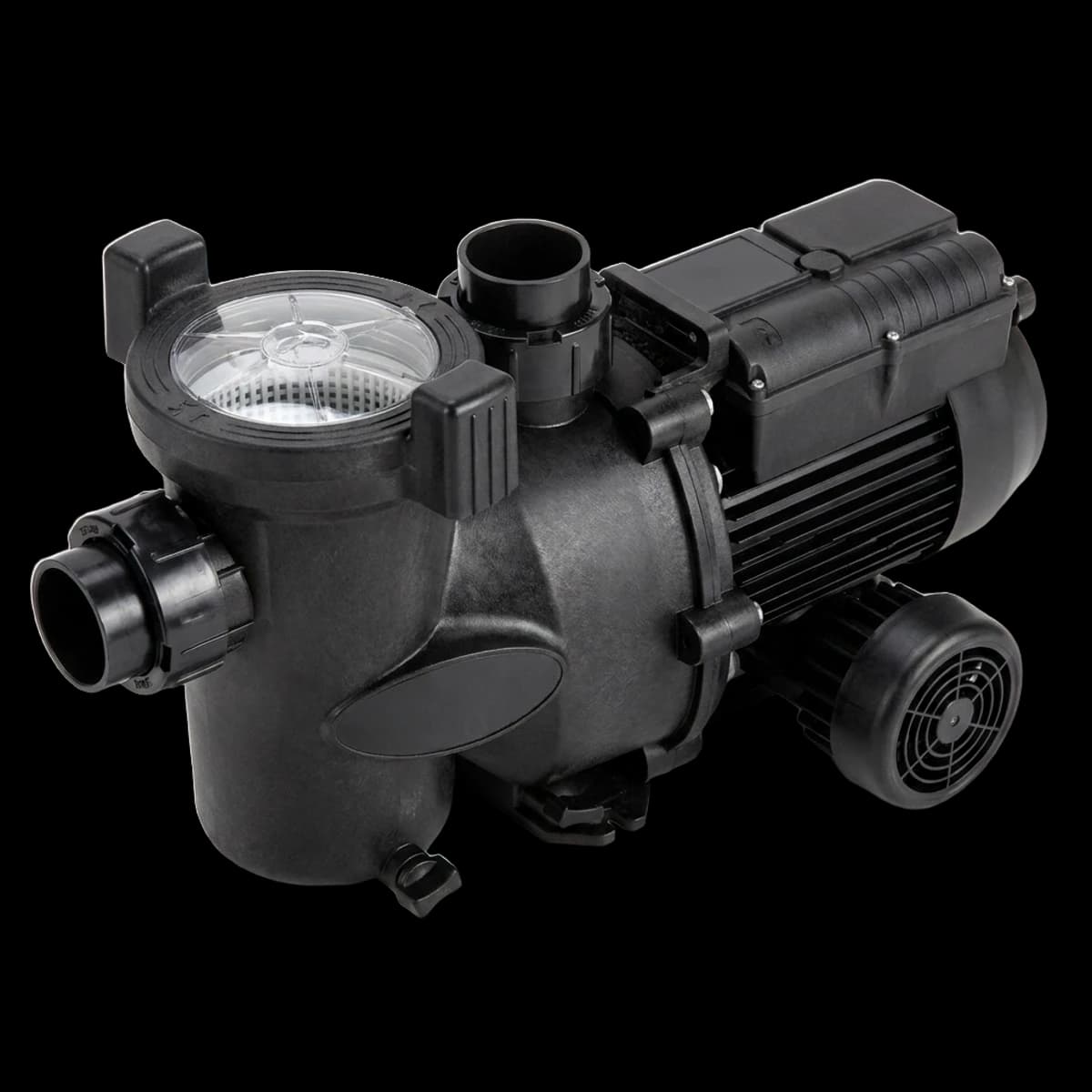
The mechanical installation is the part of a pool you never see, yet it determines how long the pool lasts. Pump, filter, valves and pipework form one system; if a single element is wrong, the rest lose efficiency. A correctly sized installation keeps the water clear, lowers running cost and reduces maintenance.
- Volume and turnover time
- The full water volume should pass the filter every 4–6 hours; pump flow is sized to that target.
- Variable speed or single speed
- Variable-speed pumps run at low RPM for most of the day and cut energy use markedly.
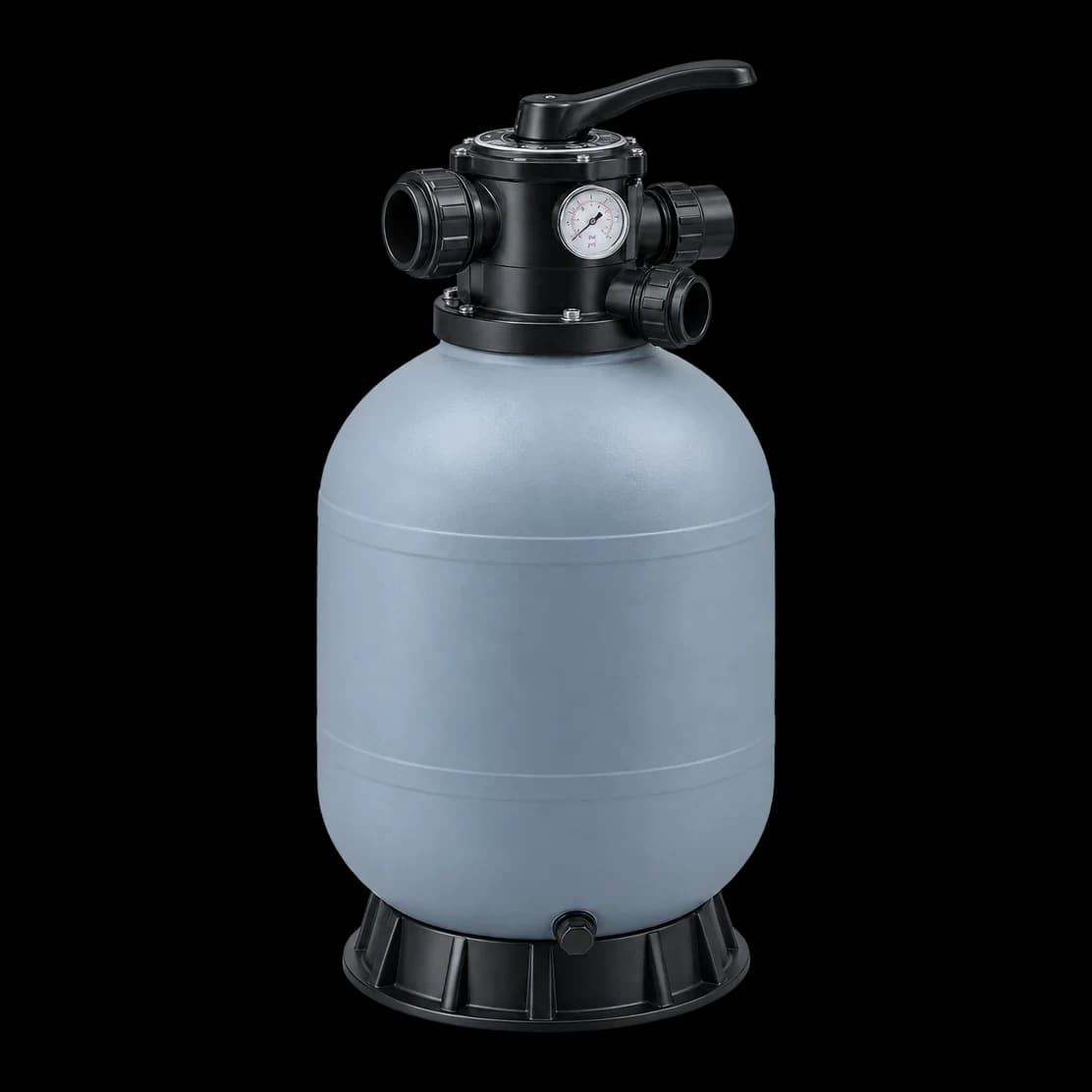
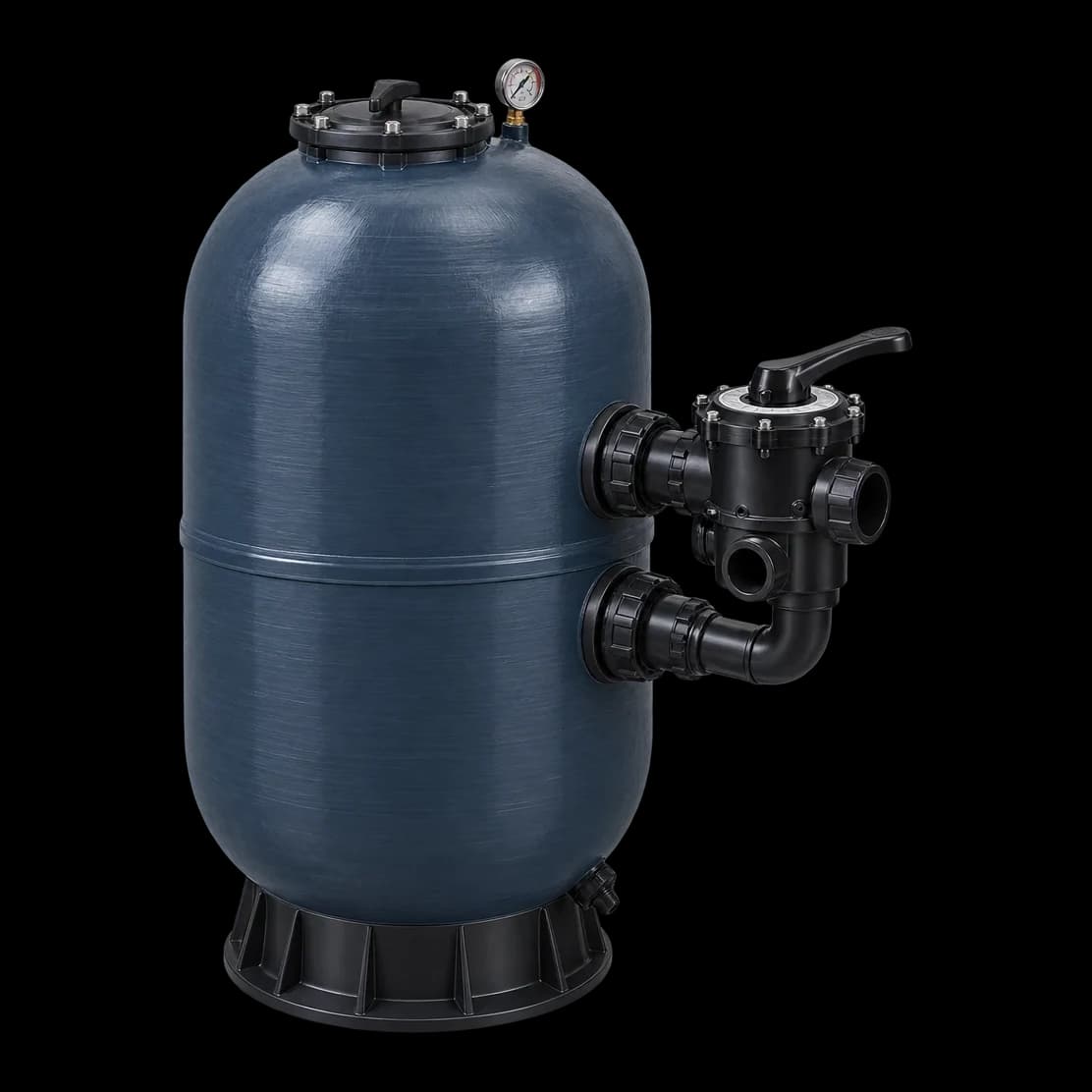
- Filter type and surface area
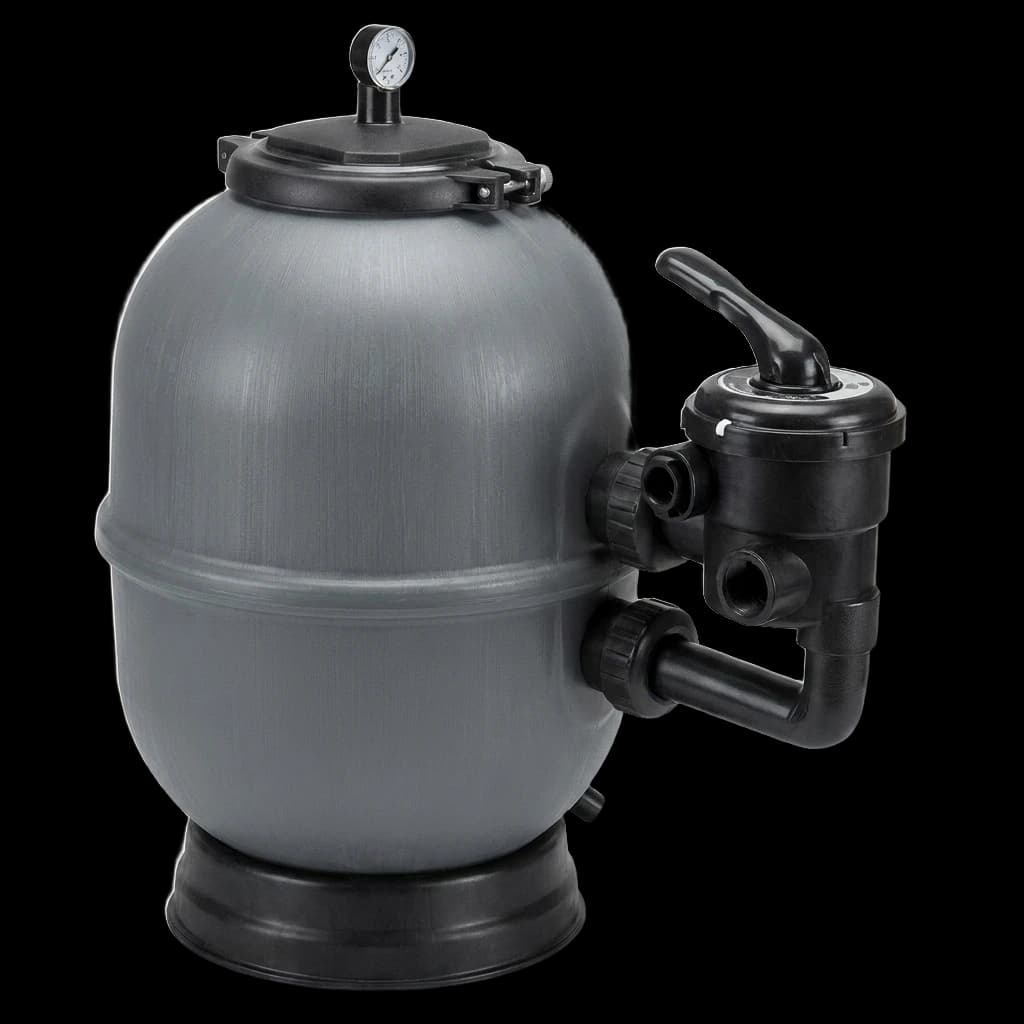
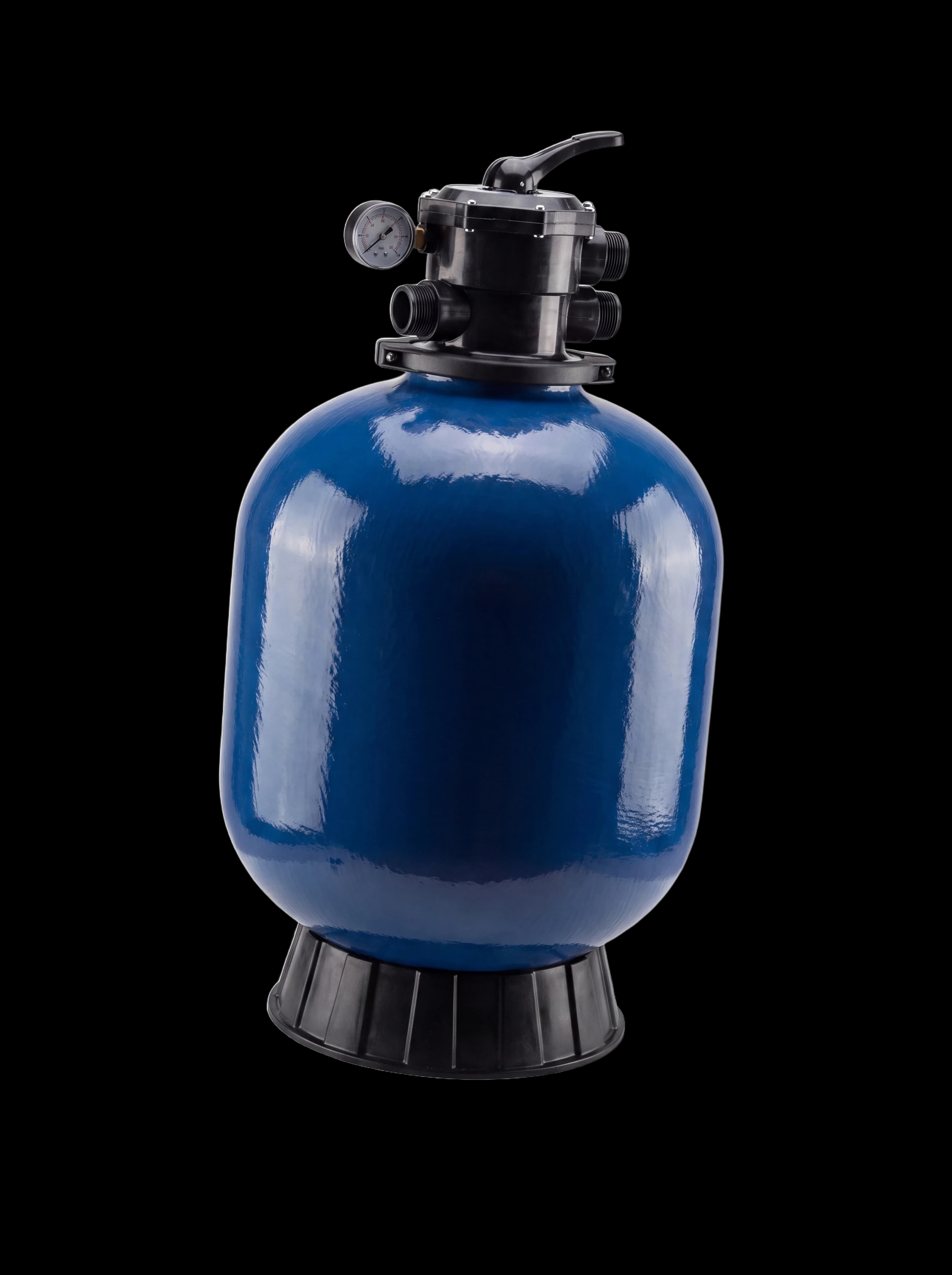
- Sand, glass media or cartridge; a larger surface area means less frequent backwashing.
- Hydraulic balance
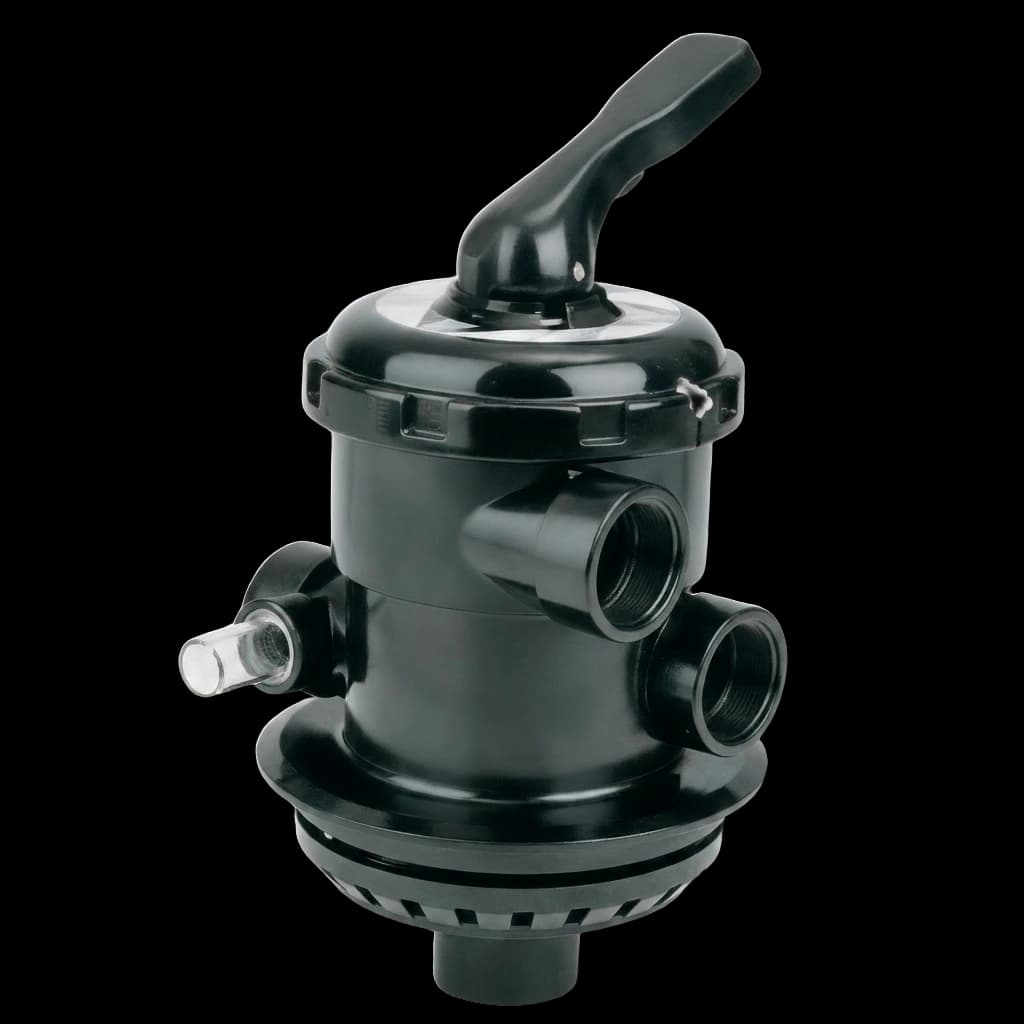
- Pipe diameter, suction/return lines and valve layout let the pump deliver its rated performance on site.
What matters during installation
- Commercial and public pools need a different scale
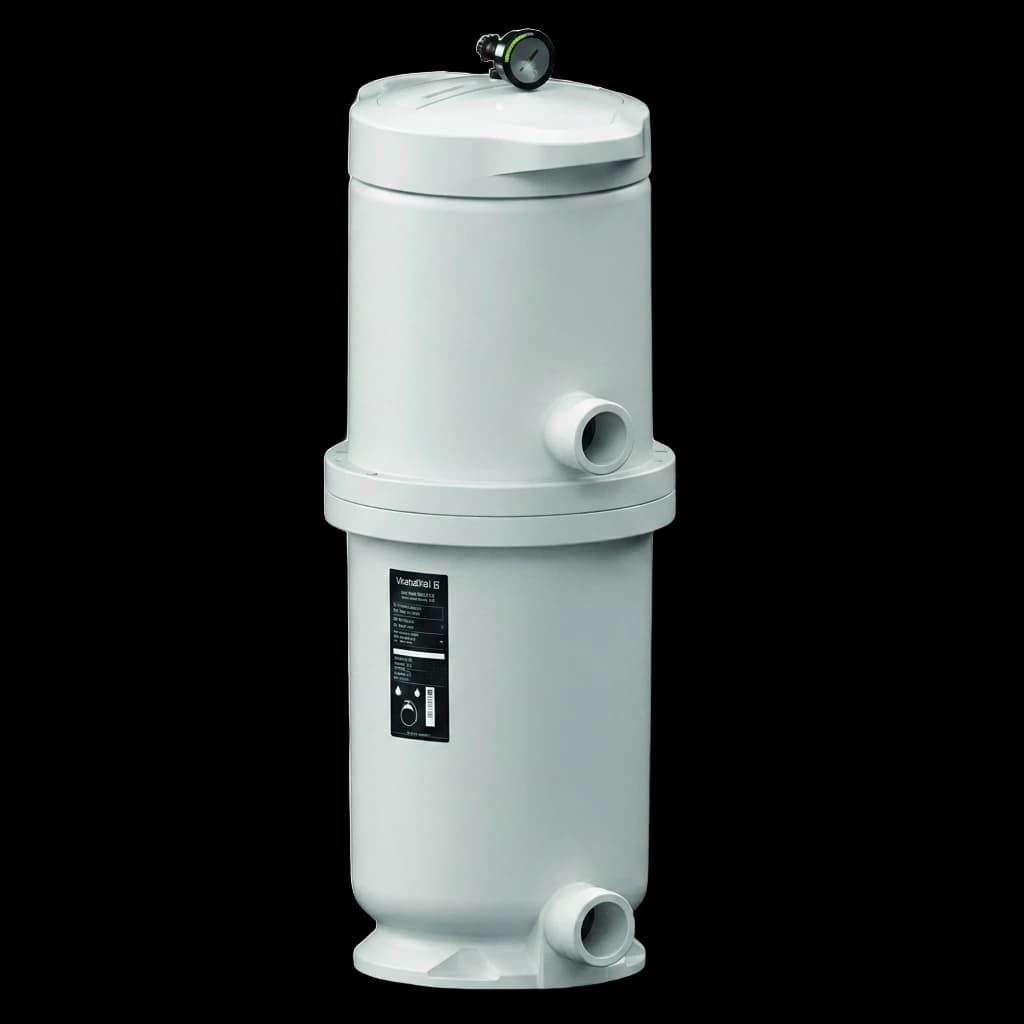
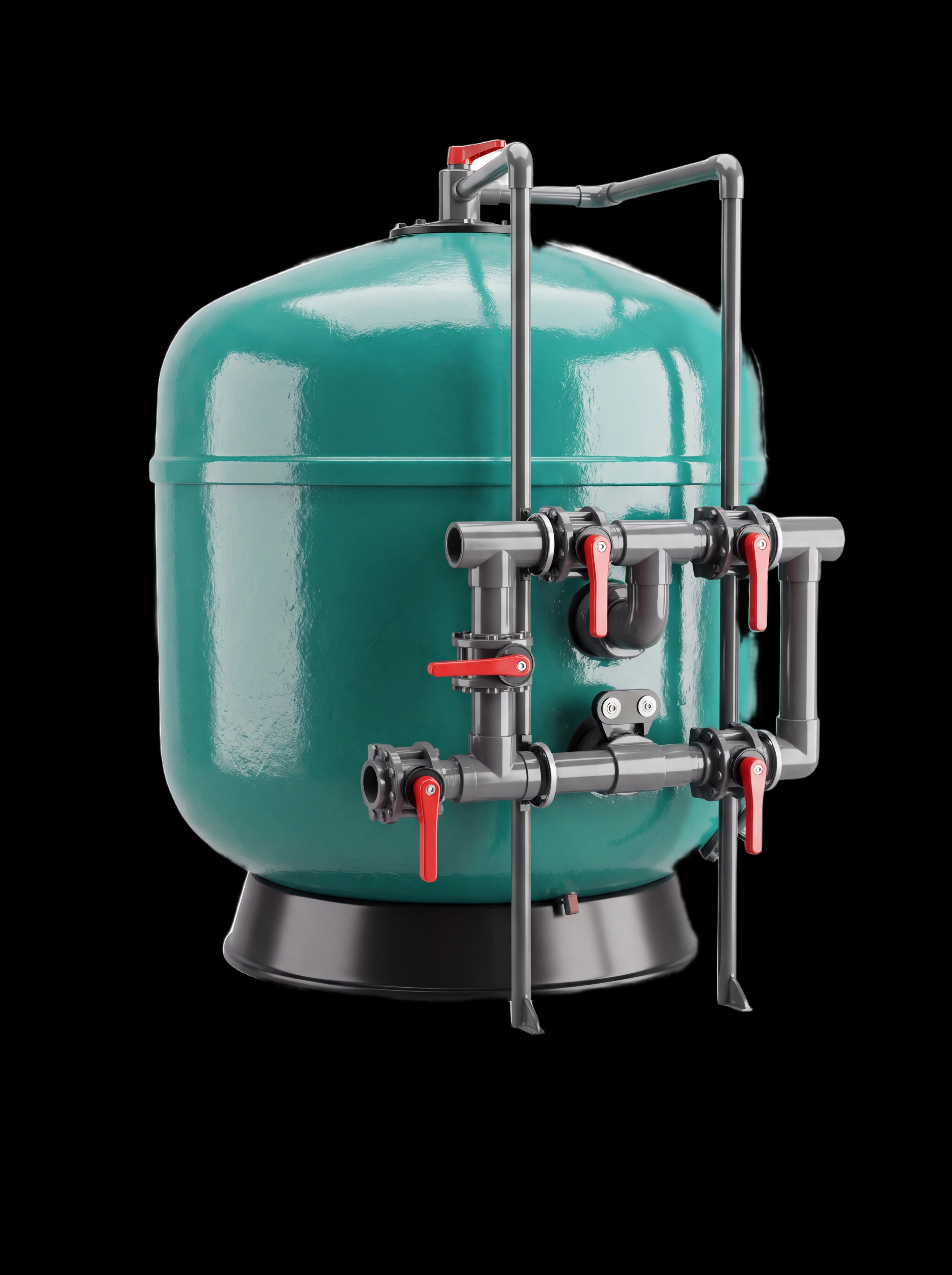
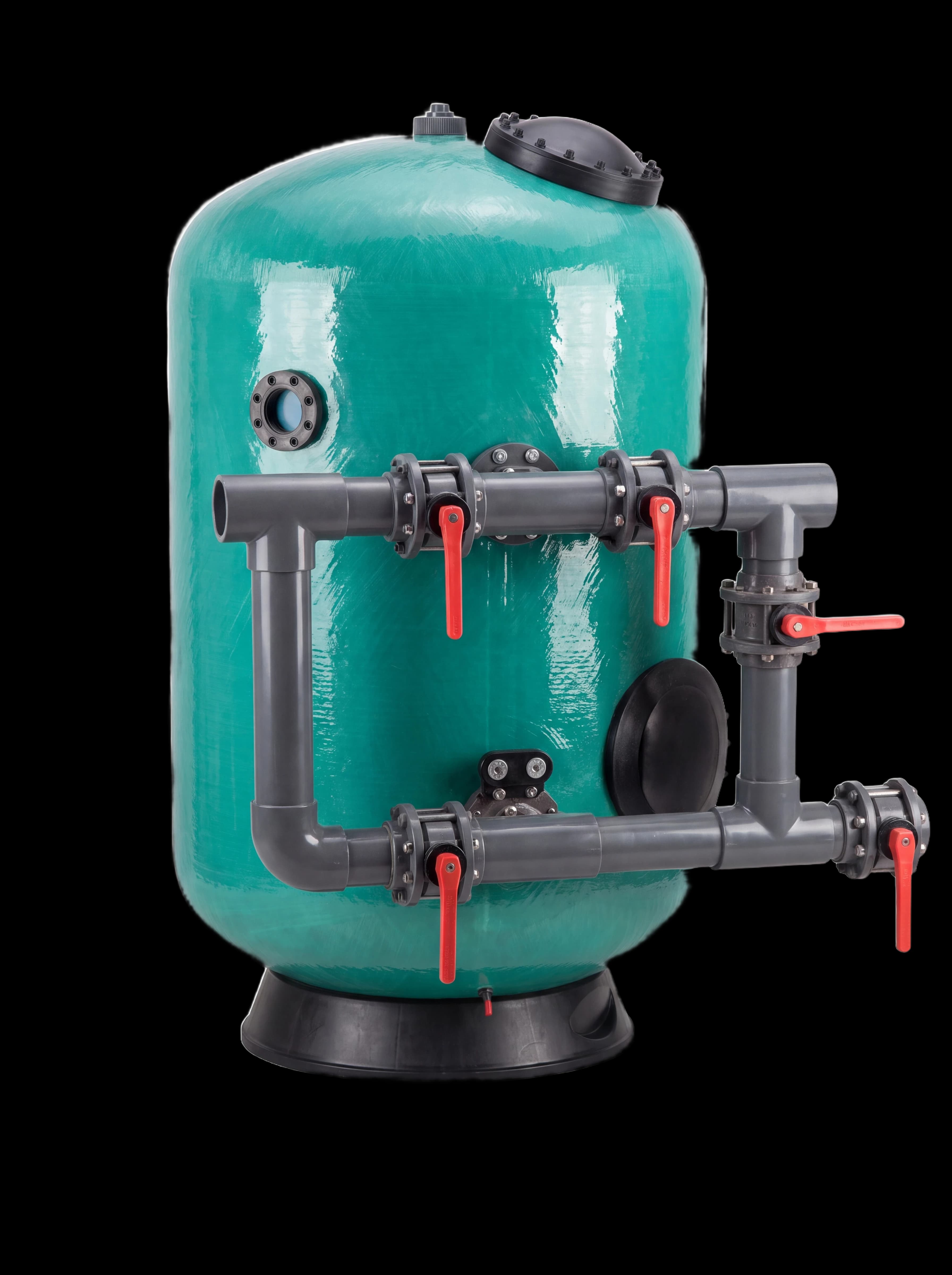
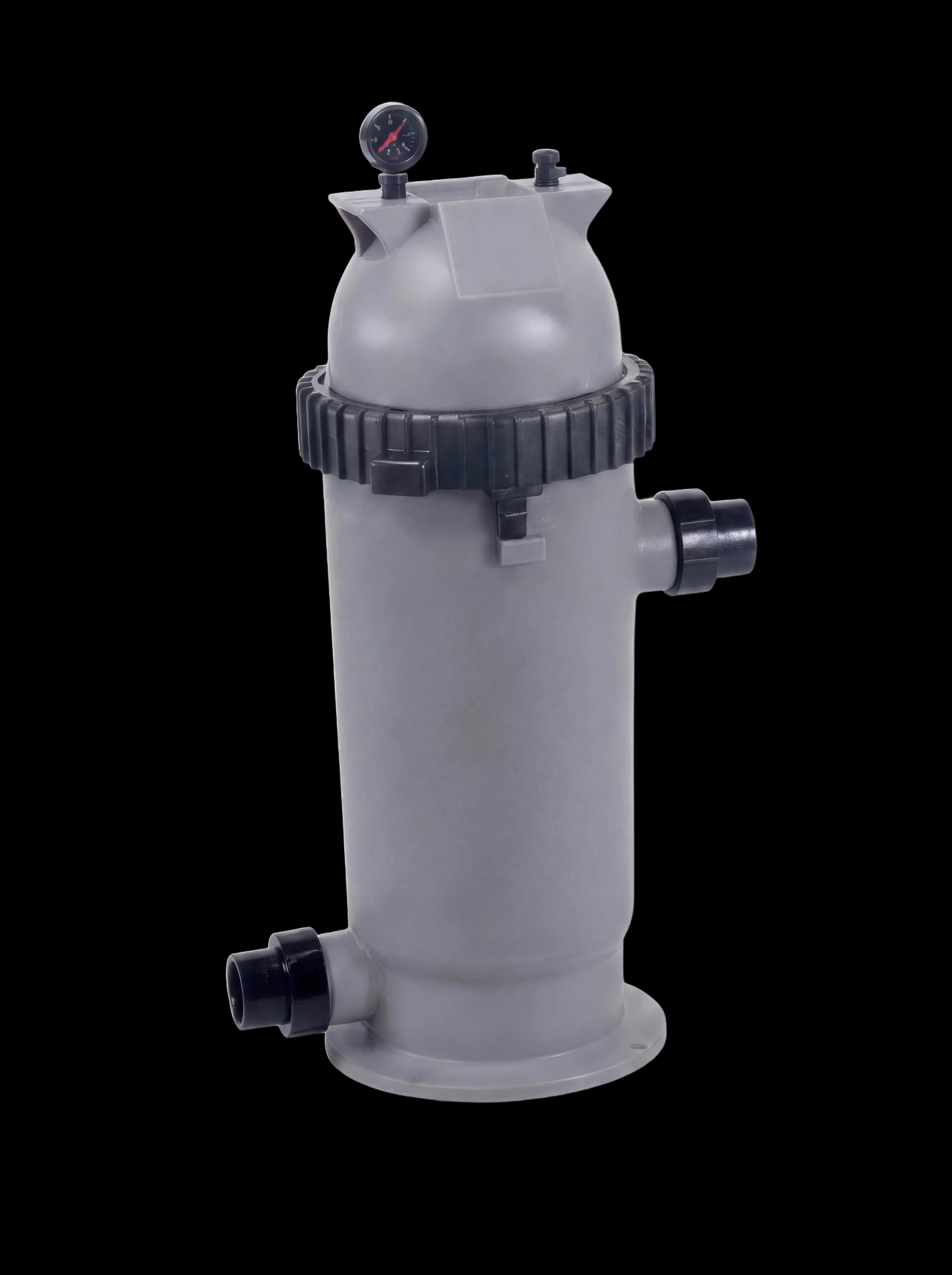
- Commercial pools with heavy bather load require far higher flow and filtration capacity than villa pools, which is why a separate commercial filter line exists.
- Backwash frequency is decided on site
- Backwashing is triggered once filter pressure exceeds the manufacturer's stated threshold; the interval depends on how heavily the pool is used, not a fixed calendar.
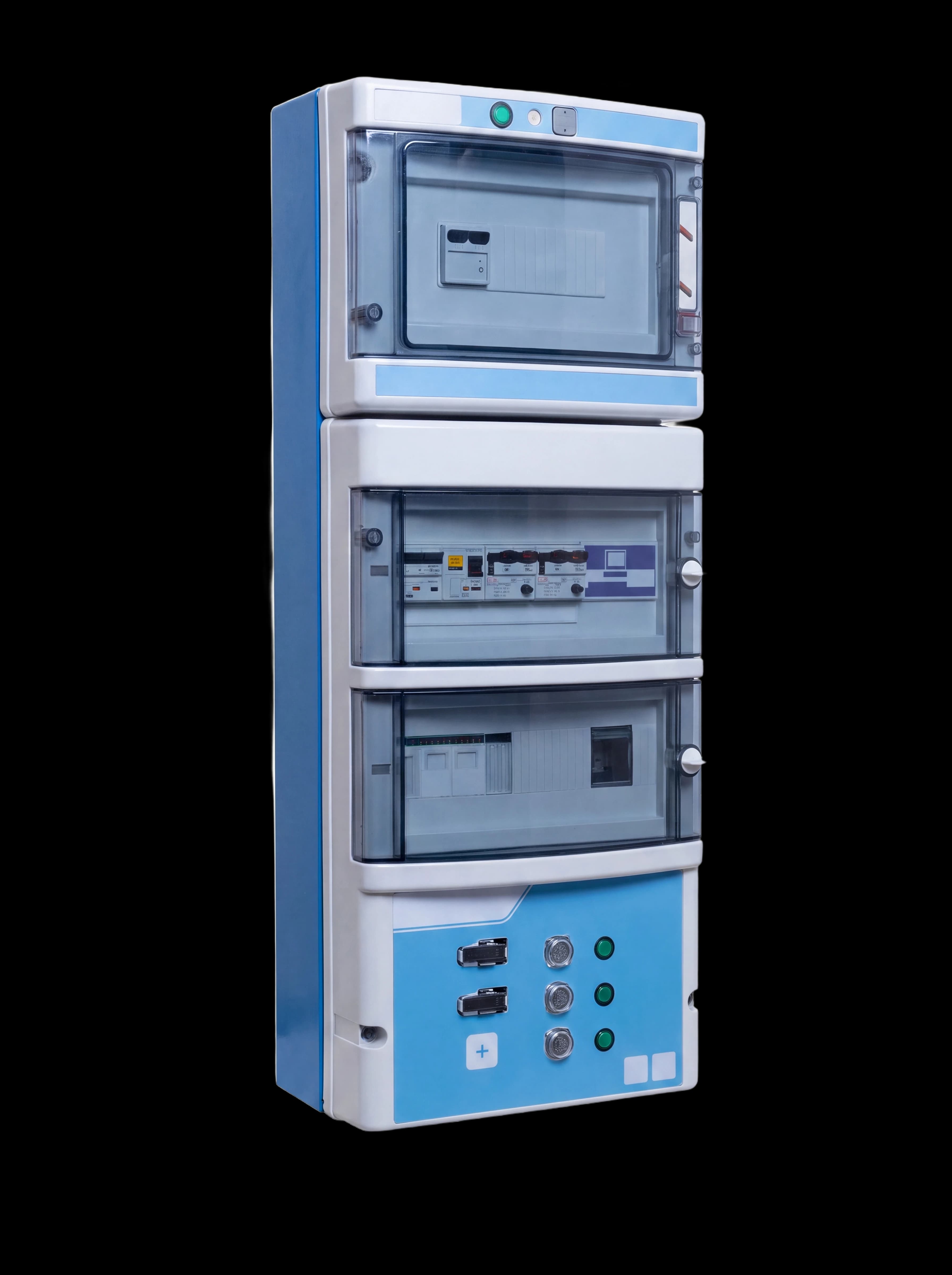
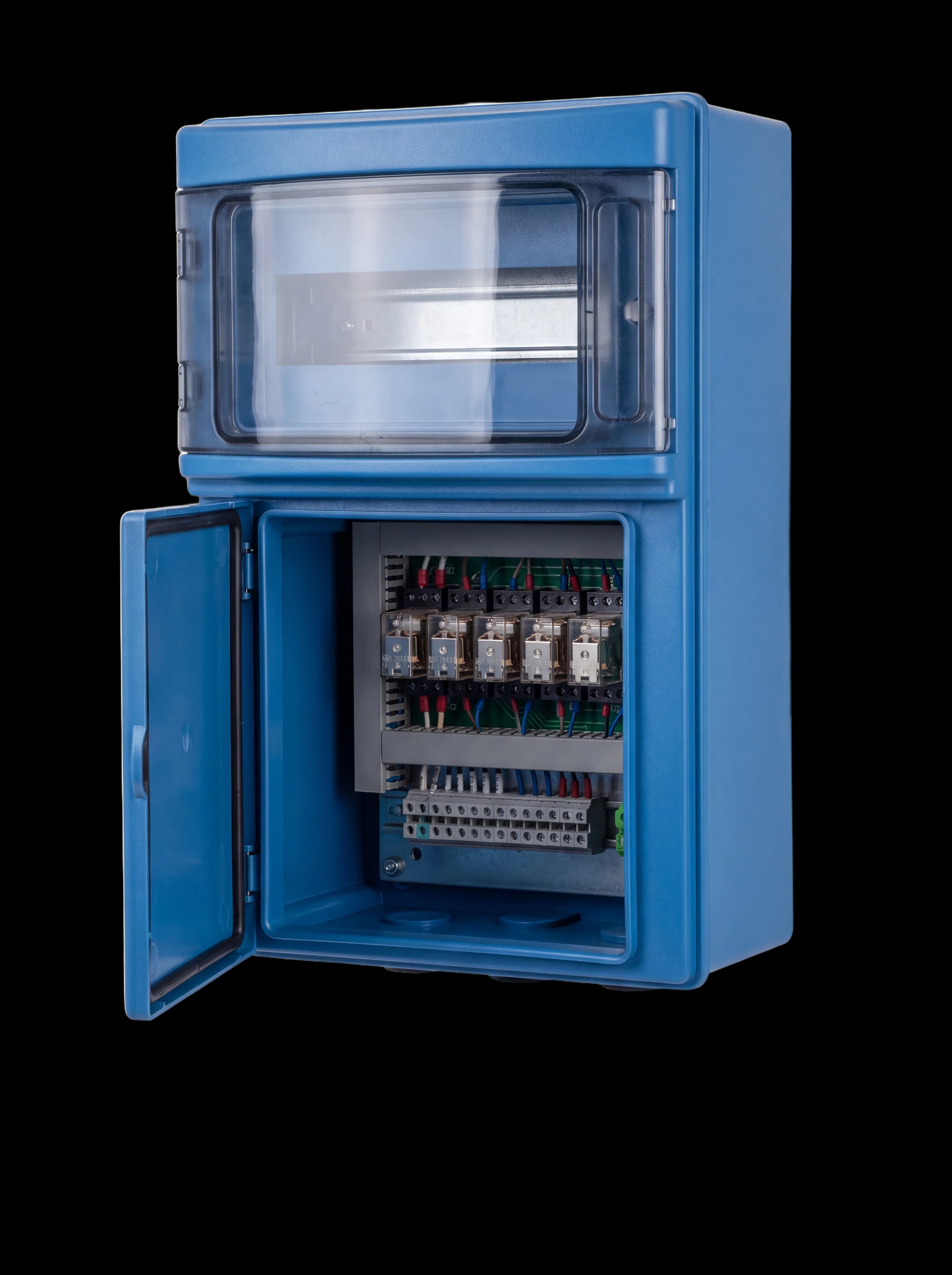
- Automation panels enable remote control
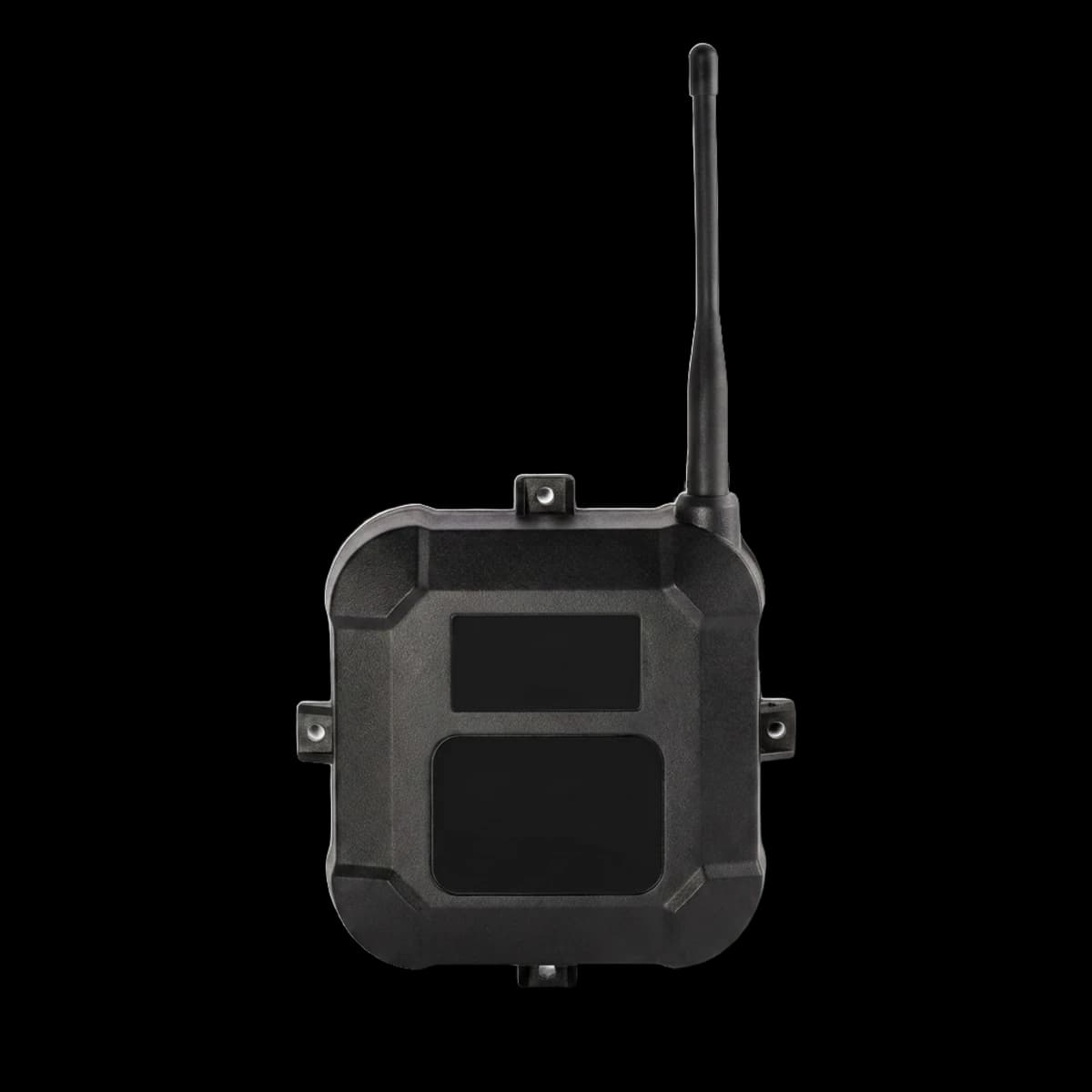
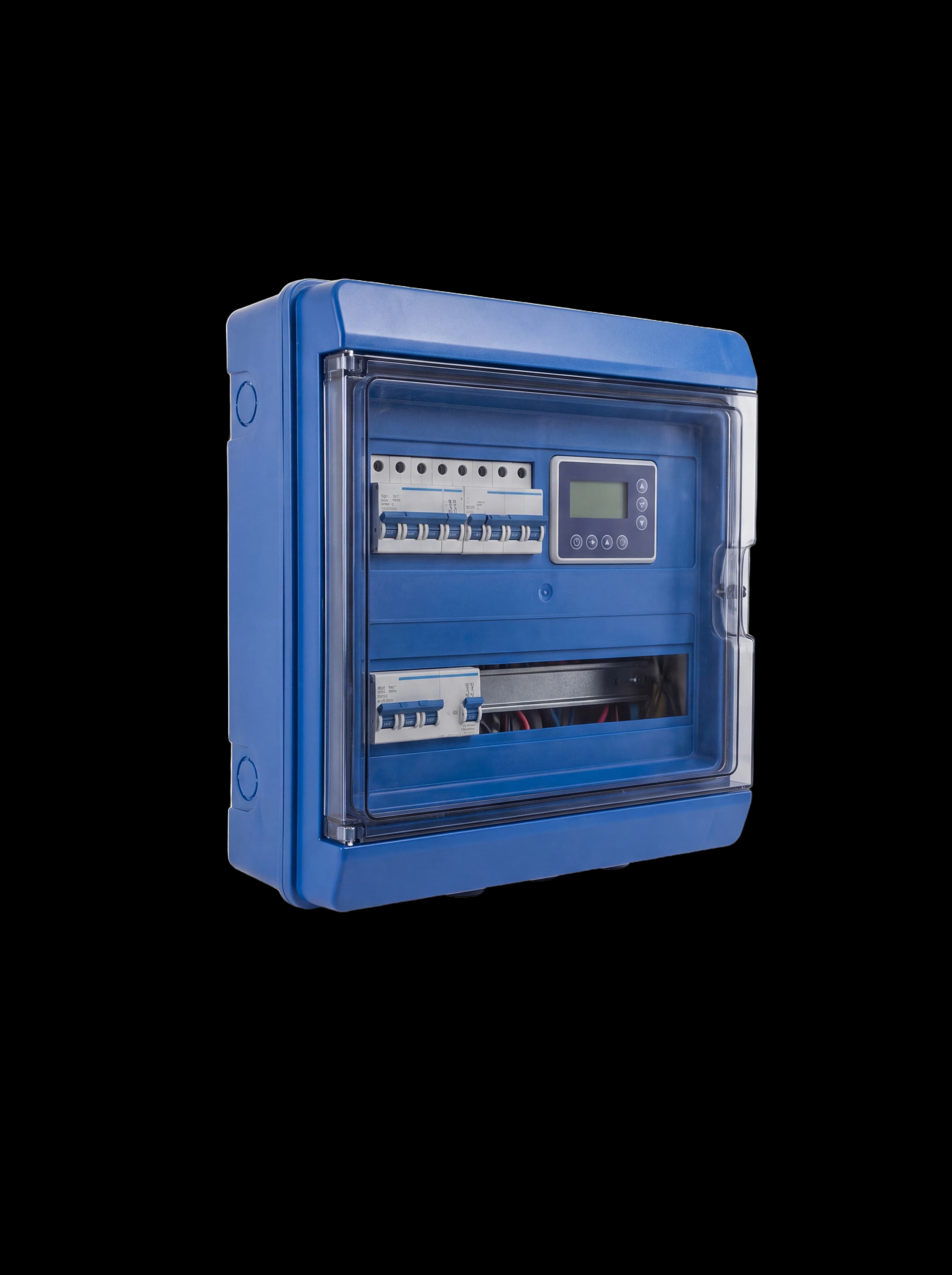
- Control panels let you manage the pump, lighting and dosing from a single point, often via a mobile app.
- Compatibility with salt electrolysis systems
- In salt-chlorinated pools, pump and valve materials must resist corrosion — this compatibility should be checked separately when choosing equipment.
Pool Filtration Systems & Mechanical Equipment
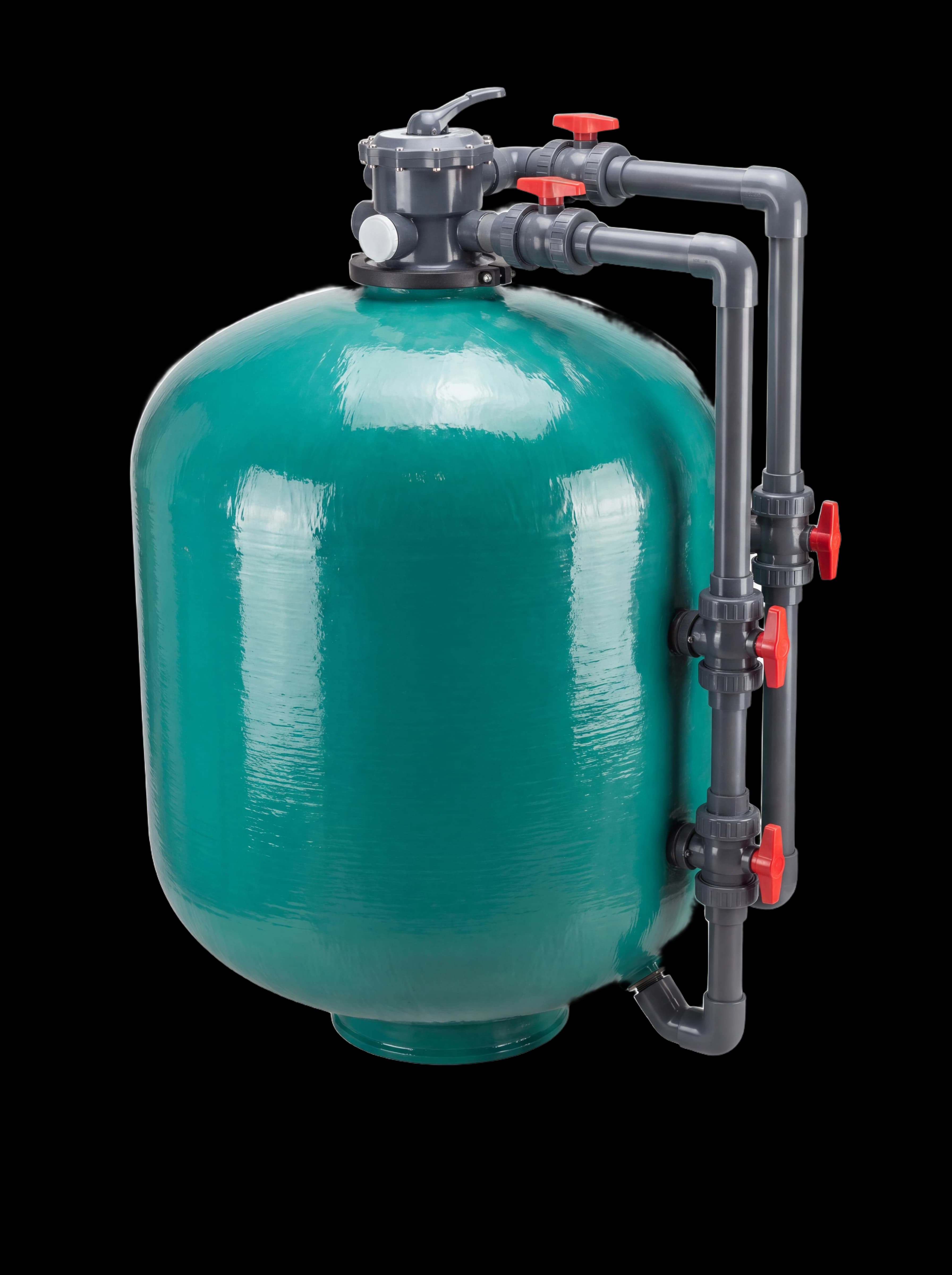
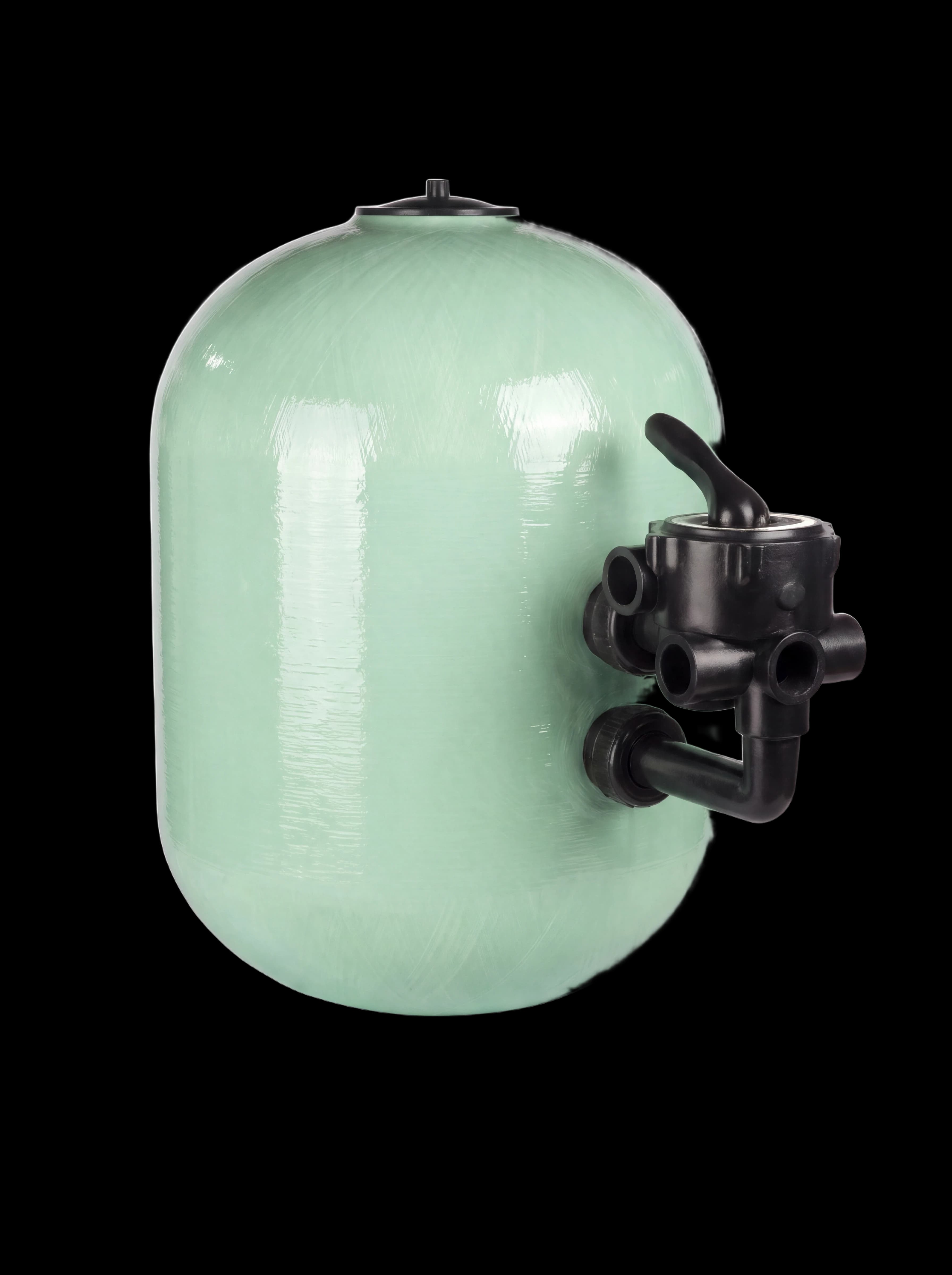
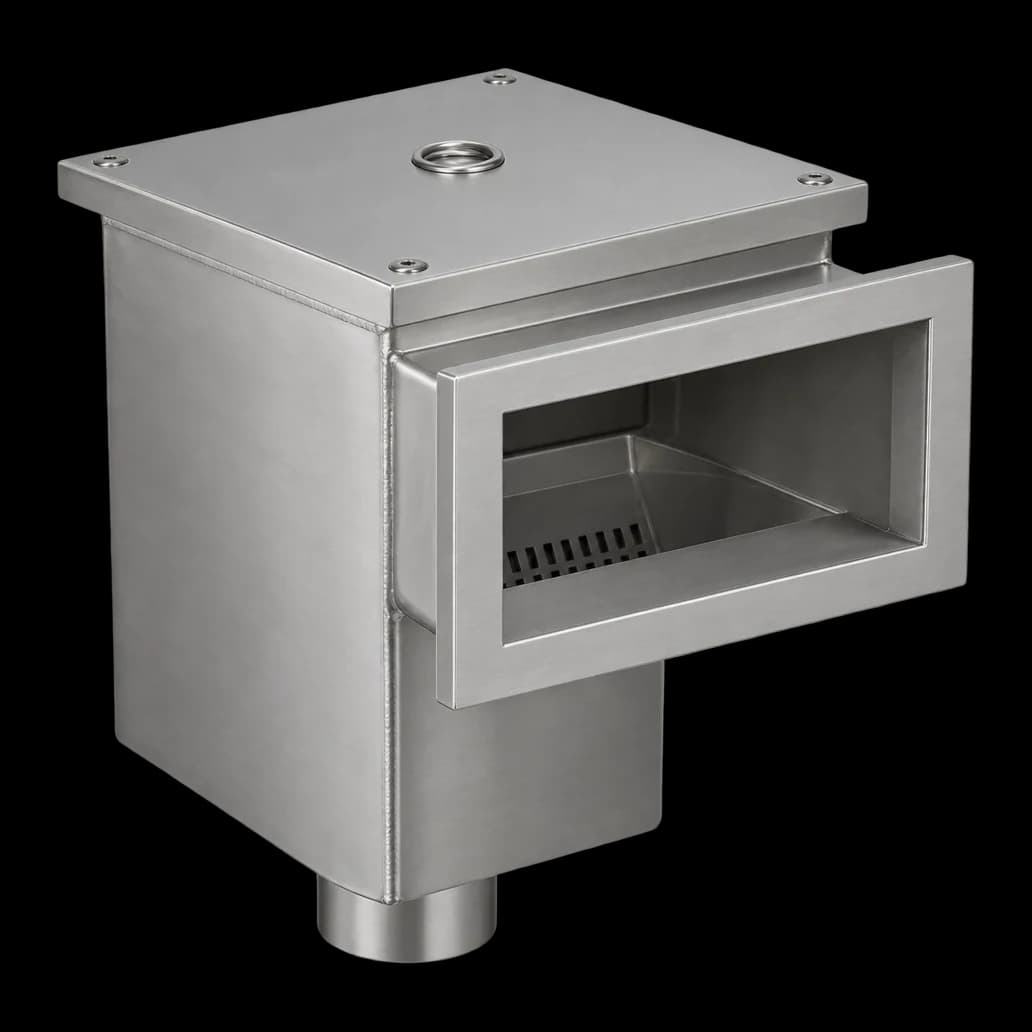
Pool water treatment systems form a closed loop in which water is drawn by a pump, passed through a filter, disinfected, and returned to the pool. The pool mechanical equipment in this category covers every part of that loop: circulation pumps, sand and glass-media filters, water intake components such as skimmers and grates, valves, heat pumps, salt chlorine generators, and measurement-automation units.
The single criterion for selection is pool volume: pump flow rate is set so that the water completes a full turnover every 4 to 6 hours, and filter diameter is set so that it does not exceed a rate of 30-50 m³/hour·m² at that flow. Flow rate, diameter and power values for every item are given on the product pages; which combination suits which pool is calculated during the site survey.
Frequently asked questions
What components make up a pool water treatment system?
It consists of a pump, filter, water intake (skimmer or overflow channel), return nozzles, piping, and a disinfection unit. Heating, automation and lighting are added on top of this core.
How is a pool pump selected?
Pool volume is divided by the desired turnover time: a 60 m³ pool with a 6-hour turnover requires a 10 m³/hour pump; a 20 percent margin is added for pipe and filter losses. A variable-speed pump cuts energy cost in half.
Sand filter or glass filter?
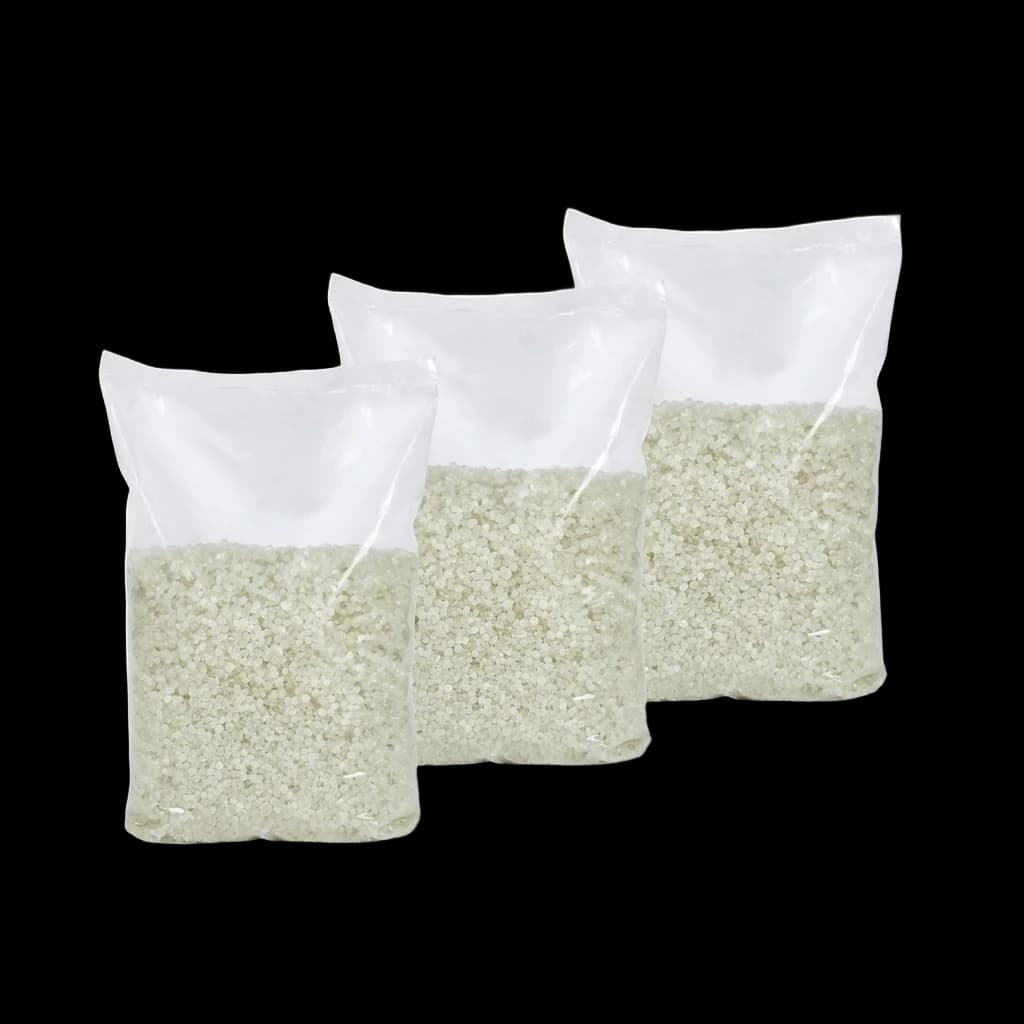
Both media work in the same tank. Glass media filters finer, requires less backwashing and lasts more than 10 years; silica sand is cheaper and is renewed every 5-7 years.
Can I buy mechanical equipment together with installation?
Yes. Products are sold on their own; installation and commissioning service is available in and around Istanbul, and is planned project by project after a site survey in other provinces.