

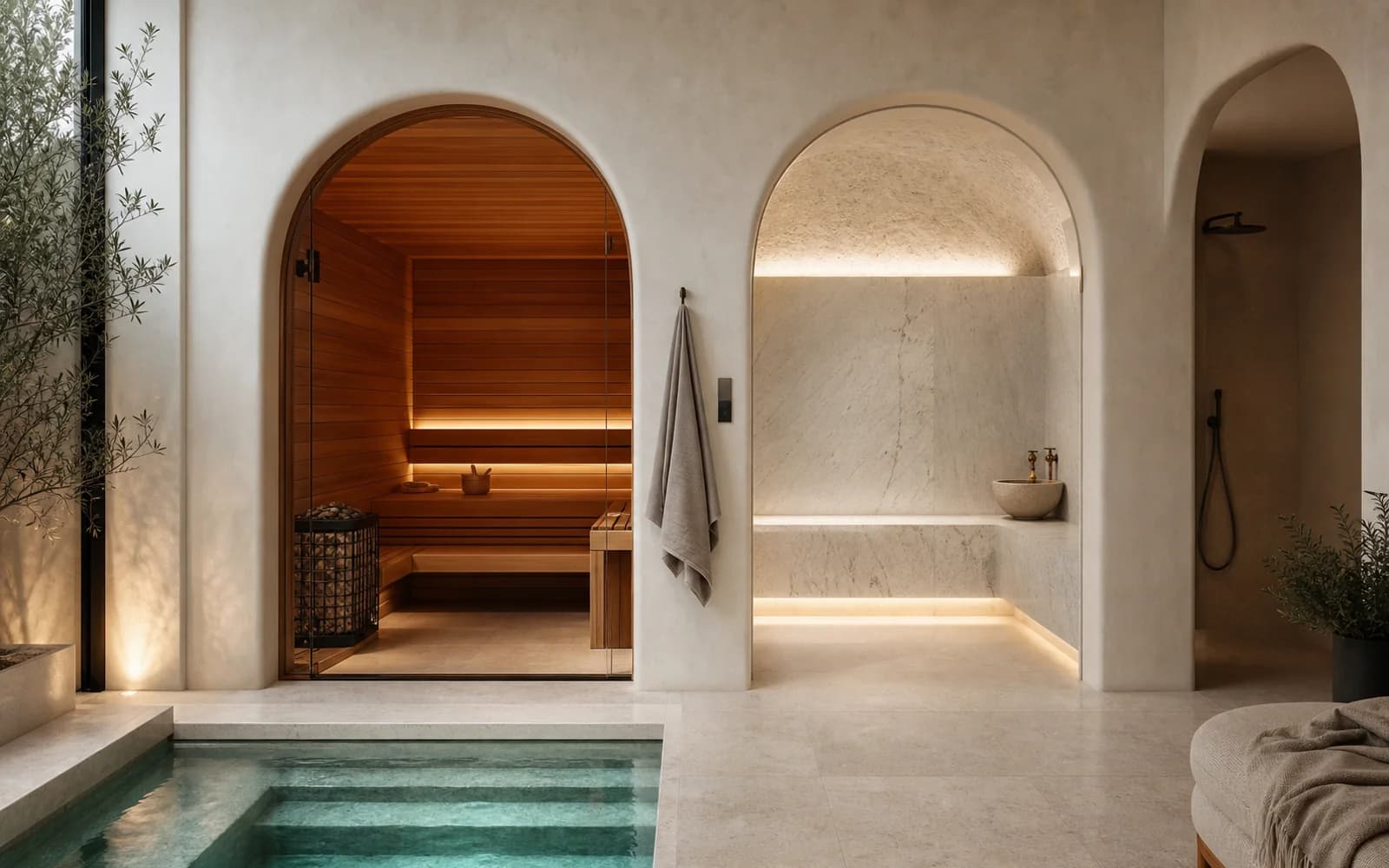
Sauna or Steam Room? Differences, Benefits and the Right Choice
Clear differences between a dry-hot sauna and a saturated-humidity steam room: temperature-humidity, materials, experience and installation compared, plus honest guidance on which suits you.
Project Manager · Mechatronics Engineer · Çilek Havuz
- Published
- Updated
- Reading
- 3 min read
- Category
- Sauna
Clear differences between a dry-hot sauna and a saturated-humidity steam room: temperature-humidity, materials, experience and installation compared, plus honest guidance on which suits you.
A sauna and a steam room look alike from the outside, but inside they are two different climates.
A sauna runs on dry, very hot air; a steam room runs cooler, with the air close to saturated. Everything from materials and construction to how the room is used and maintained follows from that difference.
In numbers: Finnish sauna: about 70-100°C, only 10-20% relative humidity, timber-lined room, dry and sharp heat. Steam room: about 40-50°C, close to 100% relative humidity, tiled or mosaic surfaces, heavy, moist warmth.
Neither is better than the other; they are two different experiences. The right one is the room you feel good in.
Sauna heat is dry and intense.
You start sweating quickly, and a typical session is a few short rounds with a cold shower in between. People who like dry air and strong heat choose the sauna.
A steam room is softer. The lower temperature keeps it from feeling stifling, and the saturated air keeps skin and airways moist. People who find dry heat too harsh usually prefer steam.
Try both a few times before deciding; the choice comes down to personal comfort. Where space and budget allow, we often build the two side by side.
As engineering problems, the two rooms are opposites.
In a sauna the main job is thermal insulation: heating the room efficiently, choosing resin-free timber, placing the vapour barrier correctly. A sauna is a dry structure, and the real risk is heat loss.
In a steam room the main job is water: continuous waterproofing, proper drainage, a sloped ceiling that carries condensation away instead of dripping it on bathers, and a tight seal that keeps moisture out of neighbouring rooms. A steam room is permanently wet, and the real risk is moisture escaping.
The equipment differs too: a sauna is built around a heater sized to the room, a steam room around an external steam generator. Controls, safety requirements and maintenance are different as well. Treating both as just a hot room is the most common and most expensive mistake we see on site.
Both are widely said to help people relax, but neither is a medical treatment.
A hot room is for rest, not therapy.
As a rule, people who breathe more easily in moist air lean towards steam, and those who like dry heat lean towards the sauna. That is an observation about comfort, not a health prescription, and it varies from person to person.
If you have a heart condition, high or low blood pressure, circulation problems or are pregnant, talk to your doctor before using either. Don't stay in too long, drink plenty of water and leave straight away if you feel unwell.
For the same size, the total cost is often similar, but the money goes to different places: in a sauna mostly to timber and the heater, in a steam room to waterproofing, tiling and the steam generator.
A sauna is easier to fit into a dry room or basement, because it needs no floor drain. A steam room needs wet-area plumbing, a floor drain and its own ventilation.
Choose the room you will actually use, not the one that is slightly cheaper to build. An unused room is money wasted, however little it cost.
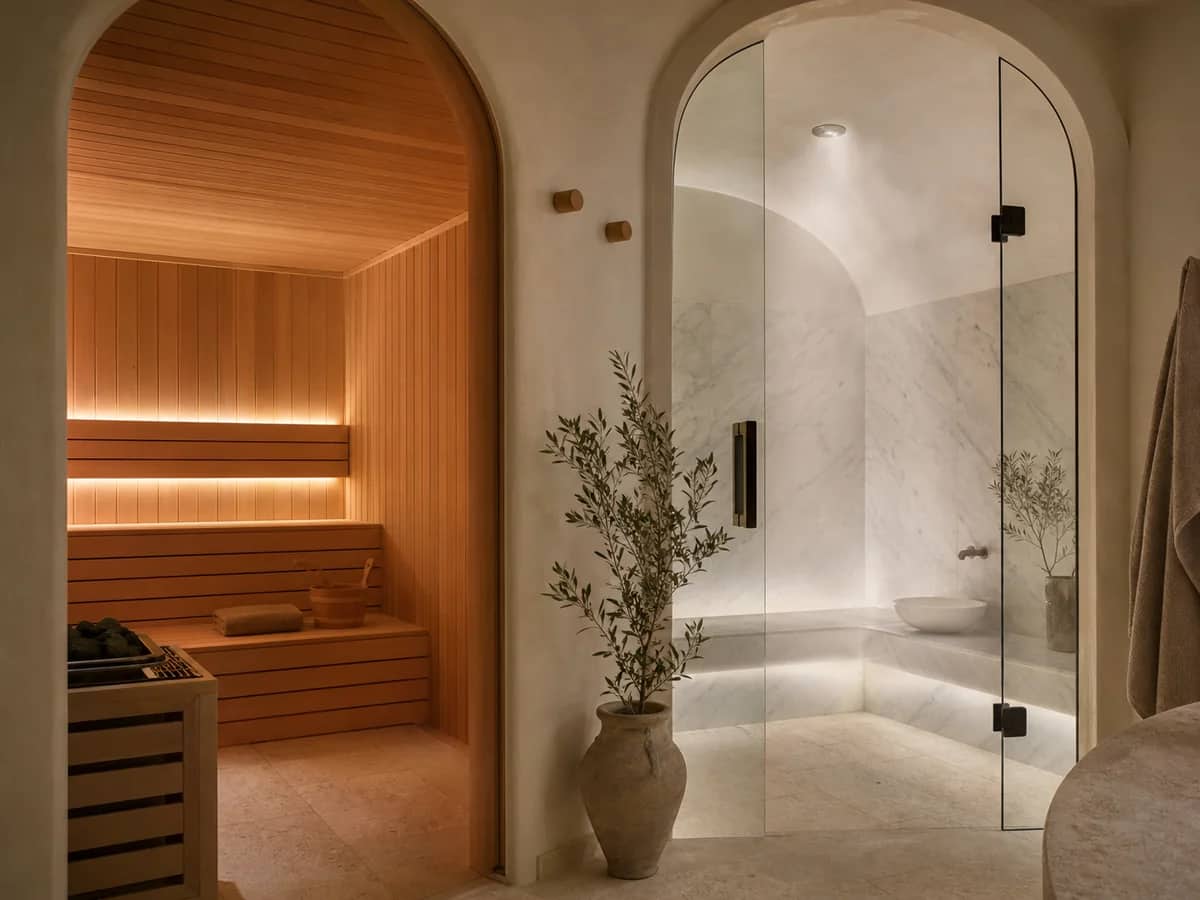
When space and budget allow, we build the sauna and steam room together in one wellness area in villas and hotels.
Guests pick dry or moist heat depending on the day.
Planning both from the start means the relaxation area, showers, ventilation and electrical supply are shared, which is tidier and usually cheaper than building them separately.
In a combined suite, choosing sauna and steam equipment from one supplier, designed to work together, makes servicing easier, and there is one point of contact when something fails.
Next step
Let us discuss your project in the way that suits you best.
You can fill in the form for a written quote, schedule a video project presentation or ask us to survey your project site.
Get a Quote
Send us your dimensions and expectations in writing.
Online presentation
Video project presentation
On-site survey
Inspection at your project site
Image gallery
Photos: 04
 01
01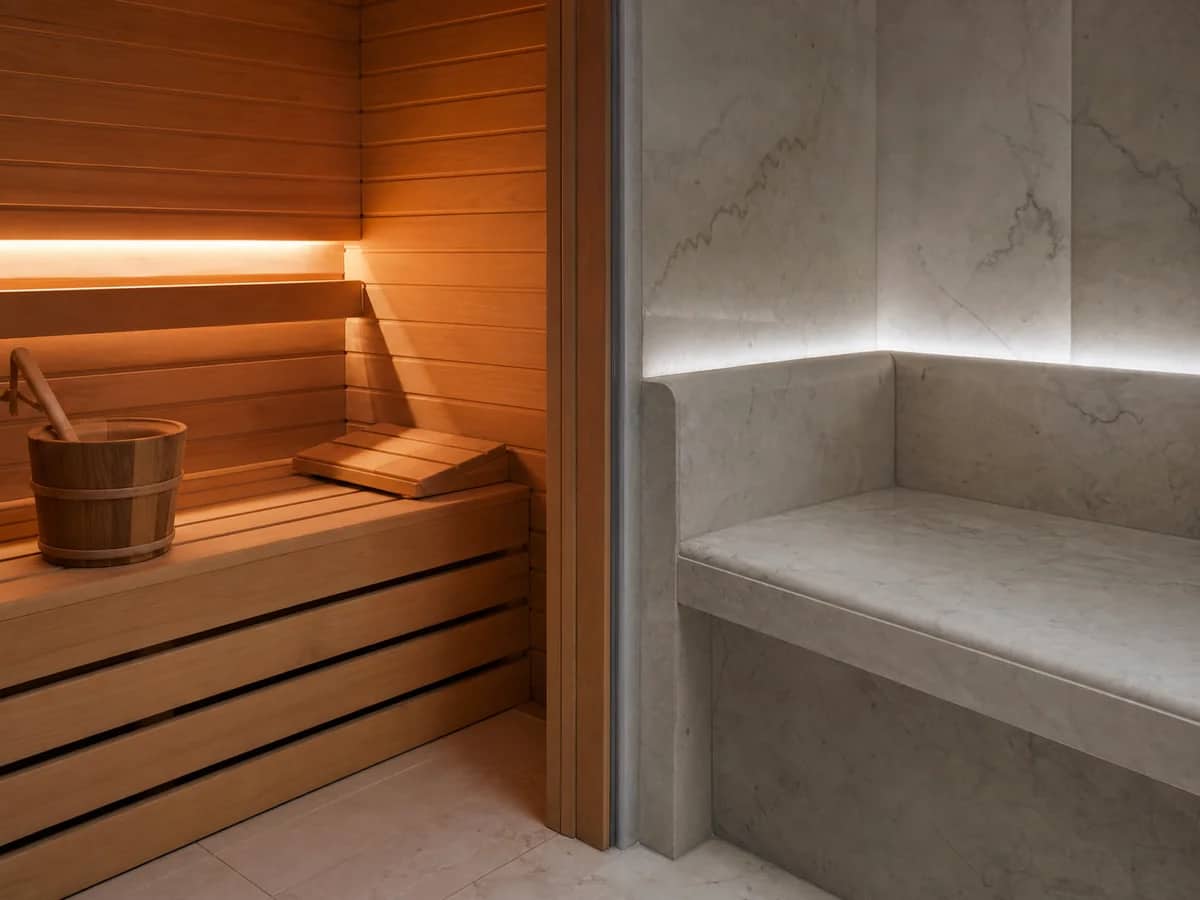 02
02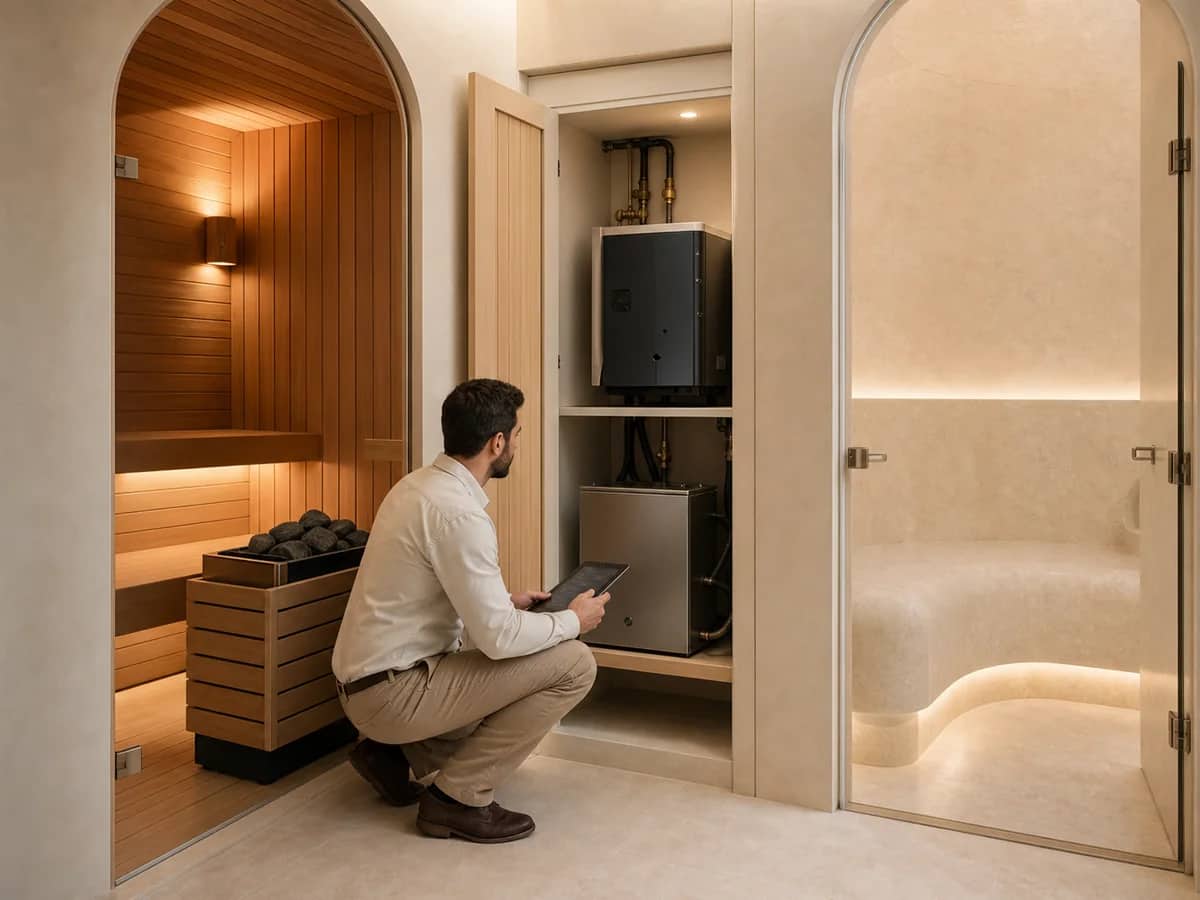 03
03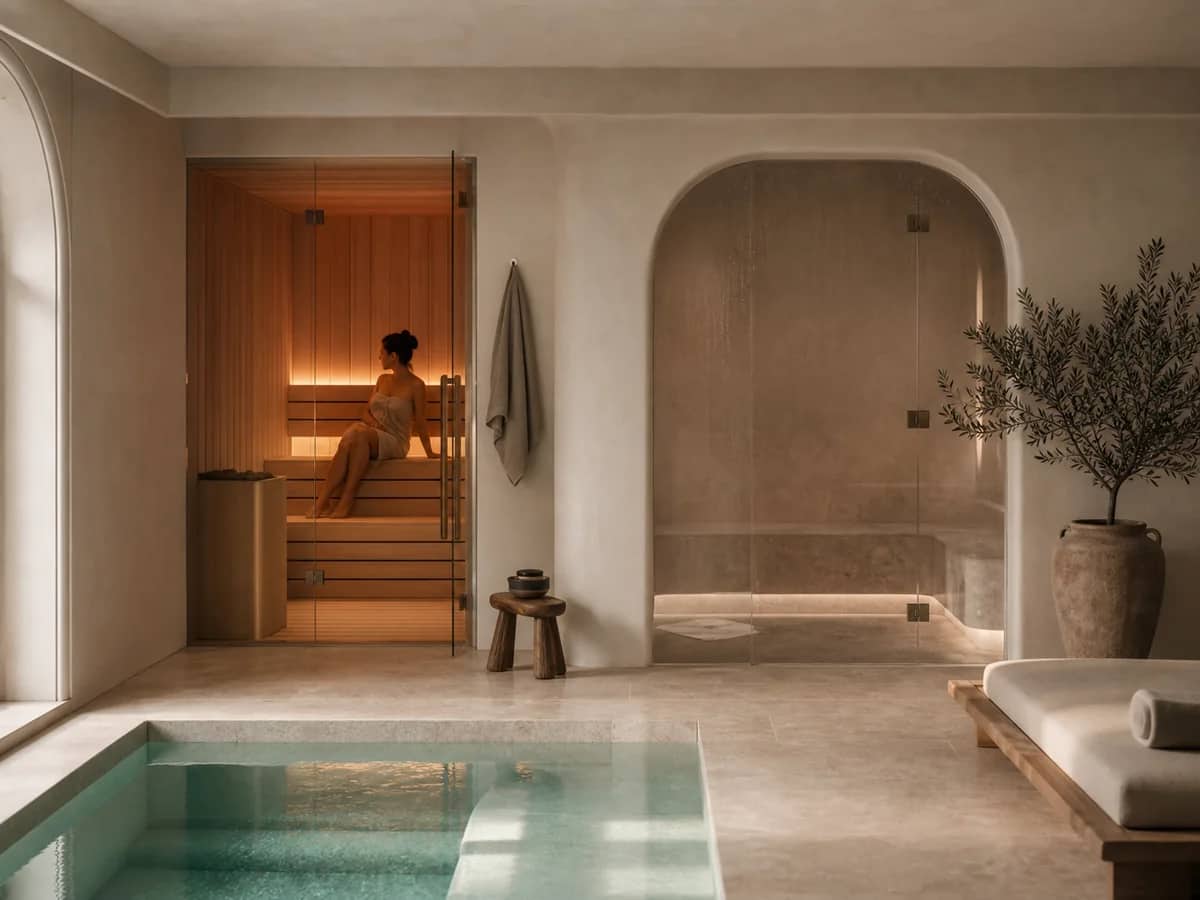 04
04// 01 · Product groups
Compare the products on this topic on their category pages.
Each card leads to a product category; models, technical sheets and list prices are there.
 Product category
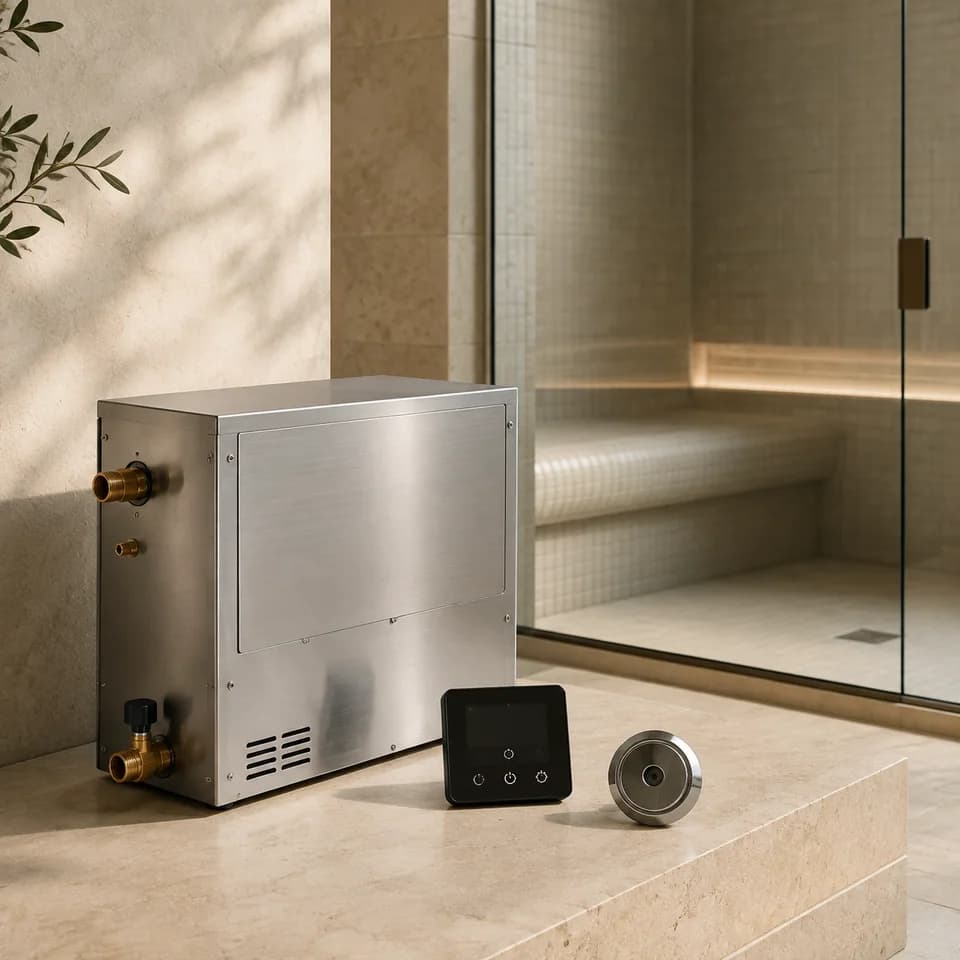
Steam Room Generators
Steam generators, ready-made steam room modules and aroma systems: the equipment that produces the steam and distributes it through the room.
View- 9 products
 Product category
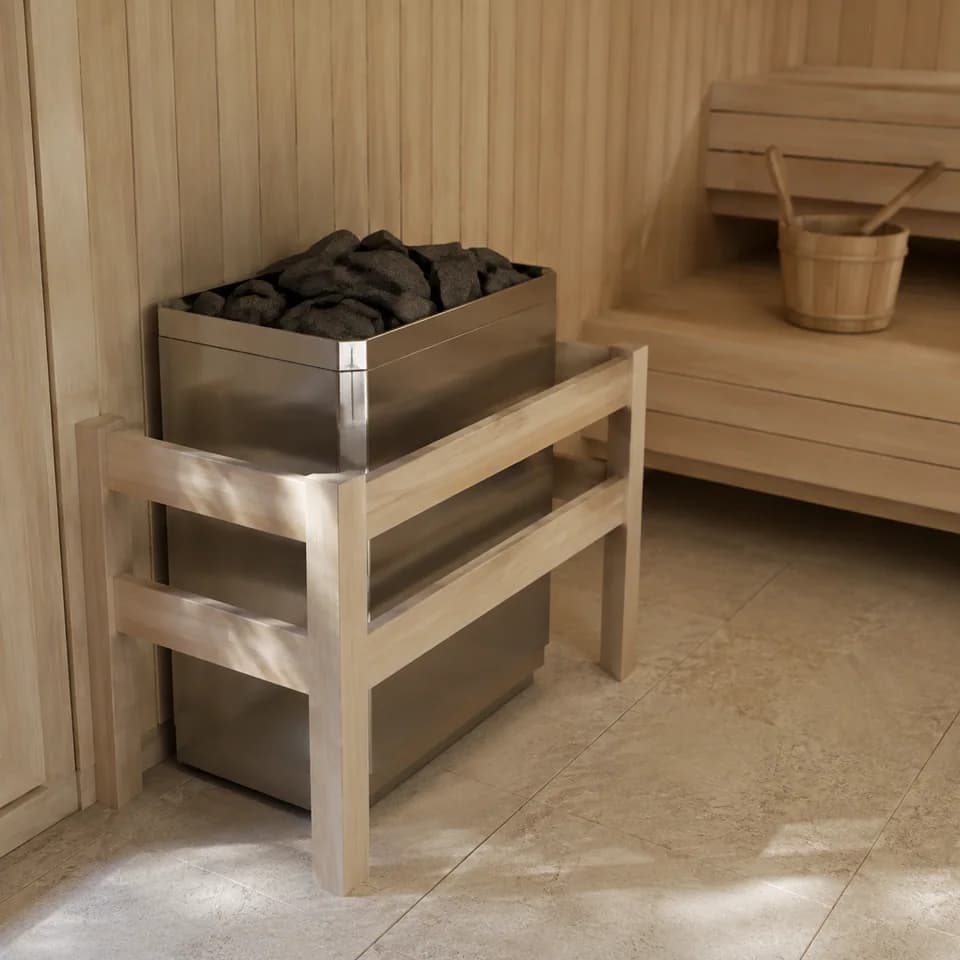
Sauna Heaters and Equipment
Finnish-type heaters, digital control panels, sauna stones and cabin fittings: complete systems for indoor and outdoor saunas.
View- 19 products
Product category
Steam Room Generators
Steam generators, ready-made steam room modules and aroma systems: the equipment that produces the steam and distributes it through the room.
9 productsProduct category
Sauna Heaters and Equipment
Finnish-type heaters, digital control panels, sauna stones and cabin fittings: complete systems for indoor and outdoor saunas.
19 products
// 02 · Related service
The work in this article, we deliver from design to handover.
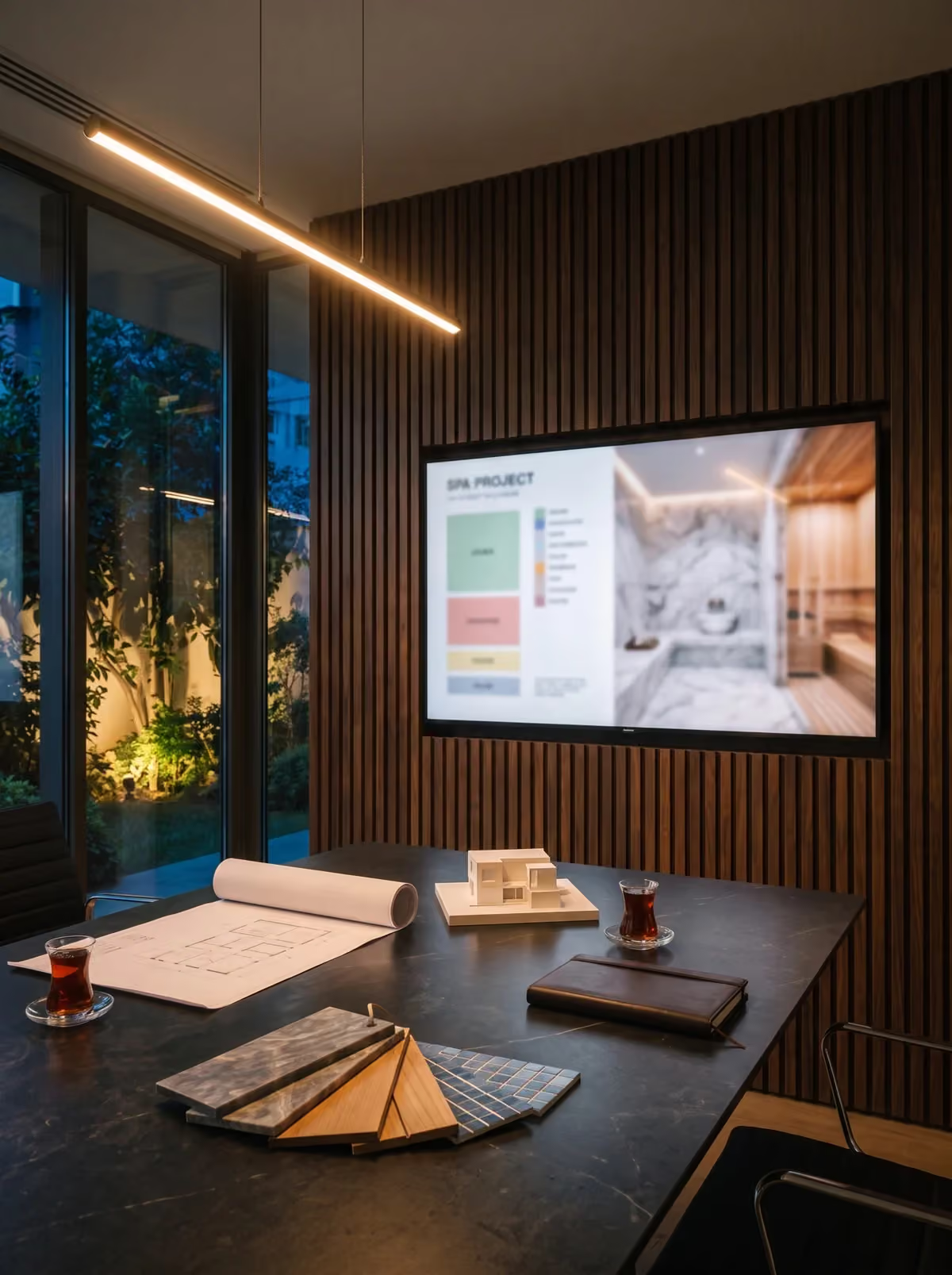
Çilek Havuz service
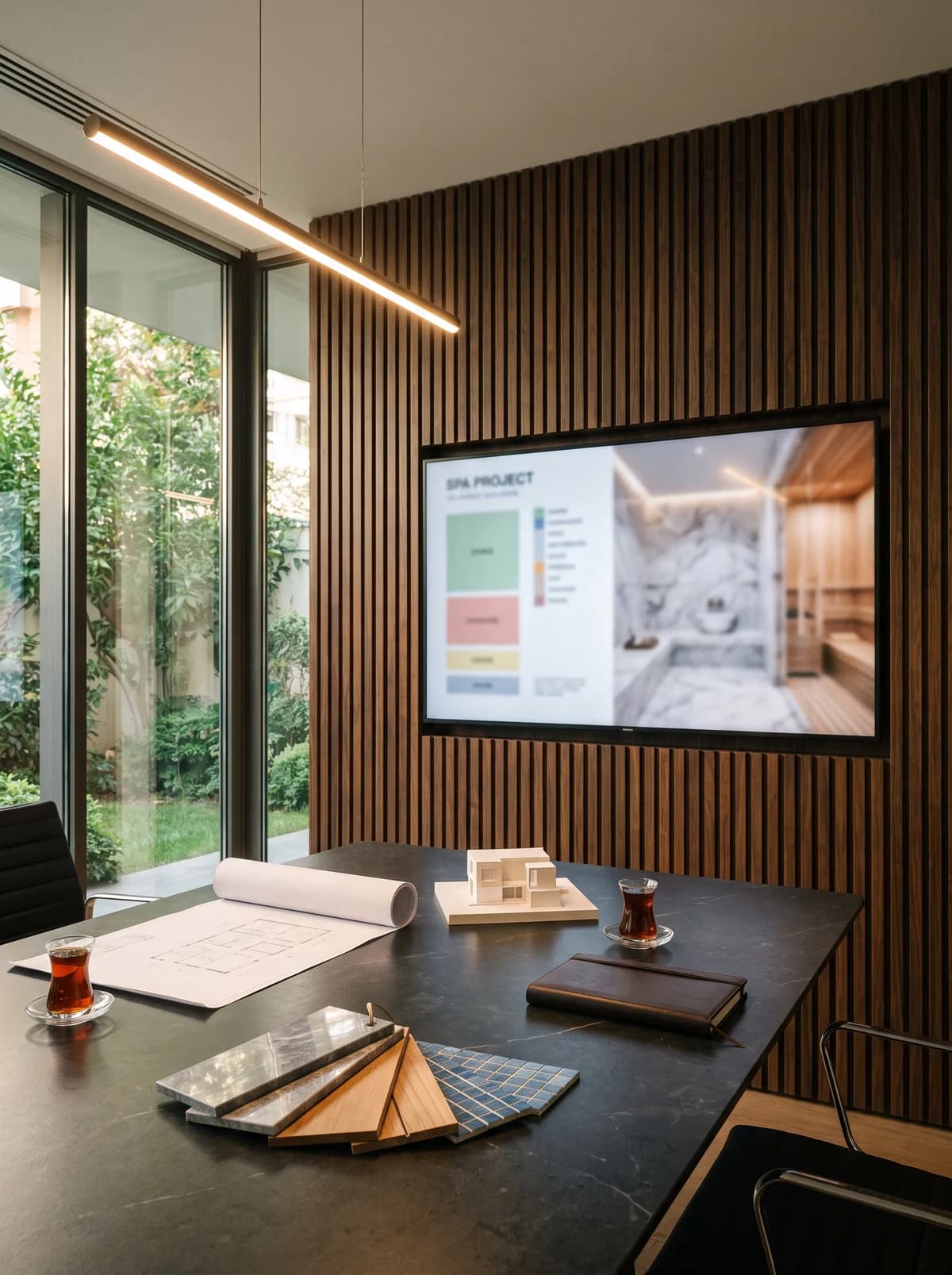
Spa & Wellness Consulting
End-to-end design consulting for wellness spaces.
How we work
- 01Initial meeting and site surveyWe inspect the site and listen to the brief.
- 02Design and quotationWe give the cost item by item, in writing.
- 03ExecutionThe same team builds to a written schedule.
- 04Handover and commissioningWe start the systems and explain their use.
- 05Maintenance and technical supportWe provide periodic maintenance and support.
// 03 · Guides
On Sauna, more articles to read.
First the articles directly related to this one, then the newest articles on the topic.
 Sauna
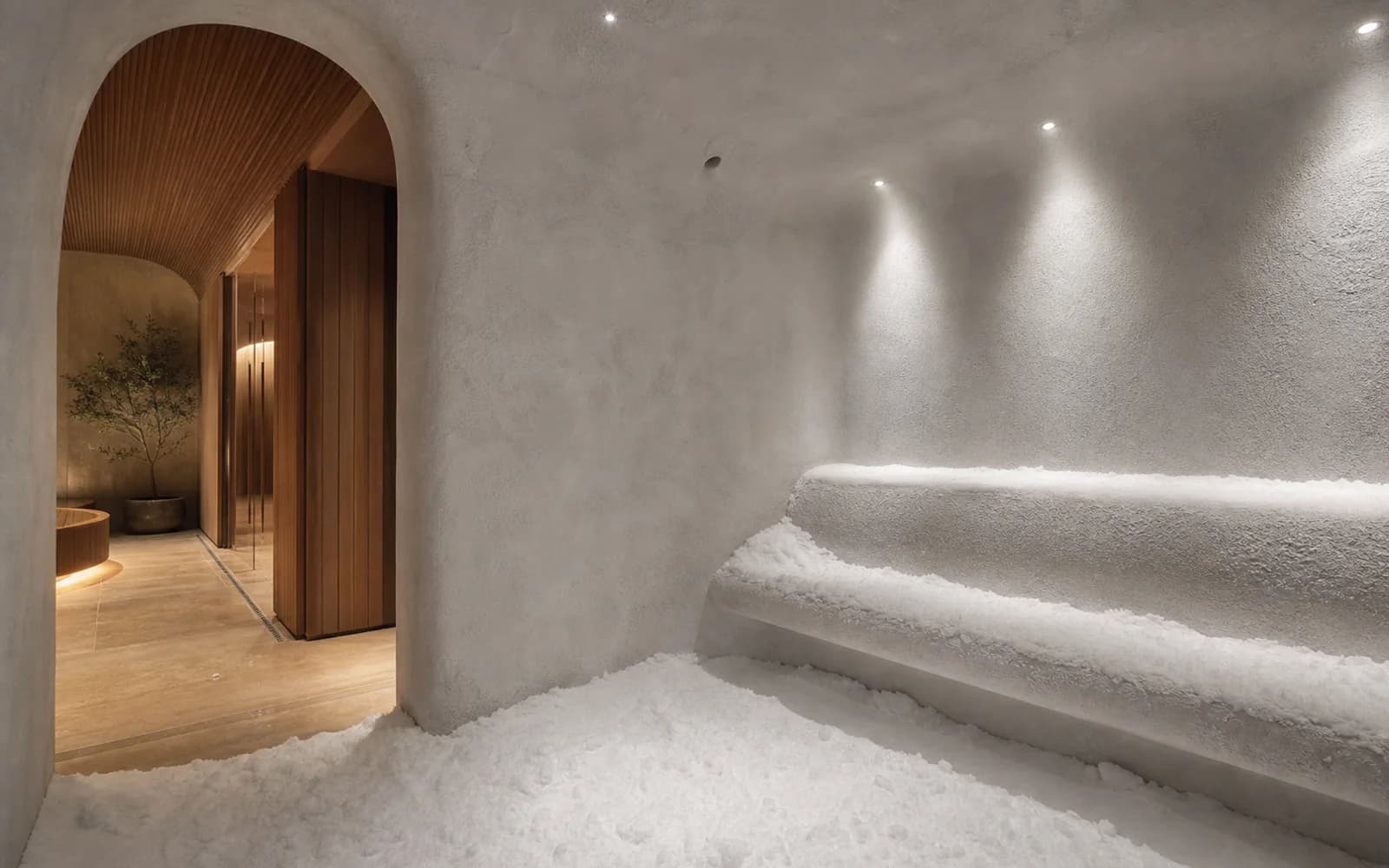
SaunaSnow Room: System, Benefits, Installation
A snow room turns the cooling phase after the sauna into a distinct experience. We explain how the system makes real snow and what installation requires.
View- 27 March 2026
- 5 min read
 Sauna
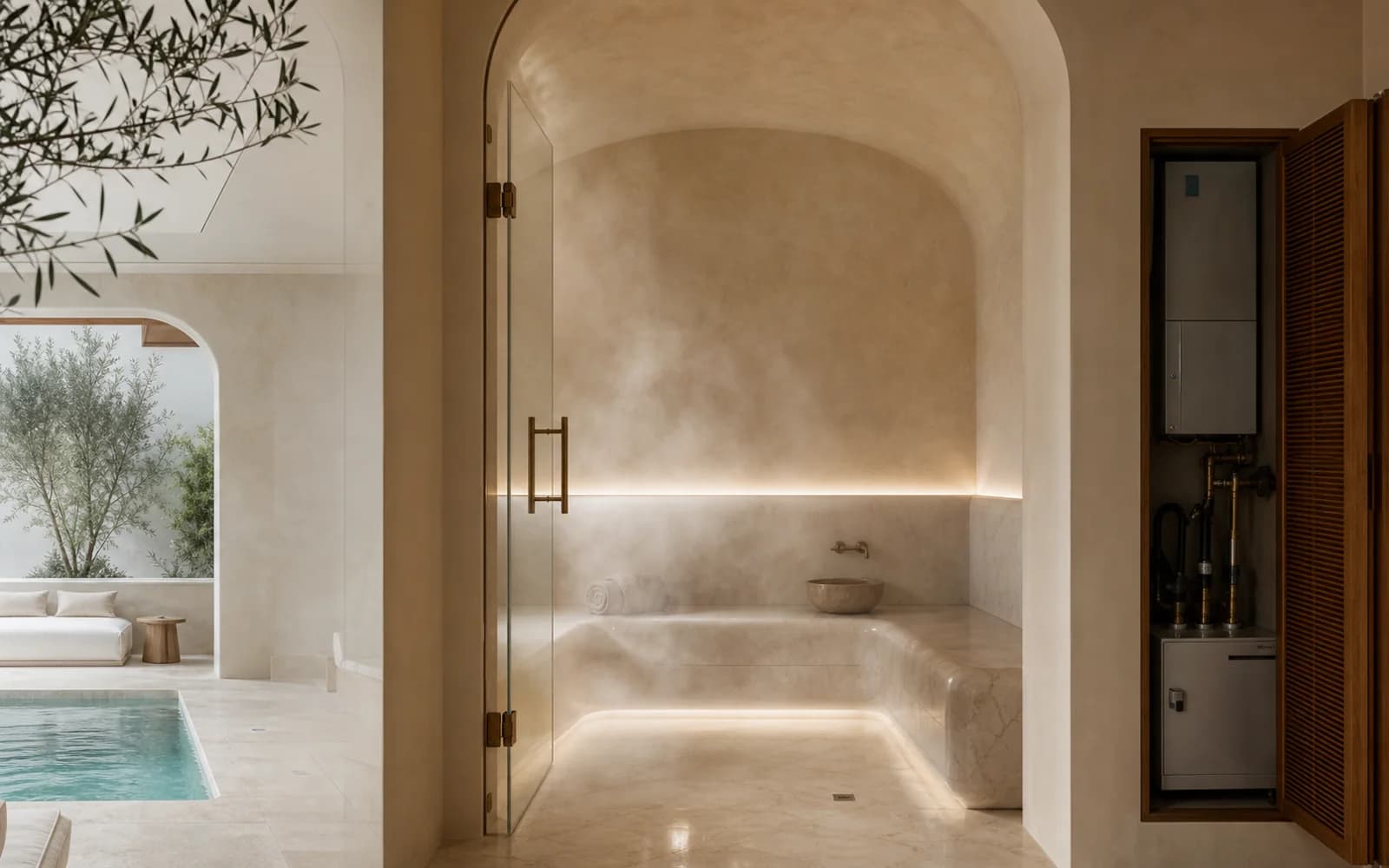
SaunaSteam Room Guide: Generator System, Temperature and Cost Factors
How does a steam room work, and how is the generator sized? The correct temperature-humidity balance, why sealing is non-negotiable, and the cost items that make up a steam room's price.
View- 16 June 2026
- 6 min read
 Sauna
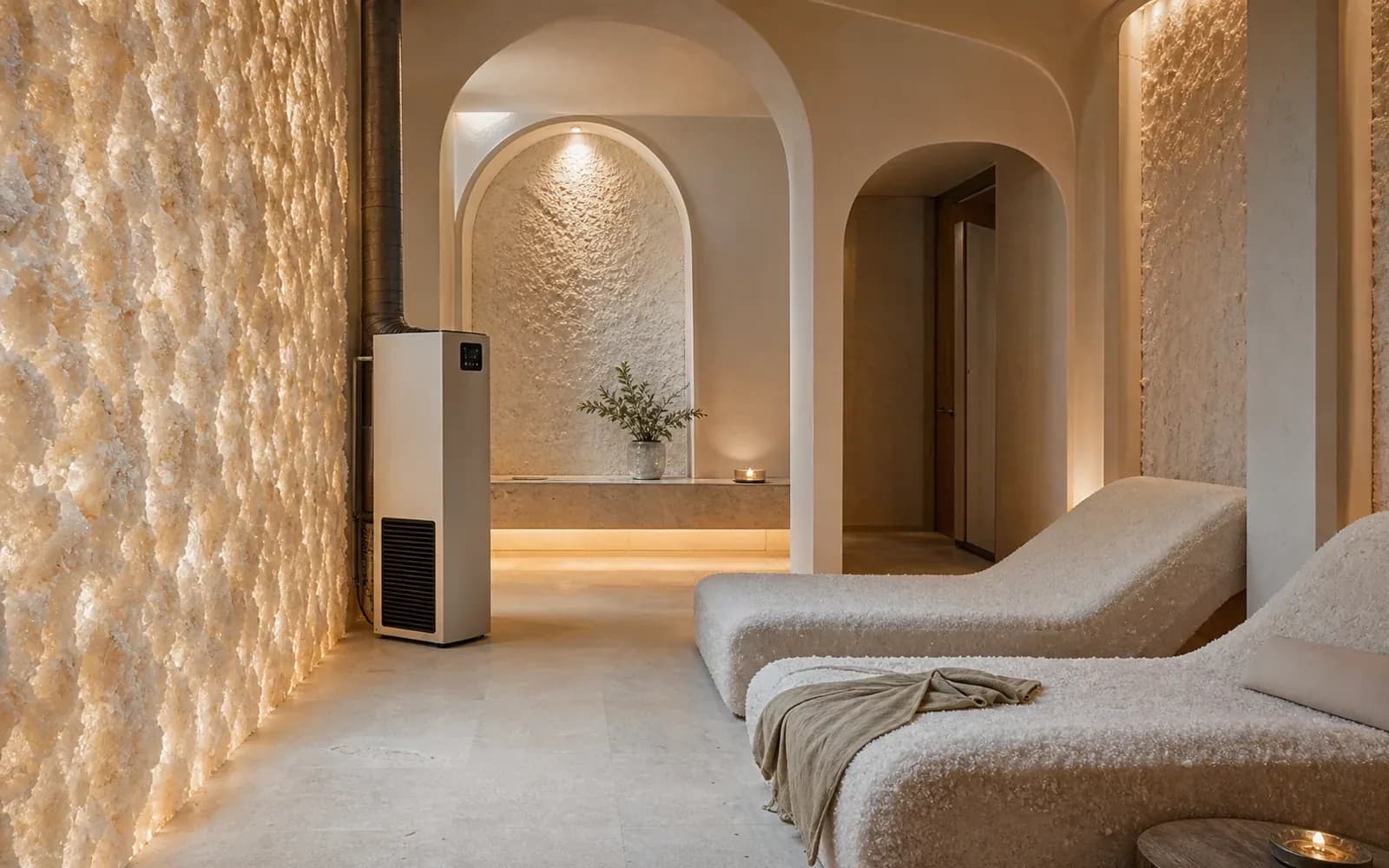
SaunaSalt Room (Halotherapy): Benefits, System and Installation
The heart of a salt room is the halogenerator, not a salt lamp. An honest guide to how it works, installation criteria and why health claims need caution.
View- 10 June 2026
- 7 min read
 Sauna
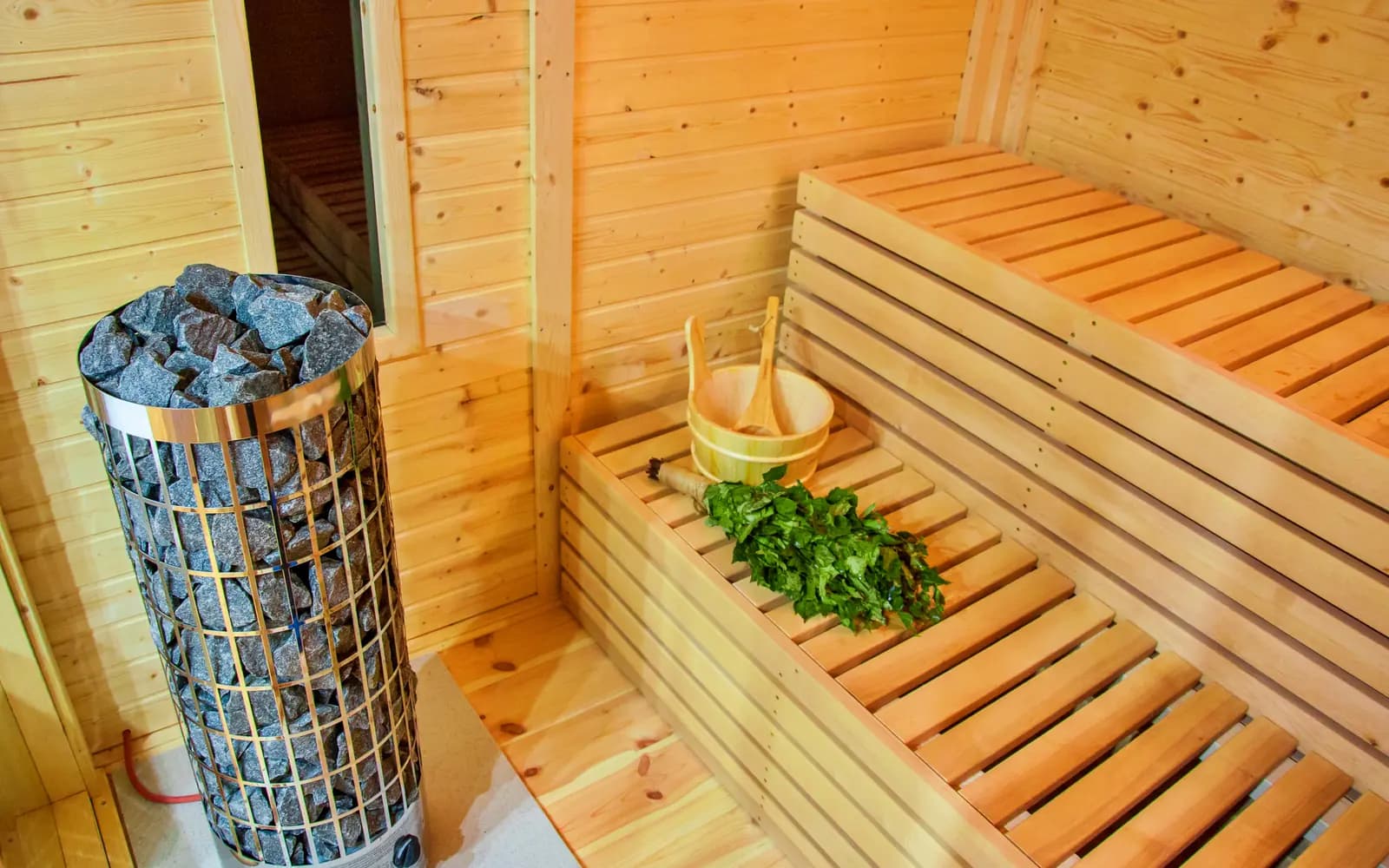
SaunaHow many kW should a sauna heater be? Sizing by cabin volume
Sauna heater size follows cabin volume: 1 kW per 1 m³ in an insulated cabin, with a correction added for glass and uninsulated surfaces.
View- 9 September 2026
- 10 min read
 Sauna
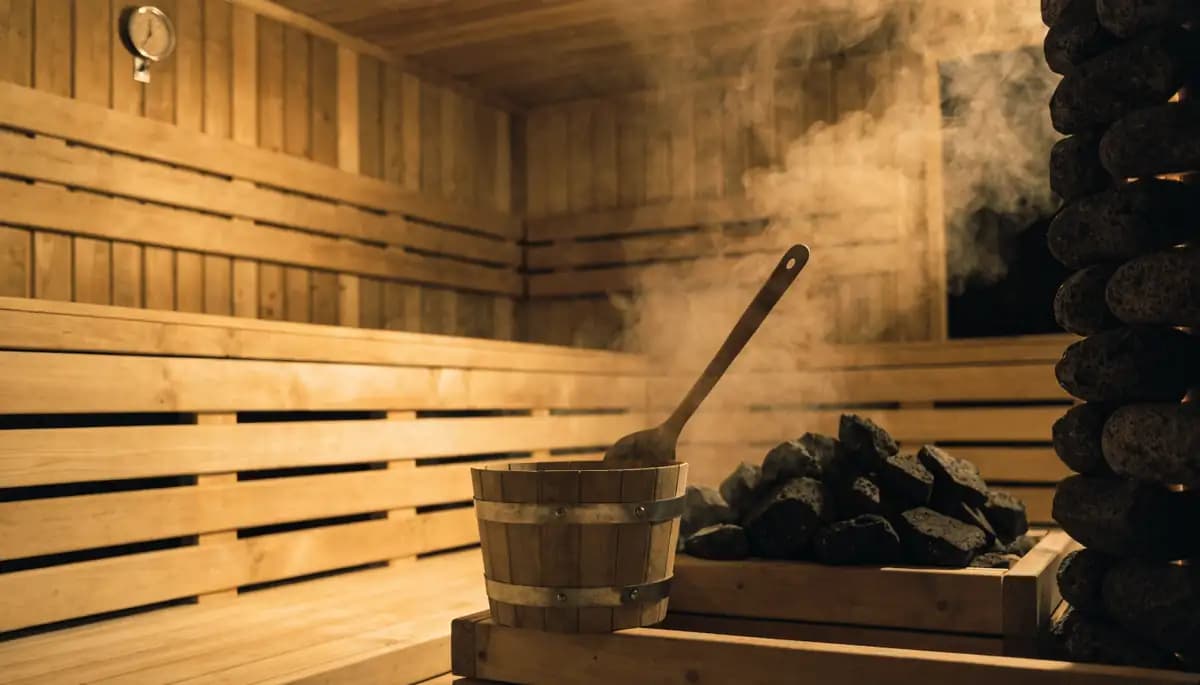
SaunaWhat Temperature Should a Sauna Be? Heat, Humidity, and Duration Guide
What's the ideal Finnish sauna temperature, and how long should a first-timer stay in? Heat-humidity balance, safe session lengths, and common mistakes.
View- 7 September 2026
- 8 min read
 Sauna
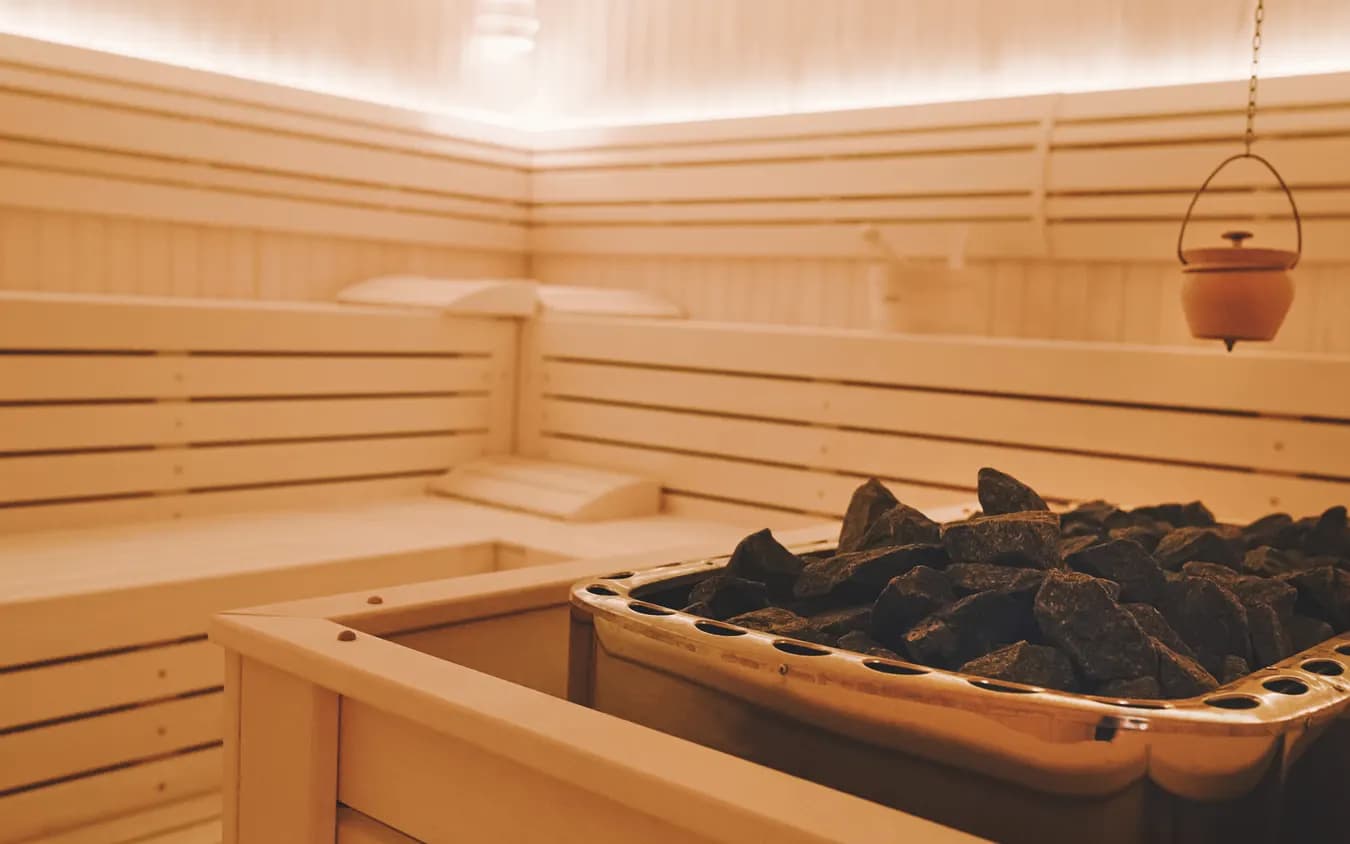
SaunaWhat is a sauna and how do you use it? Temperature, time and the right order
A classic Finnish sauna runs at 80 to 100 degrees and 10 to 20 percent humidity. How hot, how long, and in what order do you use sauna, hammam and steam room?
View- 4 September 2026
- 9 min read
- Sauna · 27 March 2026Snow Room: System, Benefits, InstallationA snow room turns the cooling phase after the sauna into a distinct experience. We explain how the system makes real snow and what installation requires.5 min read
- Sauna · 16 June 2026Steam Room Guide: Generator System, Temperature and Cost FactorsHow does a steam room work, and how is the generator sized? The correct temperature-humidity balance, why sealing is non-negotiable, and the cost items that make up a steam room's price.6 min read
- Sauna · 10 June 2026Salt Room (Halotherapy): Benefits, System and InstallationThe heart of a salt room is the halogenerator, not a salt lamp. An honest guide to how it works, installation criteria and why health claims need caution.7 min read
- Sauna · 9 September 2026How many kW should a sauna heater be? Sizing by cabin volumeSauna heater size follows cabin volume: 1 kW per 1 m³ in an insulated cabin, with a correction added for glass and uninsulated surfaces.10 min read
- Sauna · 7 September 2026What Temperature Should a Sauna Be? Heat, Humidity, and Duration GuideWhat's the ideal Finnish sauna temperature, and how long should a first-timer stay in? Heat-humidity balance, safe session lengths, and common mistakes.8 min read
- Sauna · 4 September 2026What is a sauna and how do you use it? Temperature, time and the right orderA classic Finnish sauna runs at 80 to 100 degrees and 10 to 20 percent humidity. How hot, how long, and in what order do you use sauna, hammam and steam room?9 min read
// 04 · Company & Contact
To talk about your project, call or write to us.
Legal Name
Çilek Havuz
Founded
1998 · Istanbul
Head Office
Çilek Plaza, Eyüp Sultan Mah. Yakacık Cd. Feshane Cd. No: 2 D:4 D:1, 34885 Sancaktepe / İstanbul
Service Area
All of Türkiye · exports to 14 countries
Branches
Kyrgyzstan · Egypt · Algeria · Iraq
Showroom
Plan a showroom visit
At our showroom in Çilek Plaza, Sancaktepe, you can discuss your project with our team. We recommend booking an appointment by phone before your visit.
Working Hours
- Monday – Friday · 08:00 – 17:30
- Saturday · 08:00 – 12:30
- Closed on Sunday
Frequently Asked Questions
About Sauna or Steam Room? Differences, Benefits and the Right Choice, frequently asked questions.
Çilek Havuz Corporate
Pool and Wellness Engineering
- Response Time
- Same day
- Channels
- Phone · Email · WhatsApp
If the answer you are looking for is not here, send your question directly to us and our team will reply as soon as possible.
+90 216 475 39 37Energy goes to different places: the sauna heats air to a high temperature, the steam room heats water and turns it into steam. There is no clear winner; how often the room is used, its volume and its insulation decide. Once size and equipment are fixed, we can compare the running costs in figures.
Çilek Havuz Corporate
Try both a few times, at a spa or a friend's, and notice whether you prefer dry, sharp heat or warm, moist air. If space and budget allow, building both settles the question.
Çilek Havuz Corporate
Planned together as one wellness area, the two share the relaxation space, shower plumbing, ventilation and electrical supply. This usually costs less than building them separately.
Çilek Havuz Corporate
A sauna fits more easily into a small dry space because it needs no floor drain or wet-area plumbing. A steam room needs its own plumbing and waterproofing, so it sits best next to a bathroom or other wet area.
Çilek Havuz Corporate
Neither is a medical treatment. If you have high blood pressure, a heart condition or breathing problems, talk to your doctor before using either.
Çilek Havuz Corporate
Yes. A sauna needs its timber oiled and the room aired after each session; a steam room needs clean tile surfaces and regular descaling of the steam generator.
Çilek Havuz Corporate