

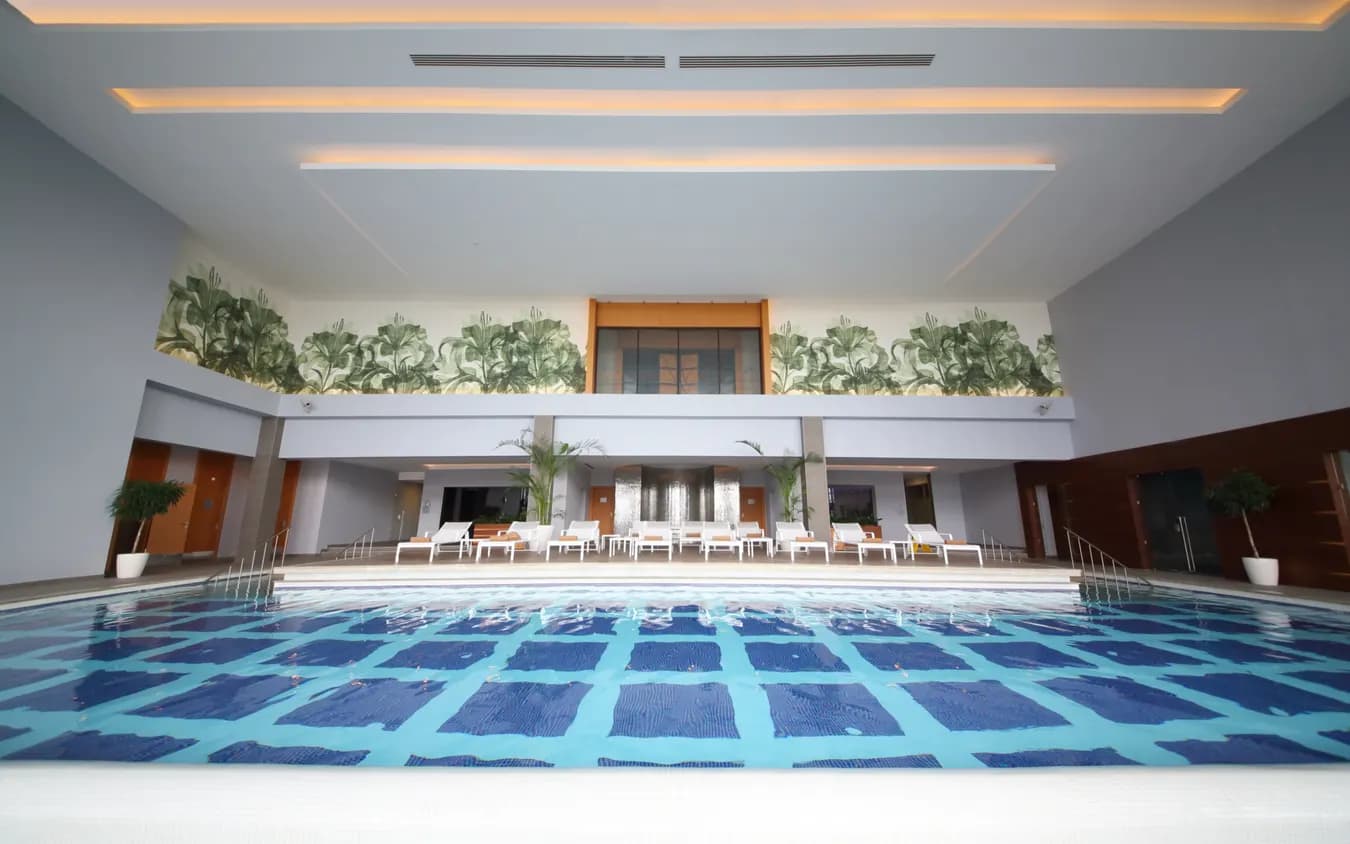
Pool Investment for Hotels and Investors: 7 Questions to Ask Before You Decide
Seven technical questions hotels and investors should settle before a pool decision: space, power supply, floor load, fire safety and operating cost.
Project Manager · Mechatronics Engineer · Çilek Havuz
- Published
- Updated
- Reading
- 5 min read
- Category
- Design
Seven technical questions hotels and investors should settle before a pool decision: space, power supply, floor load, fire safety and operating cost.
In a hotel or mixed-use building, the pool decision often comes up at a later stage of the architectural design, almost as an add-on.
Yet a pool is a system that interacts directly with the rest of the building through structural load, electrical capacity, fire installations and day-to-day operation. A question that is not asked early turns into a more expensive revision as construction moves forward.
Below are the seven points investors and hotel operators need to settle before committing to a project, set out in technical terms rather than marketing language. The pool is treated here as one of the building's engineering components, not as a piece of atmosphere.
The space requirement is not just the size of the water surface.
The overflow channel or skimmer line, the balance tank, the surrounding walkway and at least one plant room all have to be included in the calculation. Indoor pools also need a ventilation room with humidity control. A common mistake in hotel projects is to allocate space for the water surface only and then try to squeeze the plant room in later.
For projects with limited space, for example when a pool is added to an existing building, room-scale solutions also exist. Compact in-room systems on the market can be designed to take up less than 2 square metres, and in reference installations they have been integrated into a hotel room of 27-28 square metres. This is a concrete example of how the idea of a wet-area experience in every room can be scaled; in our own projects we work out space planning separately for each building, based on its own constraints.
Once the pump set, filtration, heating (heat pump or electric heater), UV or ozone disinfection unit, lighting and automation panel are considered together, the pool should be treated as a separate load centre in the building's electrical design.
If this load is added to the building's overall electrical design too late, it leads to revisions of panels and cable runs, and in some cases the transformer capacity has to be reassessed.
On the automation side, dosing and circulation systems are expected to run without interruption, so the priority of the pool plant room must be defined in the generator or UPS plan. Which equipment stays online during a power cut should be decided at the design stage.
The static load of a filled pool is roughly one tonne per cubic metre of water, and this load, together with the surrounding walkway and finishing materials, is transferred to the building's load-bearing structure.
On the ground floor or in an area in contact with soil, this is usually handled within the existing structural design. The situation is different when the pool is planned on a mezzanine, a terrace or the upper floors of a multi-storey hotel.
In such projects the structural calculation should run in parallel with the architectural design, not after it. Otherwise the location, size or depth of the pool may later have to be reduced to meet the structural engineer's approval. If the investor asks for this calculation at the very start of the project decision, before moving to construction drawings, the risk of revisions in later stages goes down.
If the pool area sits on or near escape routes, it requires a separate assessment under fire regulations.
The electrical equipment in the plant room, chemical storage (such as chlorine and pH adjusters) and the ventilation these need are items that must be included in the building's overall fire safety design.
The chemical storage area should be planned separately from other technical rooms in terms of fire suppression and ventilation; this separation matters both for safety and for insurance. In hotel projects this detail is a checkpoint that often comes up during the fire department permit process.
Closing the pool completely in a hotel directly affects the guest experience and occupancy.
That is why the frequency of periodic work such as filter replacement, surface maintenance or equipment overhauls should be defined at the design stage; this allows the operator to schedule maintenance for low-occupancy periods.
Simple measures such as a standby pump or a spare filter line can bring the pool back into service within hours instead of days after an unplanned failure. Redundancy decisions like these add a little to the initial investment budget, but they are worth it for operational continuity.
The operating cost of a pool has four main items: energy (heating and pump consumption), chemical consumption, make-up water and a periodic maintenance and service contract.
Each of these depends on the efficiency of the chosen equipment and on how intensively the pool is used, so quoting a fixed figure across projects would be misleading.
What really helps the investor is being able to see the difference between equipment with a low purchase cost but high running costs, and equipment that costs somewhat more up front but runs more efficiently over the long term. Systems such as heat pumps, variable-frequency pumps and automatic dosing are options that shift this balance in favour of operation.
In a hotel, a pool should be seen less as a unit that earns revenue directly through tickets or usage fees and more as an amenity that pushes up occupancy and the average daily rate.
The pricing gap between a property with a pool and spa and one without, in the same area and the same category, is an indicator of the indirect return on this investment.
The ROI calculation should also include the cross-selling potential of spa, massage and wellness services; the pool area is often where these services are sold. An investor who clarifies these seven topics at the very start of the project decision will face fewer risks later on, such as architectural revisions, extra costs or permit delays.
Next step
Let us discuss your project in the way that suits you best.
You can fill in the form for a written quote, schedule a video project presentation or ask us to survey your project site.
Get a Quote
Send us your dimensions and expectations in writing.
Online presentation
Video project presentation
On-site survey
Inspection at your project site
// 01 · Products in this article
For the work described in this article, pool heating systems.
Each card leads to the product page with its data sheet, model list and quotation.
- 1 model
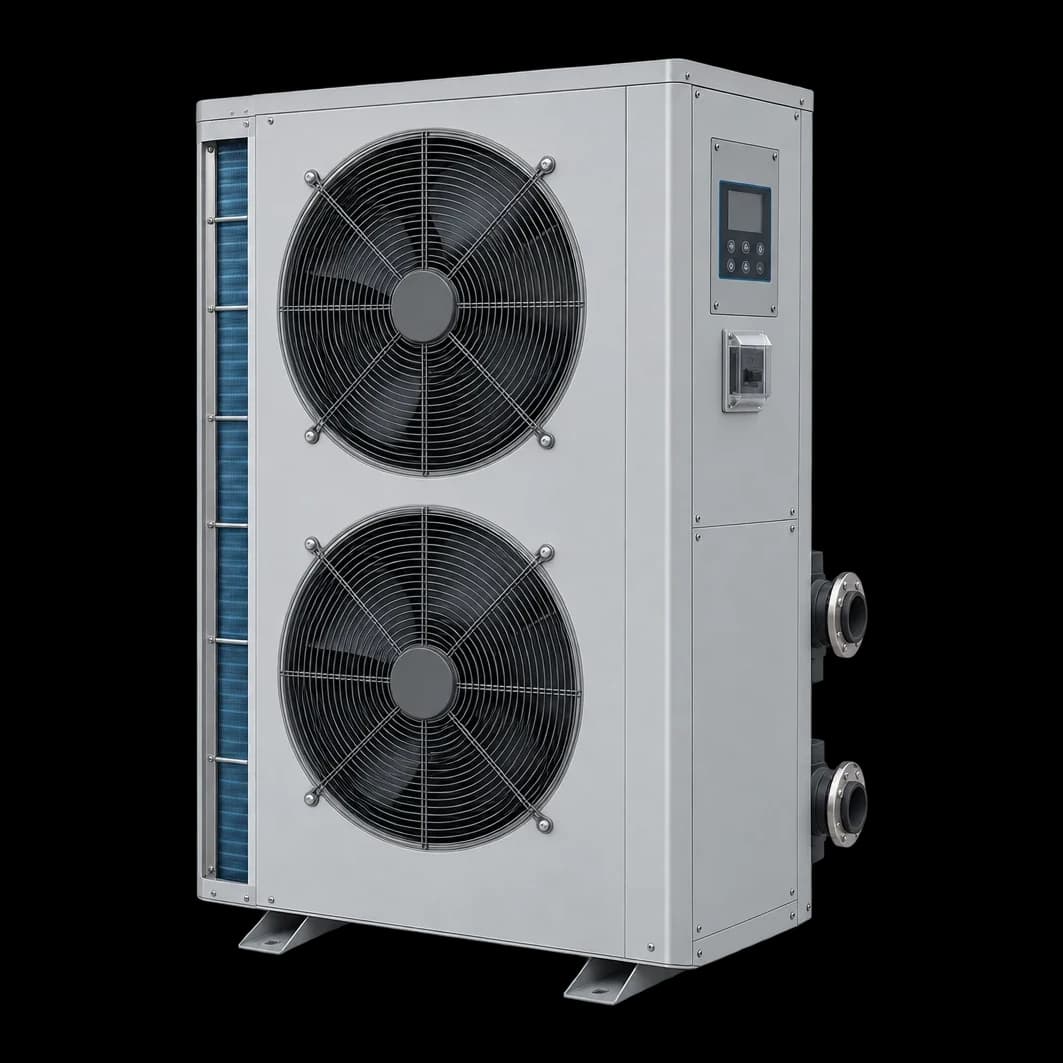
- 4 models

- 6 models

// 02 · Product groups
Compare the products on this topic on their category pages.
Each card leads to a product category; models, technical sheets and list prices are there.
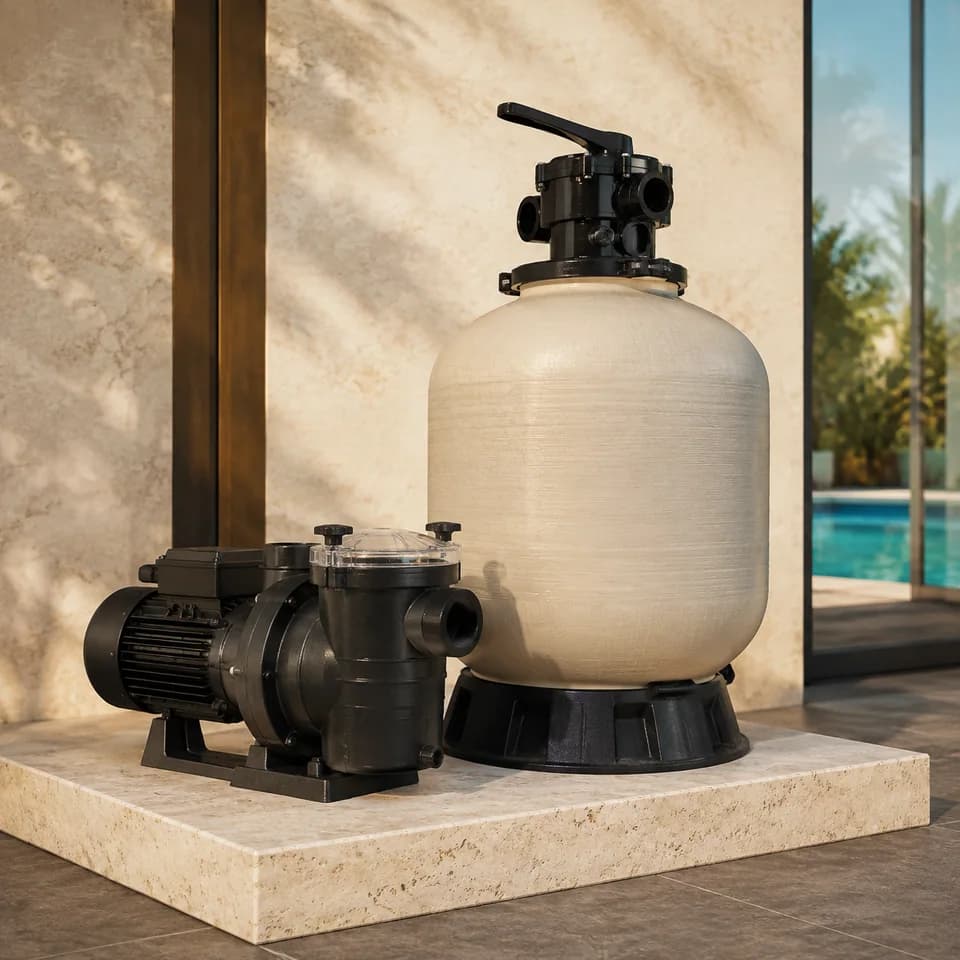 Product category
Pool Mechanical Equipment
Circulation pumps, filters, valves and automation: the mechanical infrastructure that forms the heart of the pool.
View- 65 products
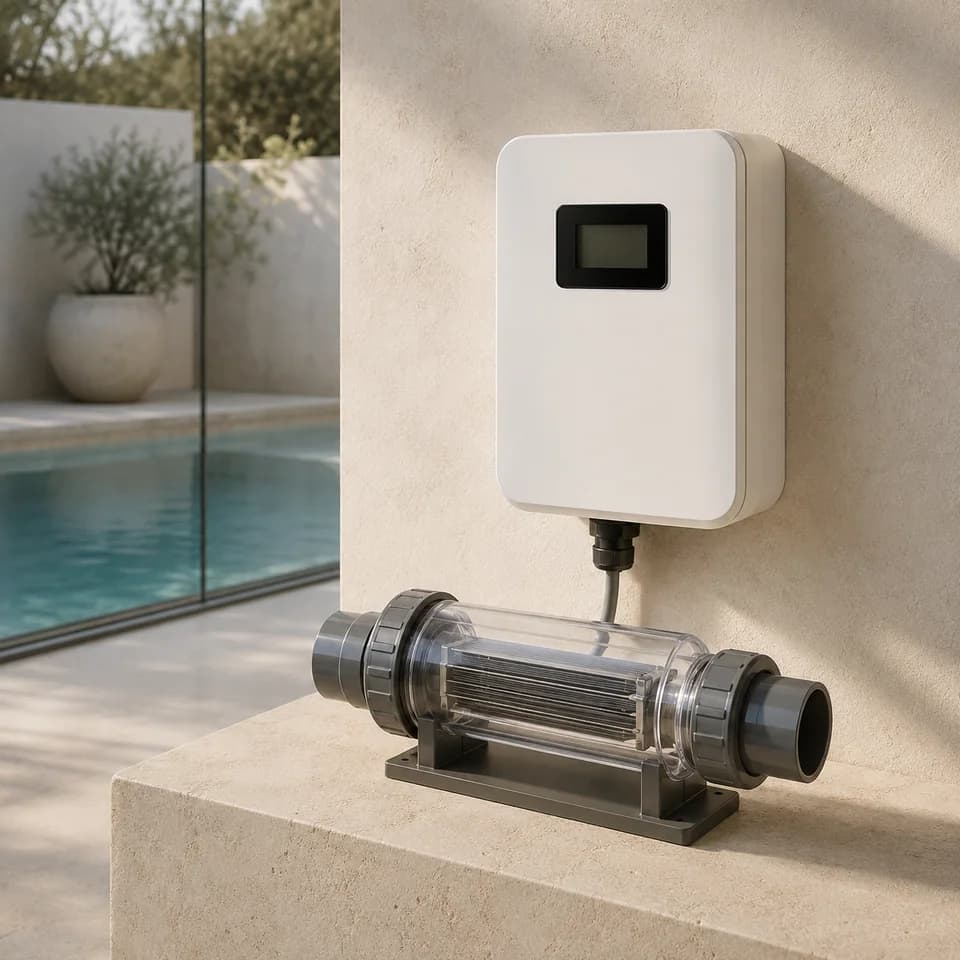 Product category
Pool Disinfection Systems
Fully automatic pool water disinfection that reduces chemical use with salt electrolysis, UV disinfection and smart dosing systems.
View- 52 products
Product category
Pool Mechanical Equipment
Circulation pumps, filters, valves and automation: the mechanical infrastructure that forms the heart of the pool.
65 productsProduct category
Pool Disinfection Systems
Fully automatic pool water disinfection that reduces chemical use with salt electrolysis, UV disinfection and smart dosing systems.
52 products
// 03 · Related service
The work in this article, we deliver from design to handover.
Çilek Havuz service
Pool Consulting
Expert consulting on project, materials and budget.
How we work
- 01Initial meeting and site surveyWe inspect the site and listen to the brief.
- 02Design and quotationWe give the cost item by item, in writing.
- 03ExecutionThe same team builds to a written schedule.
- 04Handover and commissioningWe start the systems and explain their use.
- 05Maintenance and technical supportWe provide periodic maintenance and support.
// 04 · Guides
On Design, more articles to read.
First the articles directly related to this one, then the newest articles on the topic.
 Pool Construction
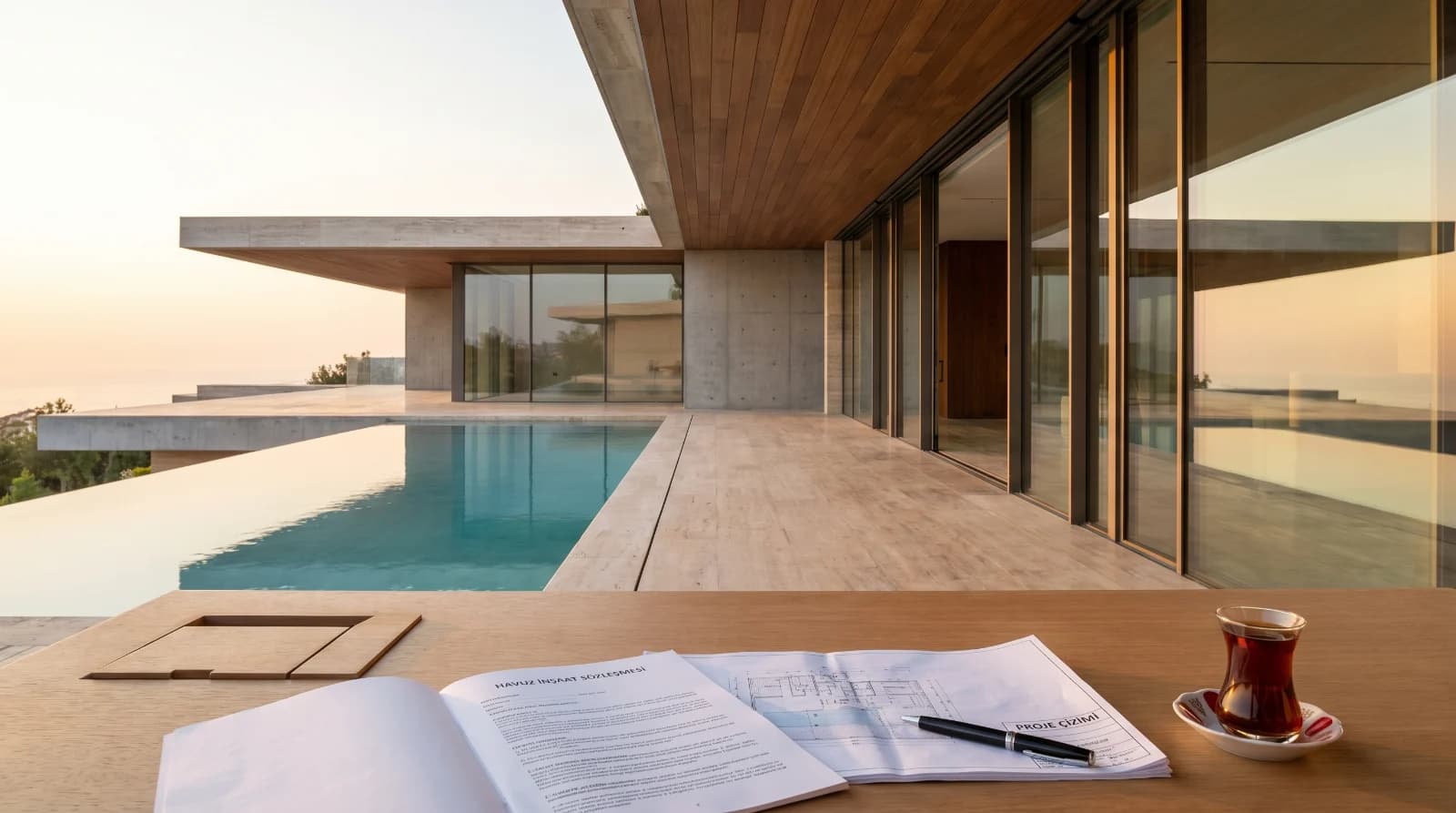
10 Clauses Every Pool Construction Contract Should Include
The price gap between two pool quotes is usually a gap in scope hidden in the contract. We explain the 10 clauses to check before you sign it.
View- 2 September 2026
- 8 min read
 Pool Construction
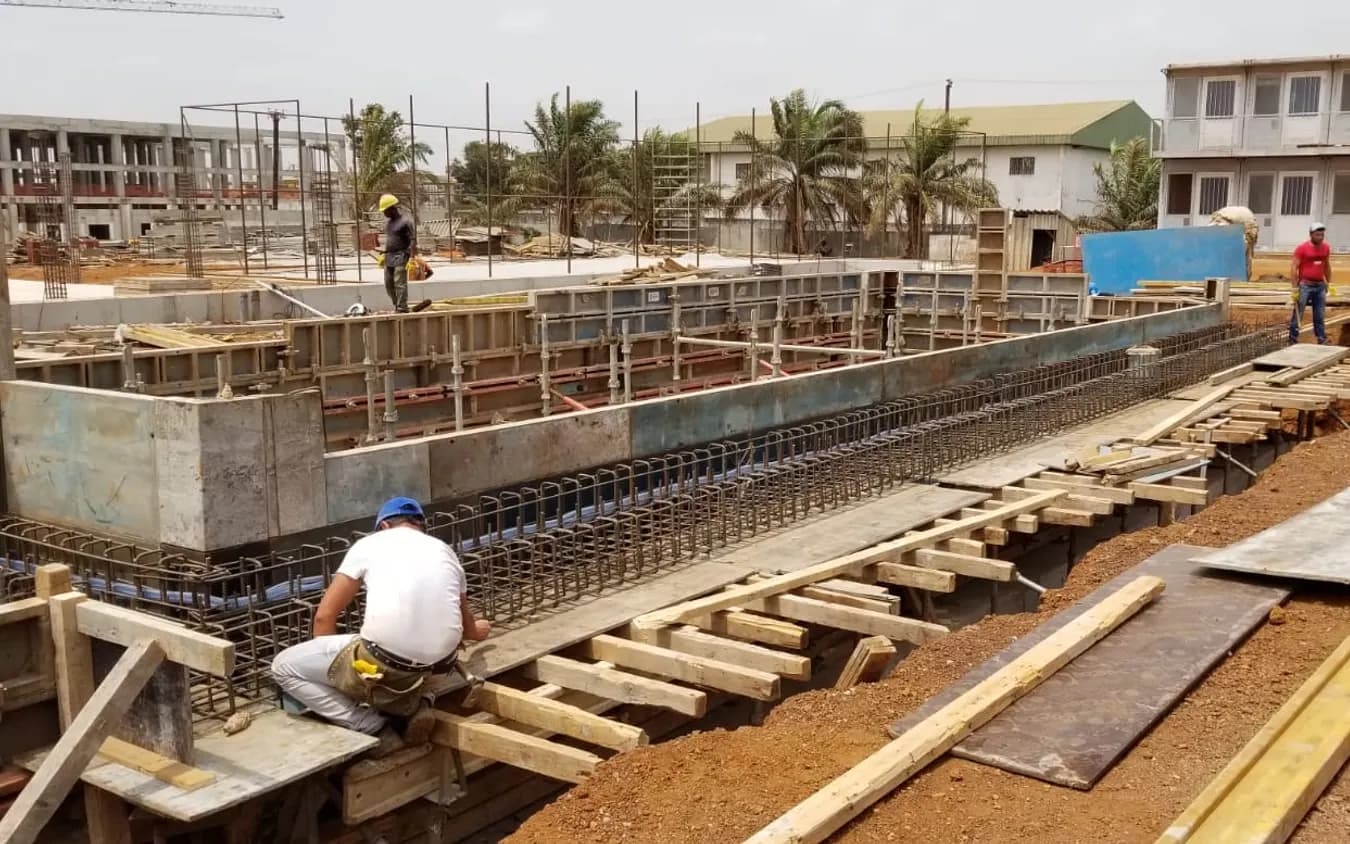
How to choose a pool builder: 12 questions to ask
Pool quotes differ mostly in scope, not price. Learn which documents to request, which questions to ask and which answers should make you stop.
View- 4 September 2026
- 8 min read
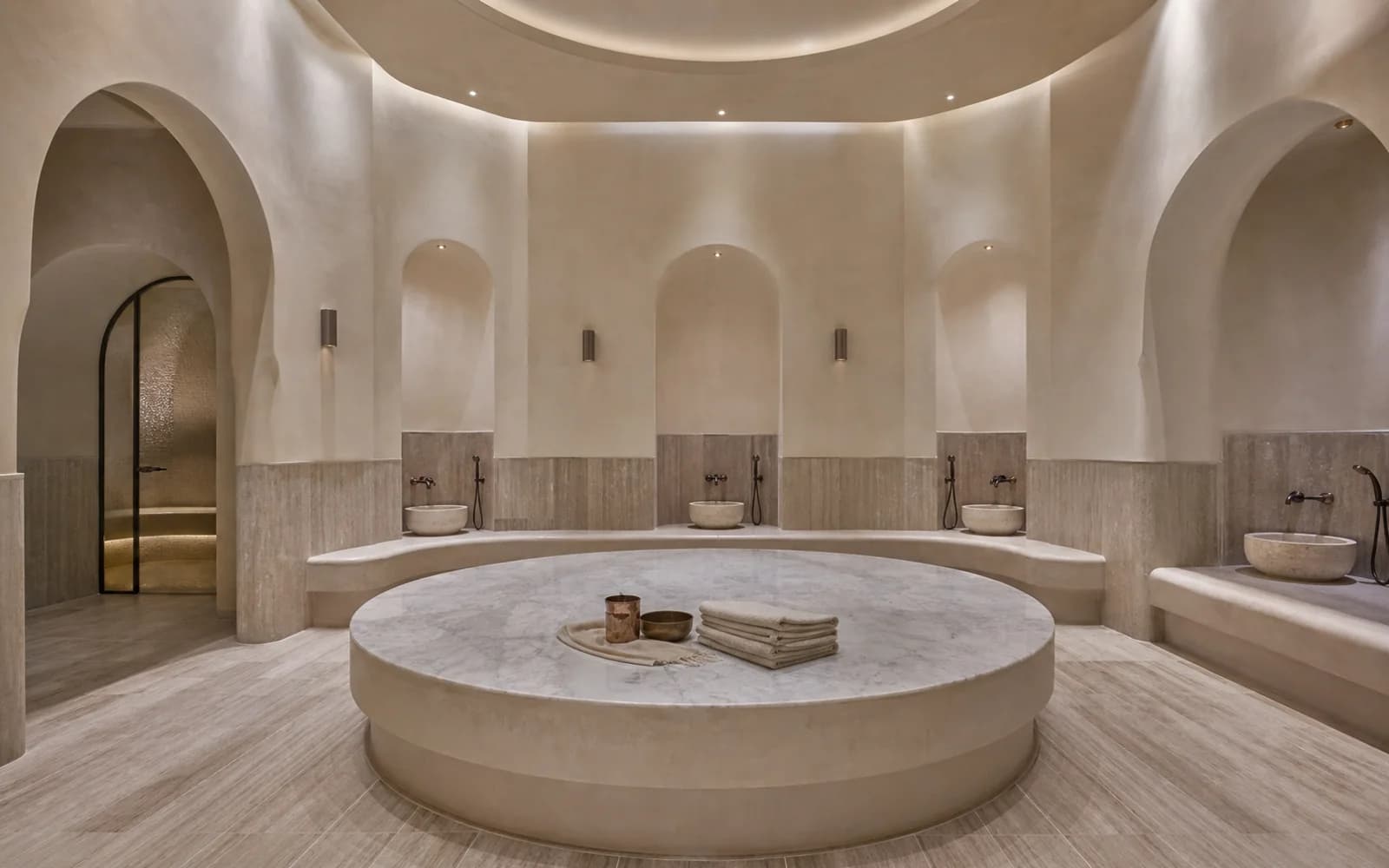 Turkish Bath
Hotel and Commercial Turkish Bath: Solutions for Heavy Use
Commercial hammam design for hotels, spas and thermal facilities: capacity planning, hygiene rules, durable materials and control of operating costs.
View- 21 March 2026
- 5 min read
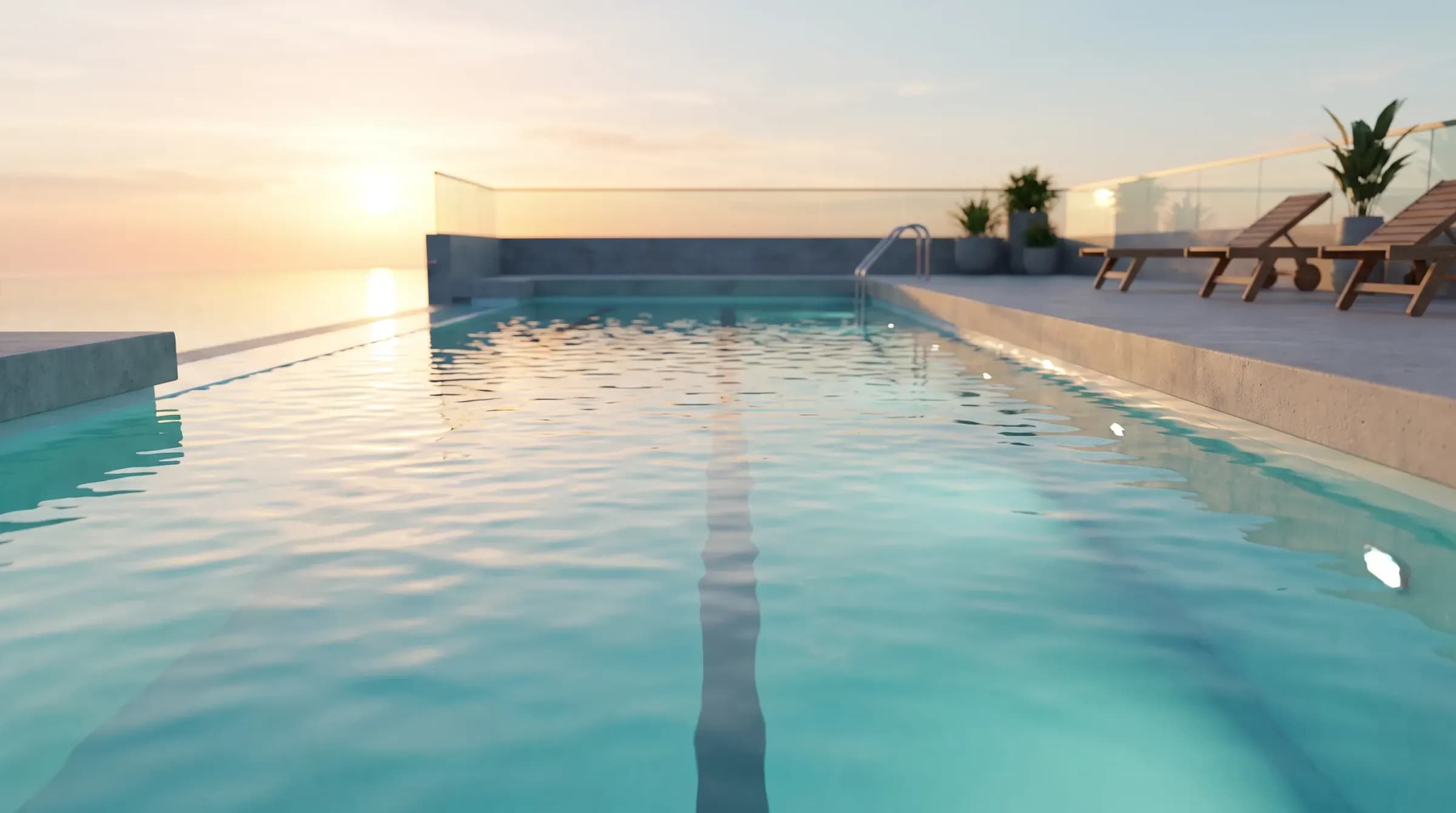 Design
What Are the Health Benefits of Regular Swimming?
Swimming is a full-body exercise that puts little load on the joints. We look at its benefits for the heart and general fitness without giving medical advice.
View- 30 August 2026
- 5 min read
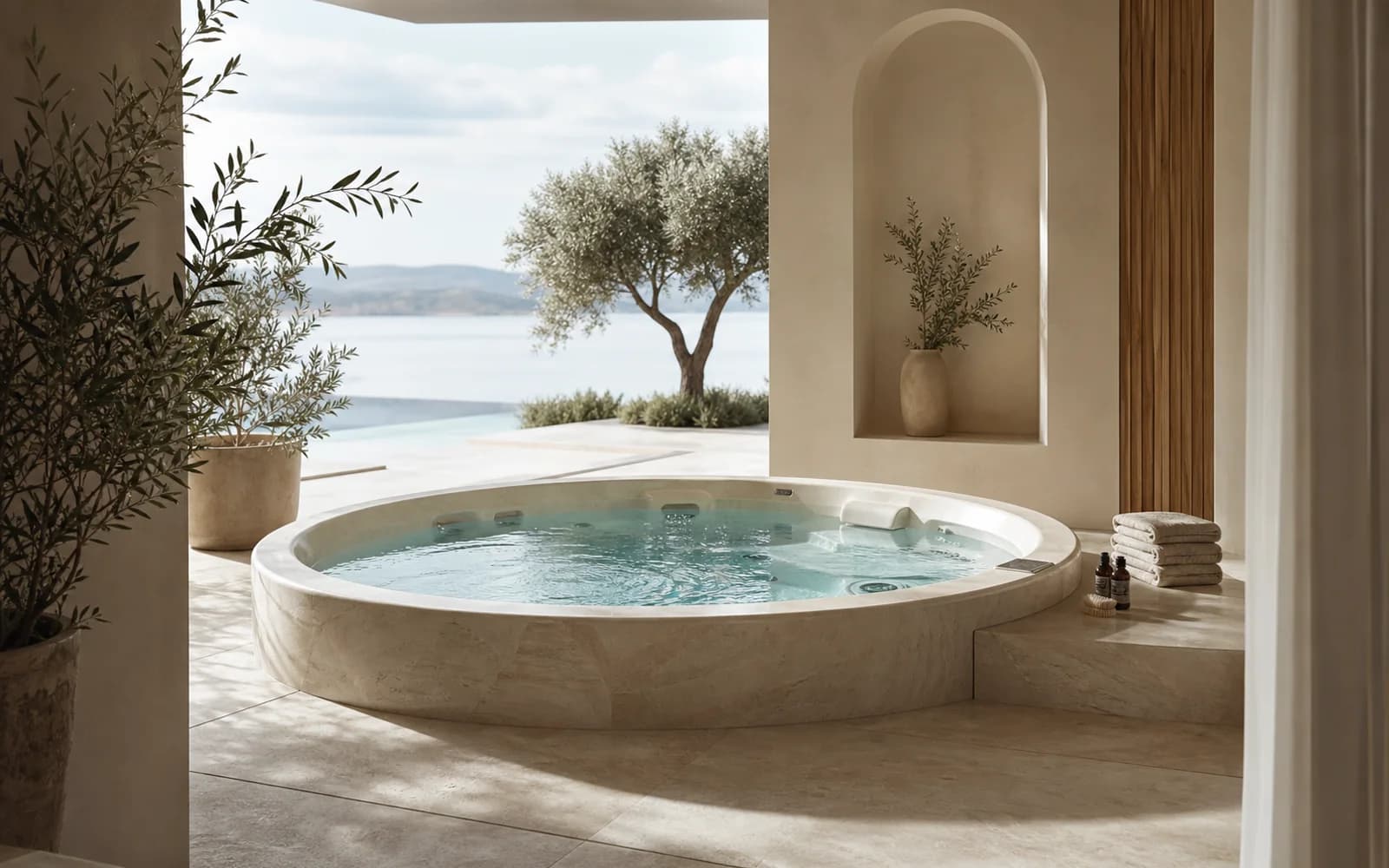 Design
Jacuzzi Selection Guide: How to Determine Size, Type and the Right Placement
The right jacuzzi isn't a product picked from a catalog; it's an engineering decision that fits your space.
View- 29 May 2026
- 6 min read
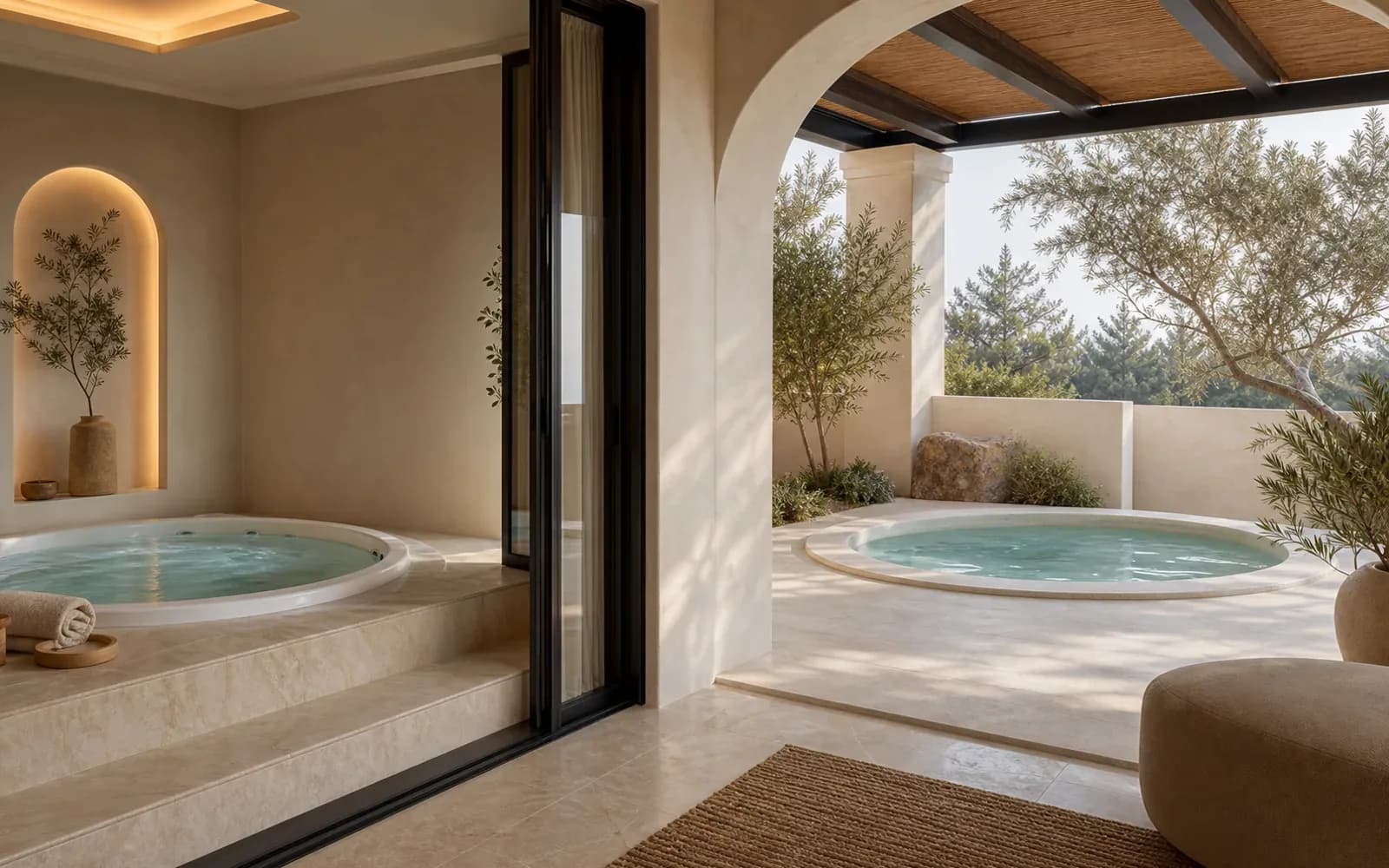 Design
Home Jacuzzi: The Right Solution by Location, from Indoors to the Terrace
An indoor jacuzzi and one sitting on the terrace demand entirely different engineering, even if they're the same product.
View- 26 May 2026
- 6 min read
- Pool Construction · 2 September 202610 Clauses Every Pool Construction Contract Should IncludeThe price gap between two pool quotes is usually a gap in scope hidden in the contract. We explain the 10 clauses to check before you sign it.8 min read
- Pool Construction · 4 September 2026How to choose a pool builder: 12 questions to askPool quotes differ mostly in scope, not price. Learn which documents to request, which questions to ask and which answers should make you stop.8 min read
- Turkish Bath · 21 March 2026Hotel and Commercial Turkish Bath: Solutions for Heavy UseCommercial hammam design for hotels, spas and thermal facilities: capacity planning, hygiene rules, durable materials and control of operating costs.5 min read
- Design · 30 August 2026What Are the Health Benefits of Regular Swimming?Swimming is a full-body exercise that puts little load on the joints. We look at its benefits for the heart and general fitness without giving medical advice.5 min read
- Design · 29 May 2026Jacuzzi Selection Guide: How to Determine Size, Type and the Right PlacementThe right jacuzzi isn't a product picked from a catalog; it's an engineering decision that fits your space.6 min read
- Design · 26 May 2026Home Jacuzzi: The Right Solution by Location, from Indoors to the TerraceAn indoor jacuzzi and one sitting on the terrace demand entirely different engineering, even if they're the same product.6 min read
// 05 · Company & Contact
To talk about your project, call or write to us.
Legal Name
Çilek Havuz
Founded
1998 · Istanbul
Head Office
Çilek Plaza, Eyüp Sultan Mah. Yakacık Cd. Feshane Cd. No: 2 D:4 D:1, 34885 Sancaktepe / İstanbul
Service Area
All of Türkiye · exports to 14 countries
Branches
Kyrgyzstan · Egypt · Algeria · Iraq
Showroom
Plan a showroom visit
At our showroom in Çilek Plaza, Sancaktepe, you can discuss your project with our team. We recommend booking an appointment by phone before your visit.
Working Hours
- Monday – Friday · 08:00 – 17:30
- Saturday · 08:00 – 12:30
- Closed on Sunday
Frequently Asked Questions
About Pool Investment for Hotels and Investors, frequently asked questions.
Çilek Havuz Corporate
Pool and Wellness Engineering
- Response Time
- Same day
- Channels
- Phone · Email · WhatsApp
If the answer you are looking for is not here, send your question directly to us and our team will reply as soon as possible.
+90 216 475 39 37Yes, but the suitability of the existing building has to be confirmed by an engineering survey. The survey covers structural load, electrical capacity and fire installations. This survey is the first step that determines whether the project is feasible.
Çilek Havuz Corporate
In hotels with limited space, room-integrated solutions can be considered instead of a central spa area. In-room systems taking up less than 2 square metres are available. The decision should be based on the target guest profile and the existing space constraints.
Çilek Havuz Corporate
The process usually starts with the architectural layout plan and any available structural design data. The investor's usage scenario (daily capacity, target audience, indoor or outdoor preference) is clarified at the same stage. This information allows the site survey and quotation stage to run smoothly.
Çilek Havuz Corporate
No. They vary with the building's occupancy class, number of floors and escape route layout. That is why the location of the pool plant room and the chemical storage area must be determined specifically for each project.
Çilek Havuz Corporate
Efficiency-focused equipment such as heat pumps, variable-frequency pumps and automatic dosing raises the initial investment somewhat. In return it reduces annual energy and chemical costs. The decision should be based not only on the installation price but on the total cost spread over several years.
Çilek Havuz Corporate