

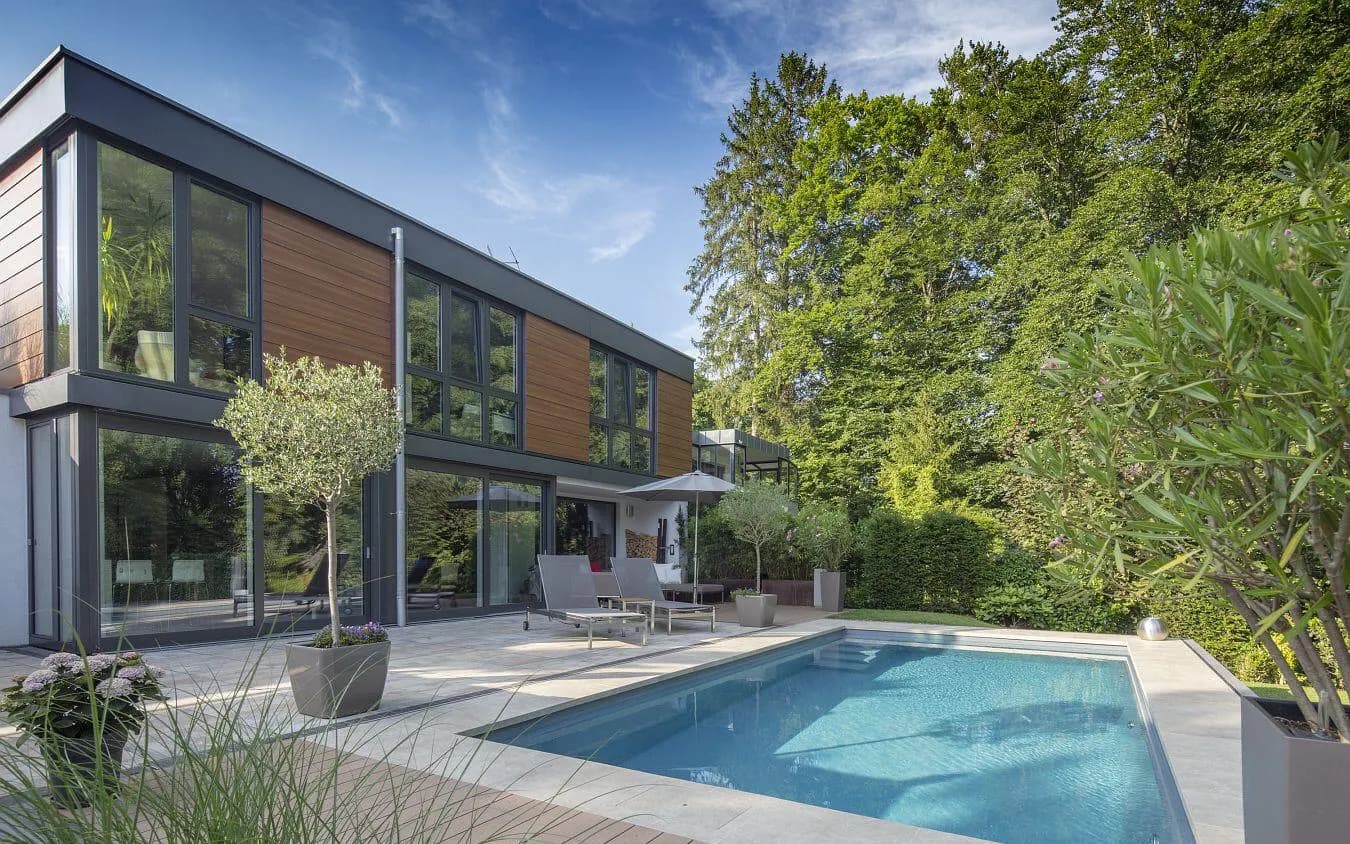
Building a Garden Pool: Location, Size and Fitting It to Your Garden
With a garden pool, the real decision is not the pool itself but where it sits. Tree roots, sun direction, the neighbour's boundary, machine access and the space left after the pool: these five shape the finished garden.
Project Manager · Mechatronics Engineer · Çilek Havuz
- Published
- Updated
- Reading
- 7 min read
- Category
- Pool Construction
With a garden pool, the real decision is not the pool itself but where it sits. Tree roots, sun direction, the neighbour's boundary, machine access and the space left after the pool: these five shape the finished garden.
Most people who put a pool in their garden start with the size.
From what we see on site, location is what really decides the outcome. A 5x10 pool placed in the wrong spot gets used less than a 4x8 pool placed in the right one.
Position the pool so it can be seen from the house. When the water is visible from the living room opening or the kitchen, the pool gets used noticeably more often. A pool built in the far corner of the garden stays covered in most homes once the excitement of the first summer wears off.
The second criterion is sun. A spot that gets sun for most of the day naturally pushes the water temperature up and reduces the heating load. A pool set in a shaded, north-facing corner stays cold for half the season without heating.
Do not build the pool under a tree or close to one.
Leaves and pollen fall onto the surface, the skimmer baskets fill up several times a day and the load on the filter goes up. Species such as poplar and pine do this every day.
The real problem is the part you cannot see: the roots. The root spread of a mature tree goes beyond the width of its crown, and over the years it puts pressure on the pool shell, the pipework and the surrounding paving. Cracks in the shell, lifting in the paving and leaks in the plumbing start this way.
If you want to keep an existing tree, a root barrier has to be planned before excavation. This cannot be done once the pool is finished; after the shell is poured, there is no way to fit a barrier in between.
Pool size is decided not by the garden area but by the usable space left over after the pool.
Leave at least 1.20 metres of walkway on every side of the pool; on the side where sun loungers will be lined up, this goes up to 2.50 metres.
For homes with a garden under 100 square metres, 3x6 metres is a good starting point. We also build 2.50x5 metre plunge pools; you cannot swim laps in them, but you can get in the water all summer and they do not swallow the whole garden. The concrete advantage of a small pool is its low water volume: it heats up fast, needs less chemical and takes less time to maintain.
In narrow gardens, place the pool along the long side rather than in a corner. A pool set into a corner leaves unused triangular scraps on either side. A pool aligned with the edge leaves behind a single, usable terrace.
The required distance to the plot boundary depends on local zoning regulations, and it is the one matter that has to be confirmed with the municipality.
Find this out before digging starts; a pool design pushed up against the neighbour's wall gets sent back at the permit stage.
Whether a building permit is needed also depends on the municipality and the status of the plot. For detached houses in Turkey, most municipalities treat a pool as an annex to the building and ask for a project. A pool built without a permit causes problems when the property is sold and at the occupancy permit stage.
Noise is also an issue for pools built near the boundary. The plant room and the heat pump's outdoor unit should not face the neighbour's side; a heat pump blows out cold air and runs constantly.
In homes with an established garden, the item that surprises people most is not the pool but getting to it.
If an excavator cannot get in, digging is done with a mini machine or by hand, and the labour time multiplies several times over. If there is nowhere to set up a concrete pump, the concrete is carried in by wheelbarrow.
If you are considering a one-piece fibreglass pool, access for a truck and a crane is essential. A narrow street, a low power line or a crane that cannot reach into the garden rules this option out completely. In that case the choice is between a prefabricated panel system and reinforced concrete.
Access also determines how much of the garden will be damaged. Grass, paving stones and irrigation lines along the excavation route get torn up. It is better to discuss this at the start and put landscape repair into the budget than to face a surprise once the work is done.
If water seeps into the excavation pit, the pool shell comes under pressure from outside.
A drainage line, a sump and a buoyancy load calculation are needed; the shell gets thicker and carries more reinforcement. We have seen groundwater shift an empty pool out of place on site; it happens mostly to pools drained over the winter.
Garden levels also need to be rethought around the pool. If rainwater runs towards the pool, soil and leaves are carried into the water. The surrounding paving is laid with a slight fall away from the pool, and a drainage channel is set around it.
If you have an irrigation system, make sure the sprinklers do not spray water into the pool. Garden water carries fertiliser and soil, and the pool chemicals have to clean that up every time.
In projects where the pool and the landscaping are done separately, the result is almost always poor: levels do not match, water collects and the lighting line has to be dug in afterwards.
Plan the two as a single project.
Plants are also chosen with the pool in mind. Species that shed leaves, bear fruit or drip resin are not planted around a pool. Species with aggressive root spread lift the paving from underneath. Grass is not brought right up to the pool edge; there should be a strip of hard surface in between, otherwise grass and soil get carried into the water.
Lighting, irrigation and electrical infrastructure are laid while the excavation is open. Digging up the garden a second time after the pool is finished costs more than doing it all together the first time.
If there are children, the area around the pool must be physically closed off.
A safety cover, a child barrier or a separate fence within the garden: one of the three has to be in place. If you choose a cover, note that a safety-rated cover and a thermal cover are not the same thing; the second will not hold a child who falls onto it.
If a separate children's section is built, 30 to 40 centimetres is enough, and it must be physically separated from the main pool. A children's section added as a step inside the main pool means a child is one step away from deep water.
The pool edge paving has to be non-slip when wet. Polished natural stone looks good in a garden but is dangerous when wet. Check the slip resistance class, not just the appearance.
The mistake we see most often is making the pool as large as possible just because the garden allows it.
As a pool grows, its water volume, heating load, chemical use and cleaning time all grow with it. The first summer is enjoyable; from the second summer on, the large pool starts to stay closed.
The second mistake is leaving the plant room until later. In projects where a location is looked for after excavation is finished, the solution always turns out badly: the pump ends up far away, the pipes get longer and the noise moves closer to the house. The plant room should stay within 8 metres of the pool edge.
Before deciding on a size, ask for these three figures: the water volume in cubic metres, the hourly turnover flow rate and the net space needed for the plant room. With these three in hand, you can compare quotes and avoid surprises once the pool is finished.
Next step
Let us discuss your project in the way that suits you best.
You can fill in the form for a written quote, schedule a video project presentation or ask us to survey your project site.
Get a Quote
Send us your dimensions and expectations in writing.
Online presentation
Video project presentation
On-site survey
Inspection at your project site
// 01 · Product groups
Compare the products on this topic on their category pages.
Each card leads to a product category; models, technical sheets and list prices are there.
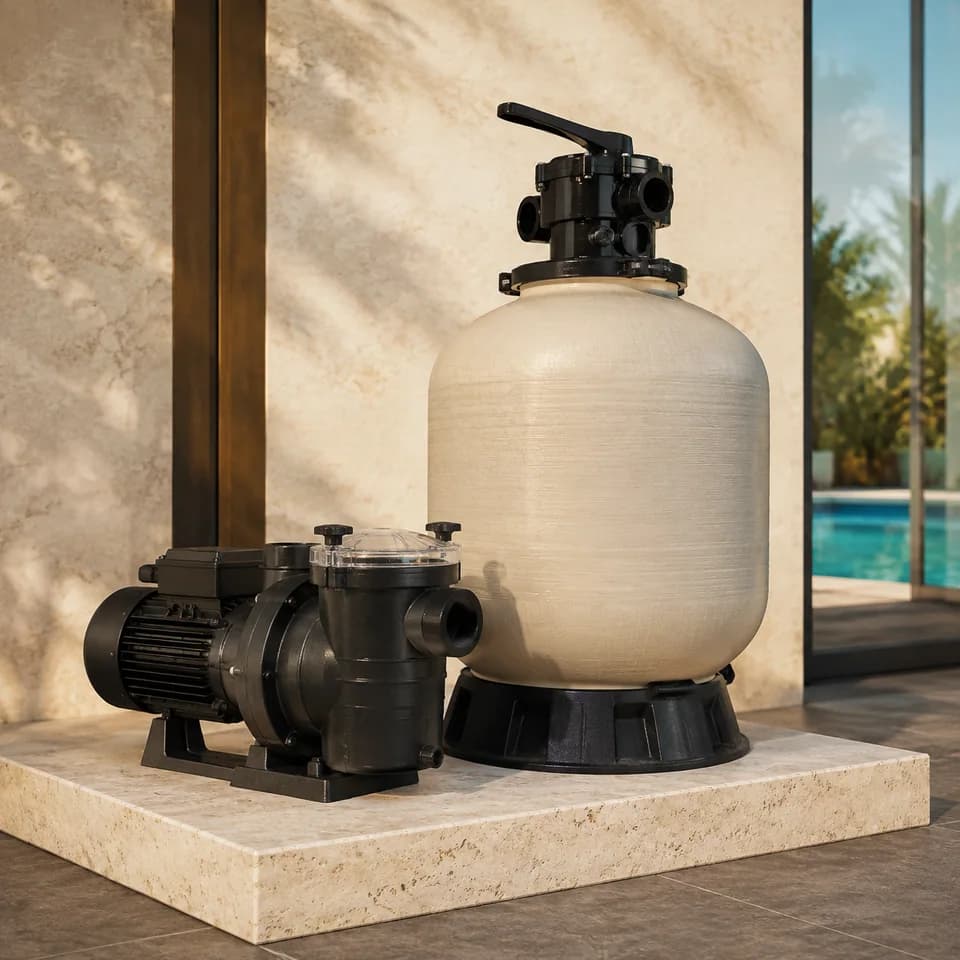 Product category
Pool Mechanical Equipment
Circulation pumps, filters, valves and automation: the mechanical infrastructure that forms the heart of the pool.
View- 65 products
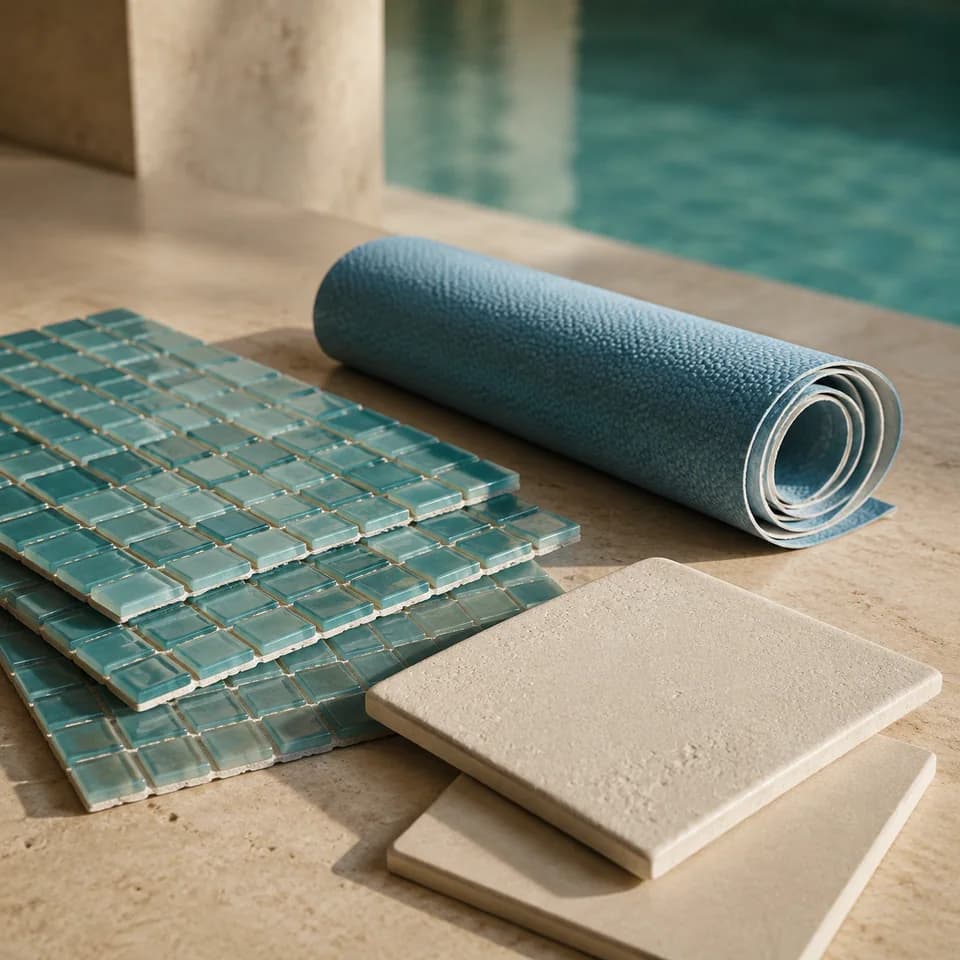 Product category
Pool Lining Systems
PVC liner, membrane, ceramic tile and glass mosaic: lining materials that make the pool watertight and form its finished surface.
View- 20 products
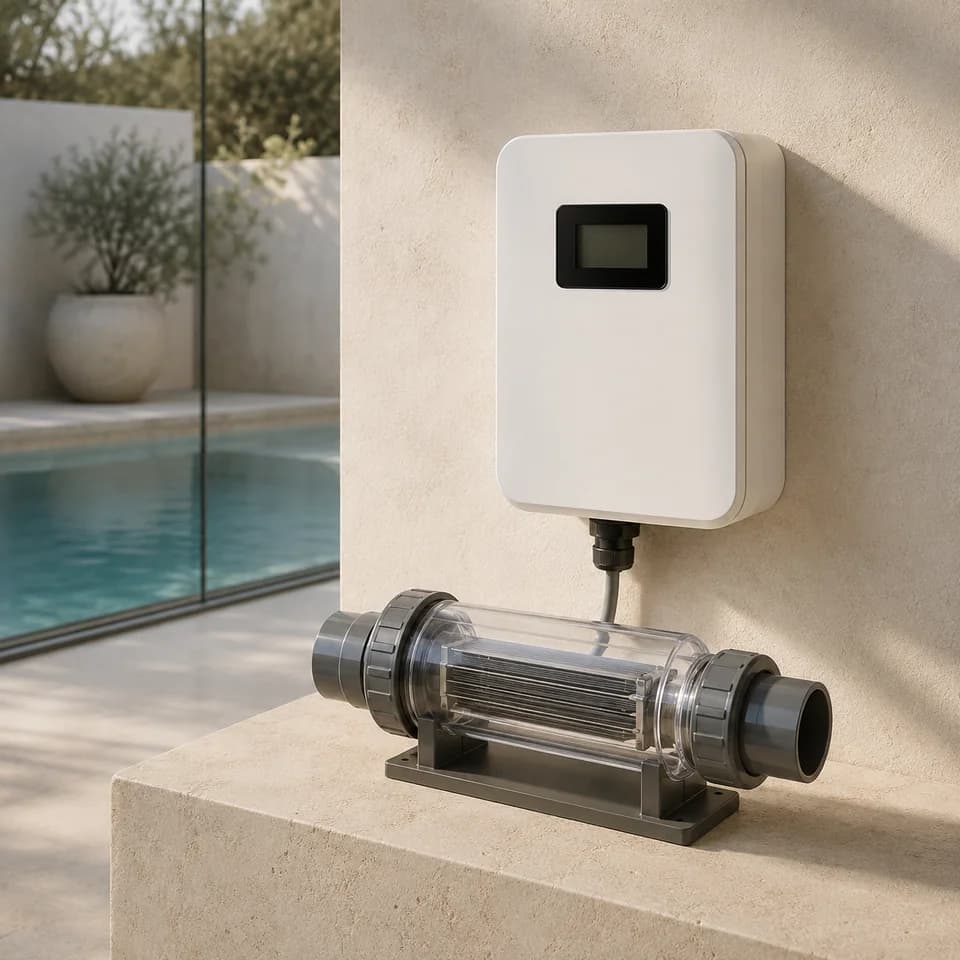 Product category
Pool Disinfection Systems
Fully automatic pool water disinfection that reduces chemical use with salt electrolysis, UV disinfection and smart dosing systems.
View- 52 products
Product category
Pool Mechanical Equipment
Circulation pumps, filters, valves and automation: the mechanical infrastructure that forms the heart of the pool.
65 productsProduct category
Pool Lining Systems
PVC liner, membrane, ceramic tile and glass mosaic: lining materials that make the pool watertight and form its finished surface.
20 productsProduct category
Pool Disinfection Systems
Fully automatic pool water disinfection that reduces chemical use with salt electrolysis, UV disinfection and smart dosing systems.
52 products
// 02 · Related service
The work in this article, we deliver from design to handover.
Çilek Havuz service
Swimming Pool Construction
Reinforced-concrete, prefabricated and infinity swimming pools, built turnkey for villa, residential and commercial projects.
Swimming pool construction is a turnkey build in which the site survey, structural and mechanical design, excavation, reinforced-concrete shell, waterproofing, finish, filtration plumbing and commissioning run under a single contract. The written project schedule follows the site survey.
How we work
- 01Initial meeting and site surveyWe inspect the site and listen to the brief.
- 02Design and quotationWe give the cost item by item, in writing.
- 03ExecutionThe same team builds to a written schedule.
- 04Handover and commissioningWe start the systems and explain their use.
- 05Maintenance and technical supportWe provide periodic maintenance and support.
// 03 · Guides
On Pool Construction, more articles to read.
First the articles directly related to this one, then the newest articles on the topic.
 Spa & Wellness
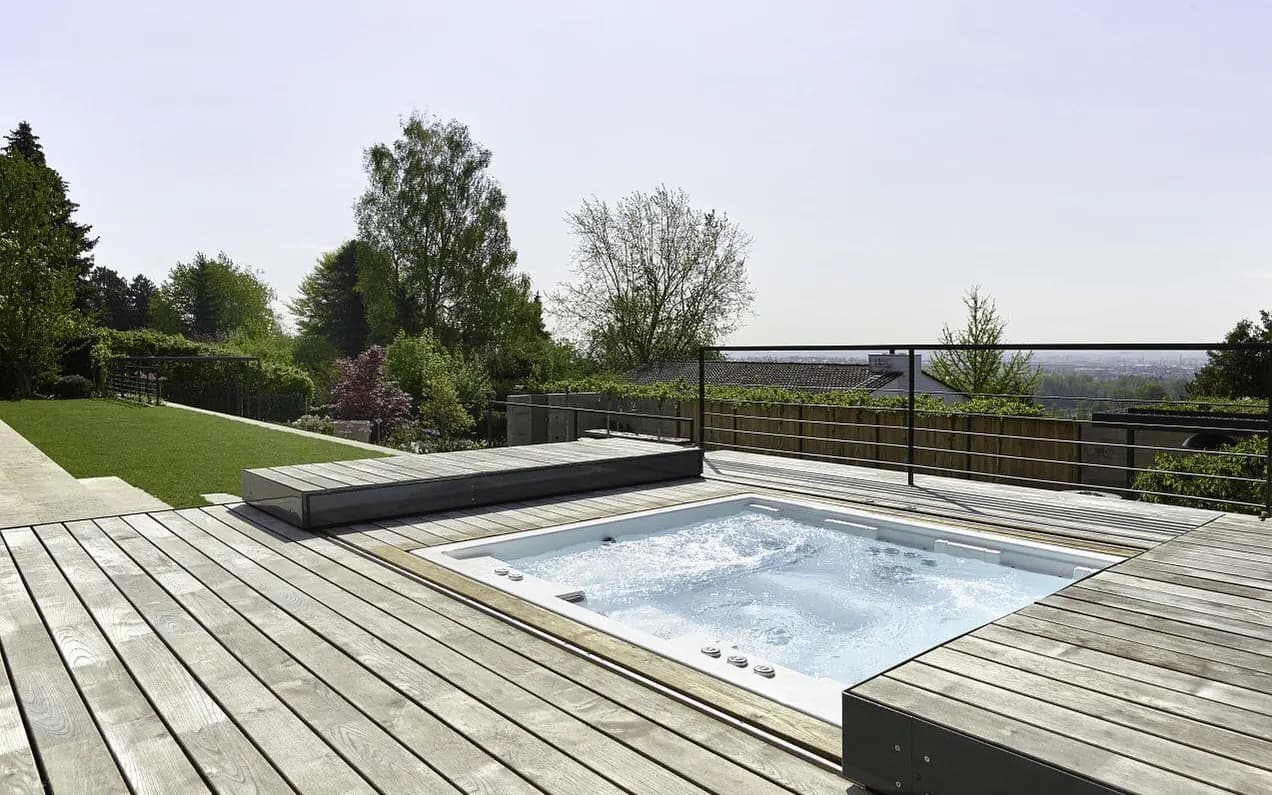
Garden hot tub prices: which item total sets the figure?
Garden hot tub prices are the total of shell material, jet and pump group, heater power, cabinet insulation, concrete slab and electrical line items.
View- 9 September 2026
- 10 min read
 Pool Construction
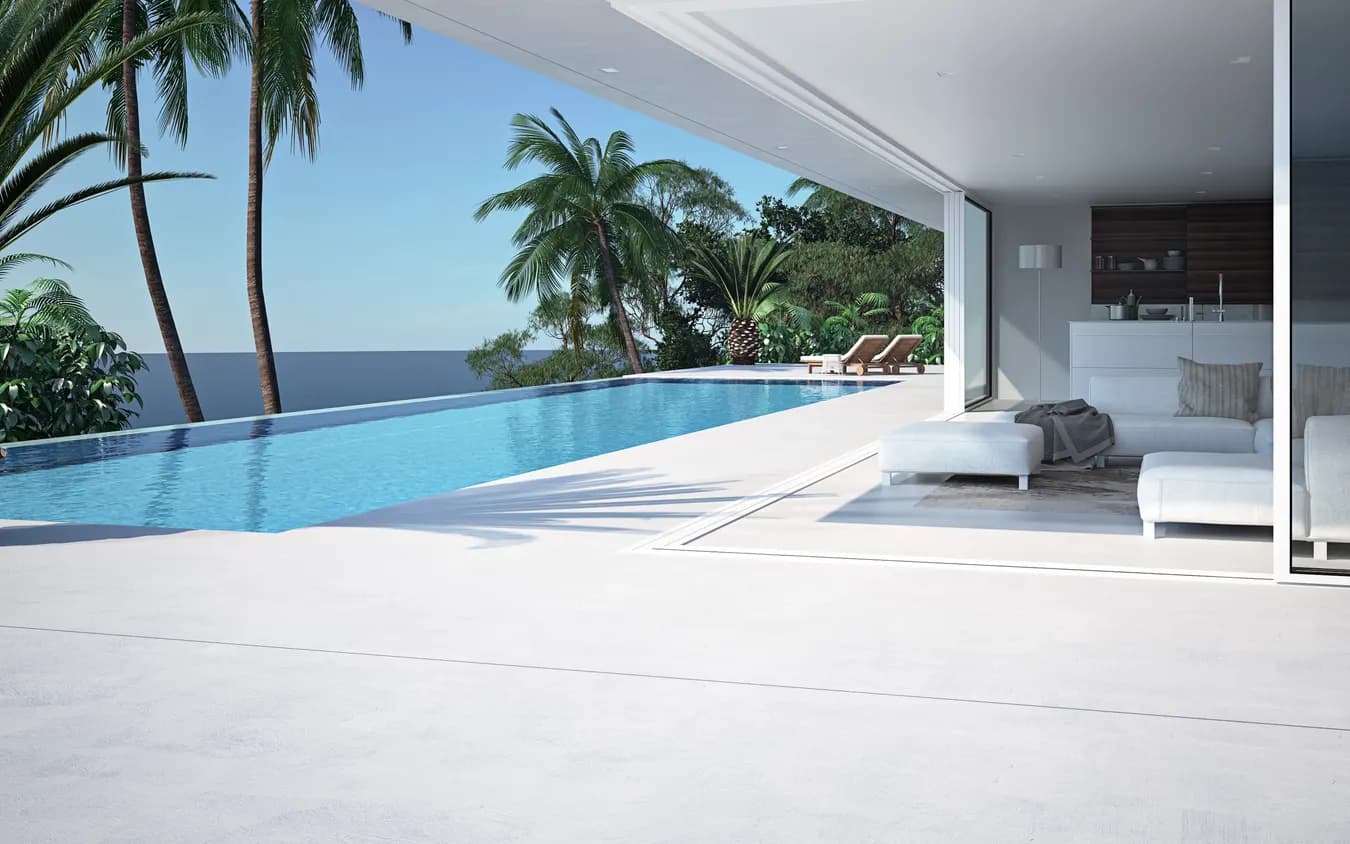
Pool construction in Antalya: winter downpours, 46 °C and karst ground
In Antalya, a pool is built with overflow, cooling and a ground investigation sized for 262 mm of rain in December, 46.1 °C in July and karst ground.
View- 9 September 2026
- 10 min read
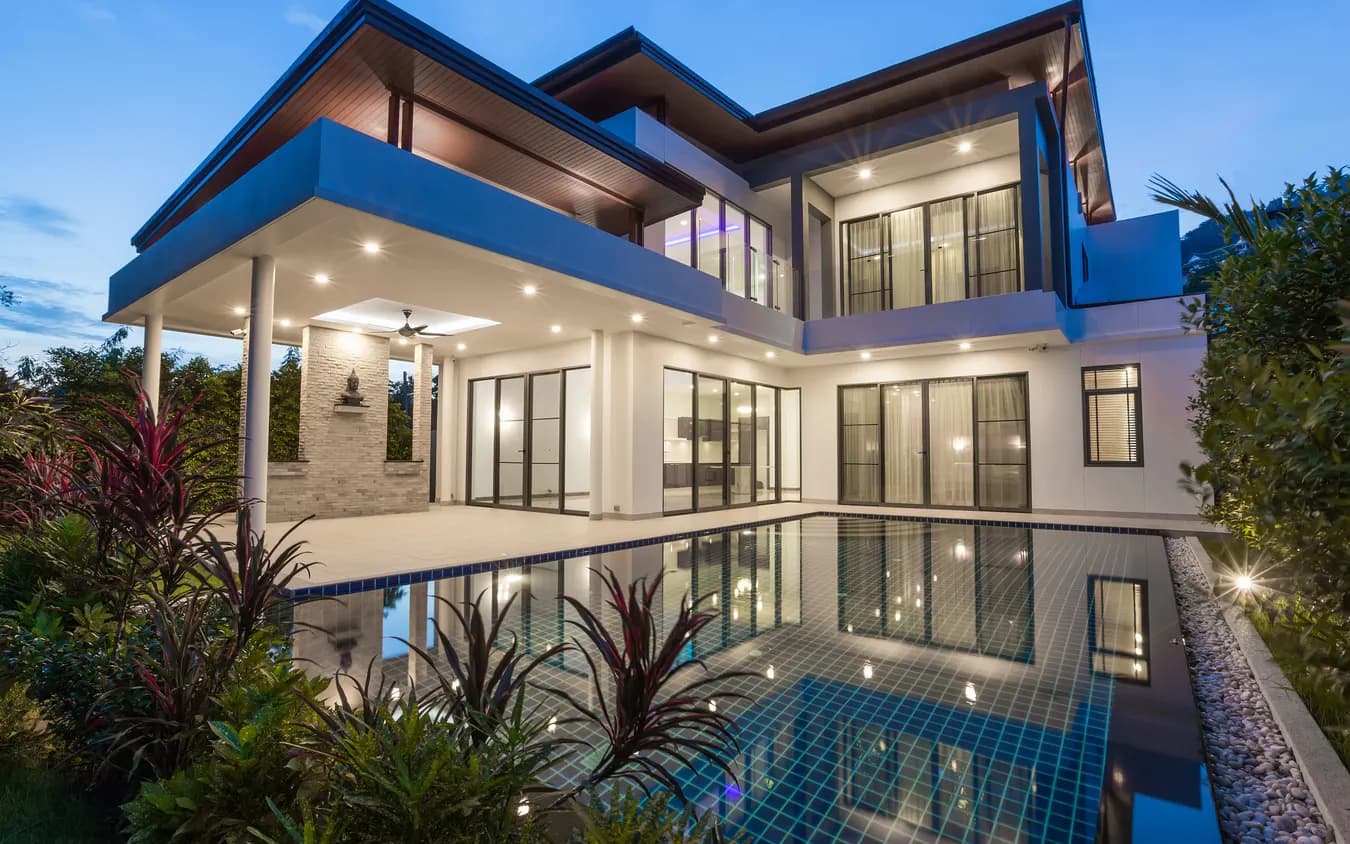 Pool Construction
What turnkey pool construction is, what it covers and what it leaves out
In a turnkey pool, design, procurement, construction and commissioning go to one contractor under one contract; the scope schedule draws the line.
View- 9 September 2026
- 9 min read
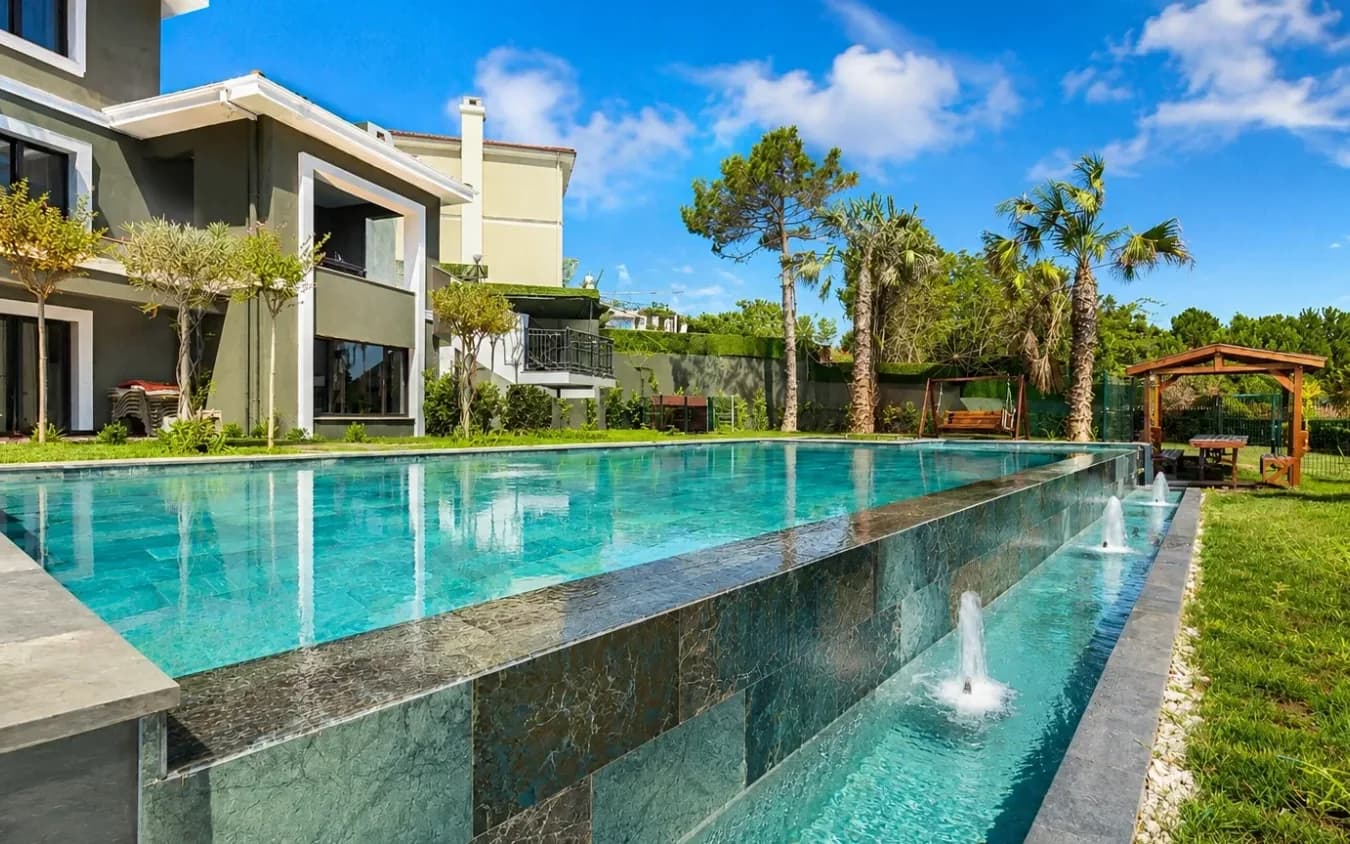 Pool Construction
Choosing Pool Showers and Waterfalls: Shower Types, Water Curtains and Plumbing Needs
Choosing a pool shower, waterfall or water curtain depends on the material, where the water comes from and where it is mounted. We compare solar and stainless steel shower types and their pump and plumbing needs.
View- 2 October 2026
- 8 min read
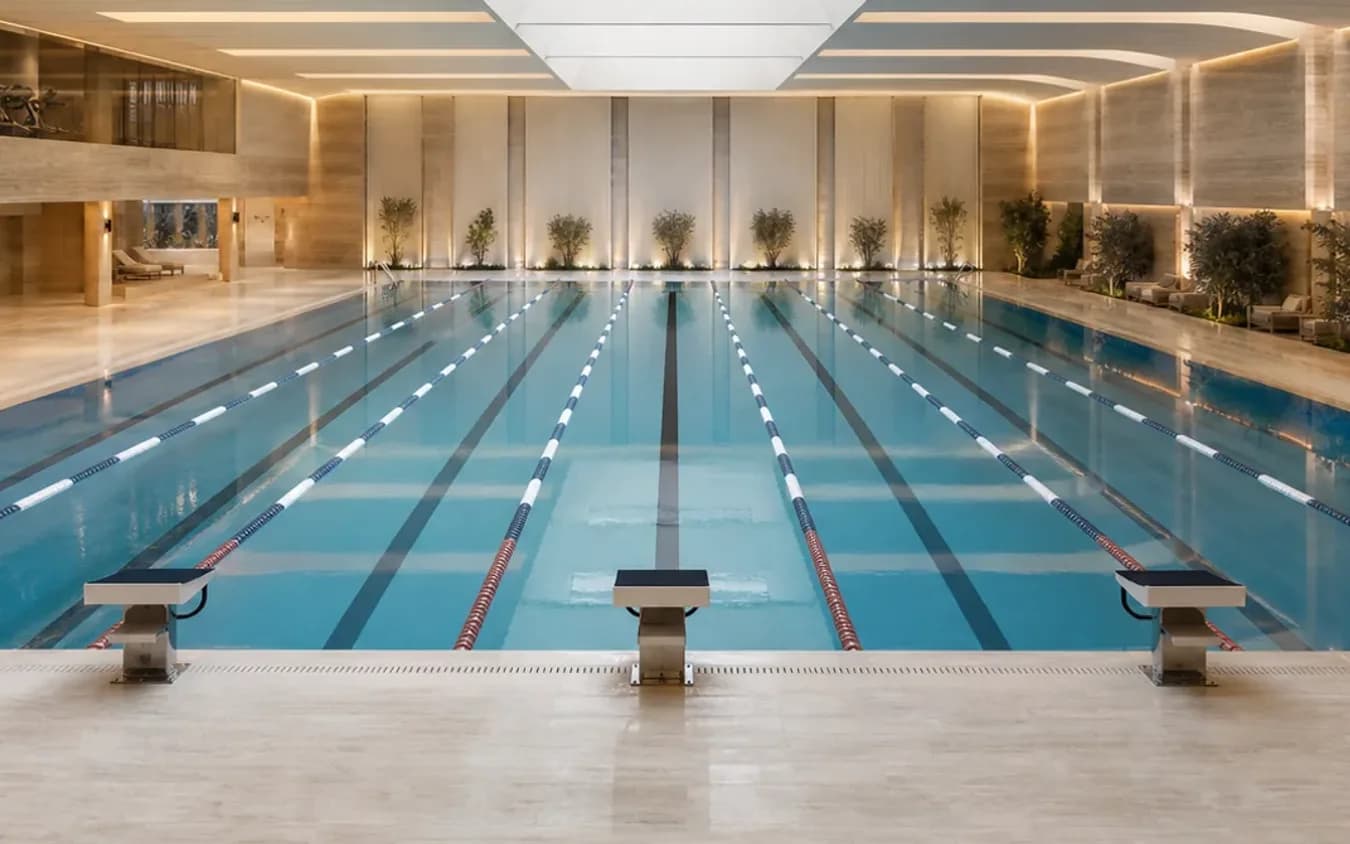 Pool Construction
Competition Pool Equipment: Which Pool Needs Which Equipment?
Starting blocks, lane ropes, warning and turn systems, underwater speakers and water polo goals are chosen according to how the pool is used. We explain which dimensions we check for each item.
View- 2 October 2026
- 7 min read
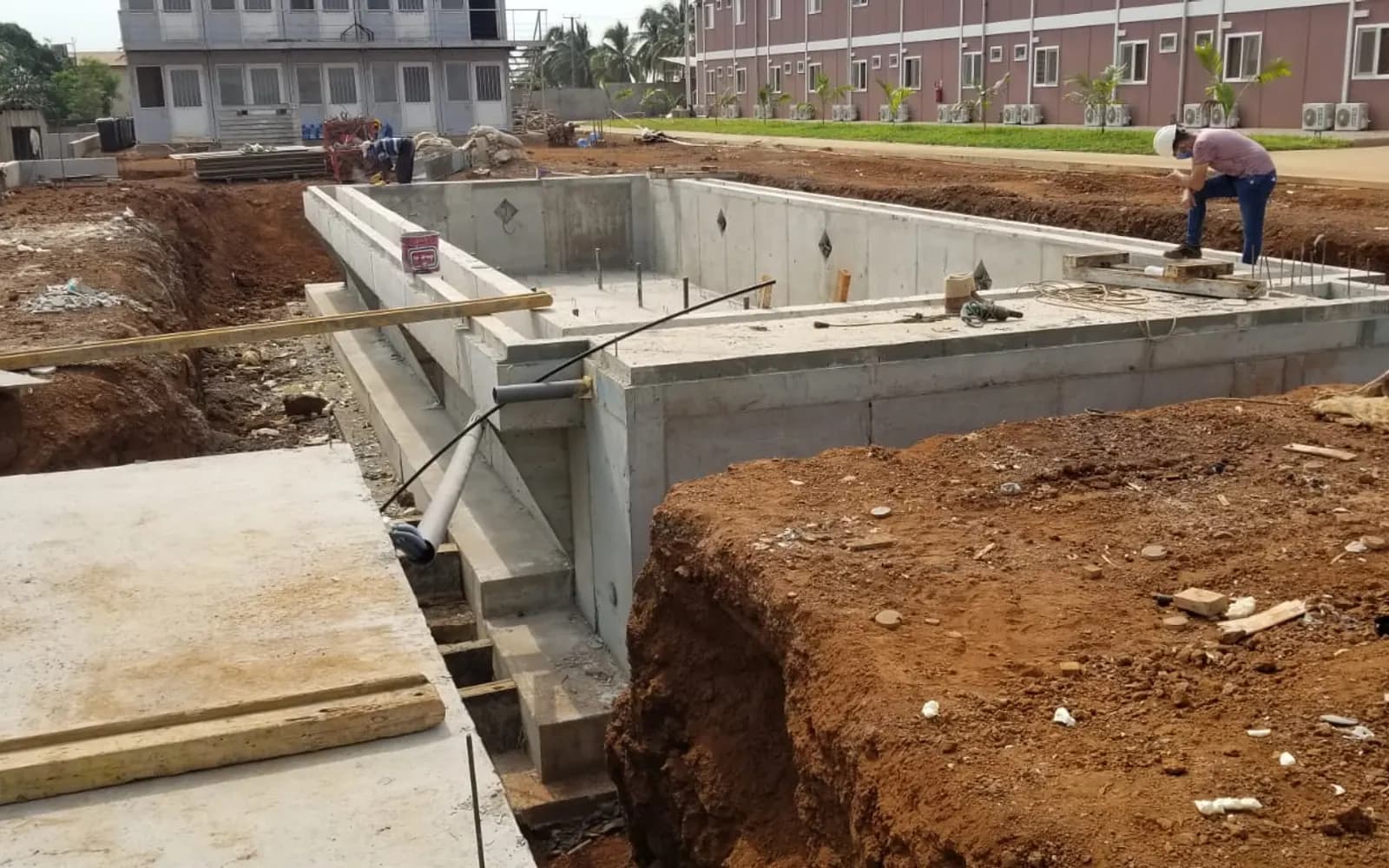 Pool Construction
Building a pool or spa abroad: what drives the cost of an international project?
A pool, hammam or spa project delivered abroad from Turkey has no single price per square metre. We cover design, equipment, shipping, customs and schedule.
View- 29 September 2026
- 8 min read
- Spa & Wellness · 9 September 2026Garden hot tub prices: which item total sets the figure?Garden hot tub prices are the total of shell material, jet and pump group, heater power, cabinet insulation, concrete slab and electrical line items.10 min read
- Pool Construction · 9 September 2026Pool construction in Antalya: winter downpours, 46 °C and karst groundIn Antalya, a pool is built with overflow, cooling and a ground investigation sized for 262 mm of rain in December, 46.1 °C in July and karst ground.10 min read
- Pool Construction · 9 September 2026What turnkey pool construction is, what it covers and what it leaves outIn a turnkey pool, design, procurement, construction and commissioning go to one contractor under one contract; the scope schedule draws the line.9 min read
- Pool Construction · 2 October 2026Choosing Pool Showers and Waterfalls: Shower Types, Water Curtains and Plumbing NeedsChoosing a pool shower, waterfall or water curtain depends on the material, where the water comes from and where it is mounted. We compare solar and stainless steel shower types and their pump and plumbing needs.8 min read
- Pool Construction · 2 October 2026Competition Pool Equipment: Which Pool Needs Which Equipment?Starting blocks, lane ropes, warning and turn systems, underwater speakers and water polo goals are chosen according to how the pool is used. We explain which dimensions we check for each item.7 min read
- Pool Construction · 29 September 2026Building a pool or spa abroad: what drives the cost of an international project?A pool, hammam or spa project delivered abroad from Turkey has no single price per square metre. We cover design, equipment, shipping, customs and schedule.8 min read
// 04 · Company & Contact
To talk about your project, call or write to us.
Legal Name
Çilek Havuz
Founded
1998 · Istanbul
Head Office
Çilek Plaza, Eyüp Sultan Mah. Yakacık Cd. Feshane Cd. No: 2 D:4 D:1, 34885 Sancaktepe / İstanbul
Service Area
All of Türkiye · exports to 14 countries
Branches
Kyrgyzstan · Egypt · Algeria · Iraq
Showroom
Plan a showroom visit
At our showroom in Çilek Plaza, Sancaktepe, you can discuss your project with our team. We recommend booking an appointment by phone before your visit.
Working Hours
- Monday – Friday · 08:00 – 17:30
- Saturday · 08:00 – 12:30
- Closed on Sunday
Frequently Asked Questions
About Building a Garden Pool, frequently asked questions.
Çilek Havuz Corporate
Pool and Wellness Engineering
- Response Time
- Same day
- Channels
- Phone · Email · WhatsApp
If the answer you are looking for is not here, send your question directly to us and our team will reply as soon as possible.
+90 216 475 39 37For homes with a garden under 100 square metres, 3x6 metres is a good starting point. What decides it is not the garden area but the usable space left after the pool: leave at least 1.20 metres on every side and 2.50 metres on the side where sun loungers will be lined up.
Çilek Havuz Corporate
It should not be. Leaves and pollen keep filling the skimmer baskets and increase the load on the filter. The real problem is the roots: over the years they put pressure on the pool shell, the pipework and the paving. If the tree is to be kept, a root barrier must be planned before excavation.
Çilek Havuz Corporate
A garden pool permit depends on the municipality and the status of the plot. For detached houses in Turkey, most municipalities treat a pool as an annex to the building and ask for a project. The distance to the plot boundary also depends on local zoning regulations. Get confirmation from your municipality before digging starts.
Çilek Havuz Corporate
A one-piece fibreglass pool needs truck and crane access; without both, it cannot be installed. A prefabricated panel system comes with panels small enough to carry by hand, and a reinforced concrete pool is built on site, which removes the access problem.
Çilek Havuz Corporate
Yes. In projects done separately, levels do not match, water collects and the garden gets dug up a second time for the lighting line. Lighting, irrigation and electrical infrastructure are laid while the excavation is open; doing it afterwards costs more.
Çilek Havuz Corporate
If there are children, one of three things must be in place: a safety cover, a child barrier or a separate fence. A safety-rated cover and a thermal cover are not the same thing; the second will not hold a child who falls onto it. A children's section is built 30-40 centimetres deep and physically separate from the main pool.
Çilek Havuz Corporate