

Choosing a Pool Pump: Advantages of Variable Speed Pumps
The pump is the heart of circulation and the biggest part of your energy bill. We compare single-speed and variable-speed pumps and their sizing.
Project Manager · Mechatronics Engineer · Çilek Havuz
- Published
- Updated
- Reading
- 5 min read
- Category
- Maintenance
The pump is the heart of circulation and the biggest part of your energy bill. We compare single-speed and variable-speed pumps and their sizing.
The entire water processing process of your pool depends on the circulation created by the pump.
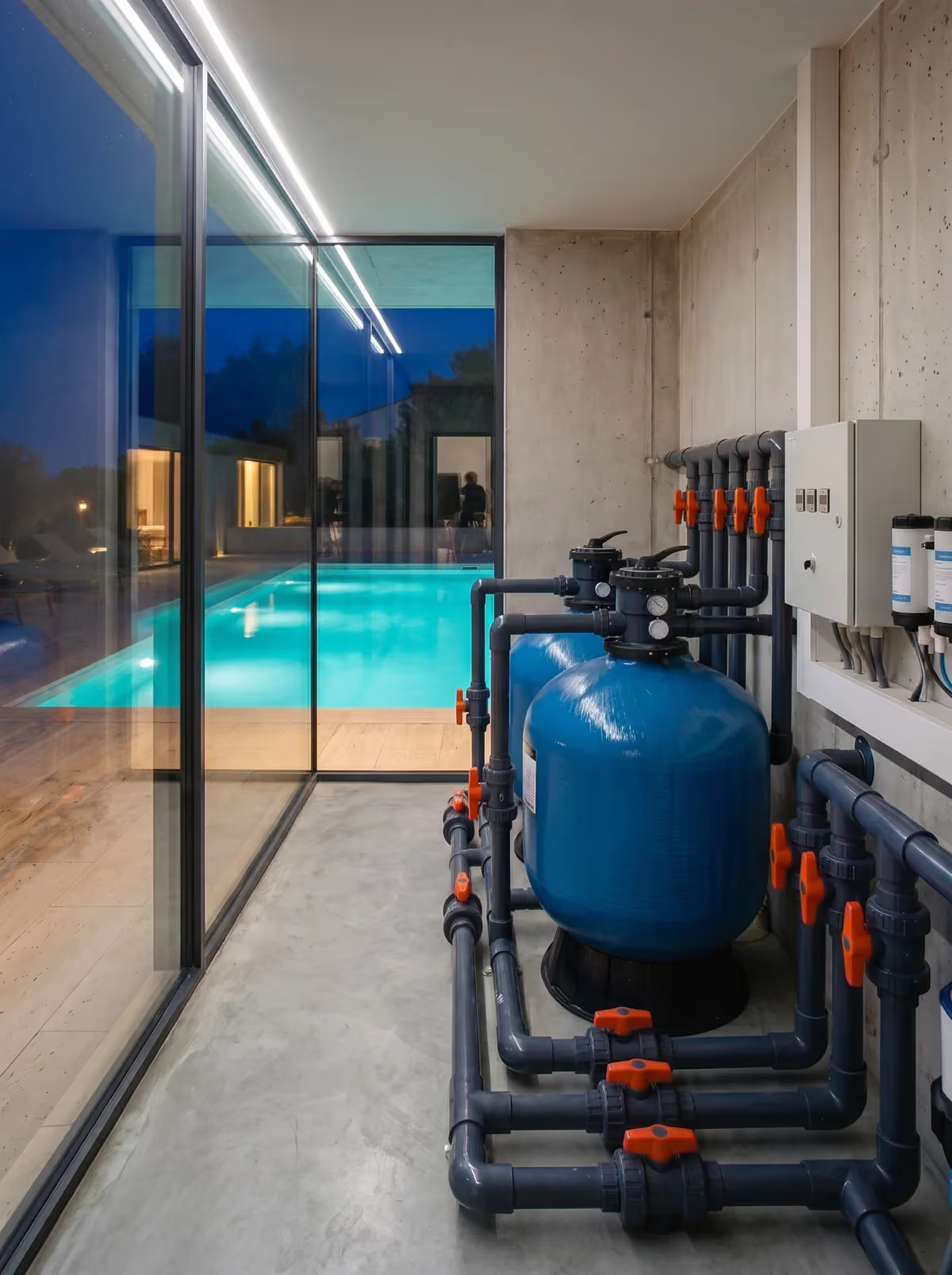
The pump draws the water from the pool, passes it through the filter and heater, if any, ensures homogeneous distribution of the chemical dosage and pumps the cleaned water back into the pool. If this cycle is not sufficient, even the best filter cannot do its job, chemicals are distributed unevenly and water quality decreases. Therefore, pump selection is one of the most critical decisions in system design.
At the same time, the pump is the component that consumes the most electricity in pool mechanics. Because it operates for many hours a day throughout the season, the efficiency of the selected pump is directly reflected in your operating costs. In the projects we have carried out since 1993, we have repeatedly observed that a correctly sized and efficient pump both improves water quality and significantly reduces the energy bill.
Traditional single-speed pumps operate at one fixed speed.
So it spins at full power for every task, whether it's filtration, sweeping, or just turning water. This often means consuming more energy than needed because the flow rate required for routine filtration is much lower than the flow rate required for sweeping or backwashing.
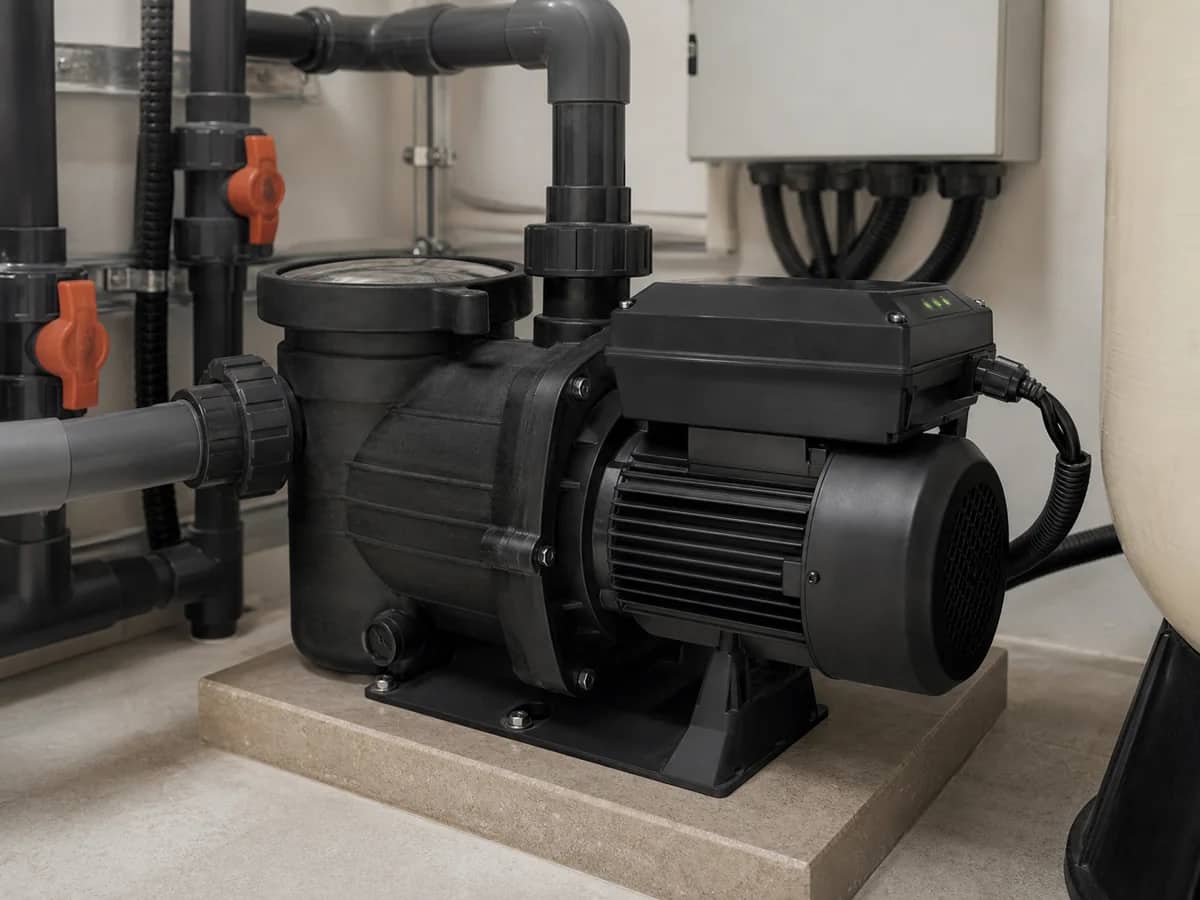
Variable speed (inverter) pumps can adjust the engine speed according to the needs of the task, thanks to an internal driver. It provides a quiet, economical and effective circulation by performing routine filtration at low speed for a long time. When sweeping or backwashing is required, it increases the speed. Since the power consumption of the pump is not proportional to the speed but varies approximately with the cube of the speed, reducing the speed provides great savings in energy consumption. This physical fact is the strongest advantage of variable speed pumps.
The most obvious advantage is energy saving.
Performing filtration at a lower speed and for a longer period of time consumes much less electricity when processing the same volume of water. Significant reductions in energy consumption compared to a single-speed pump are possible in many installations. Long cycle time also increases filtration efficiency by allowing water to circulate more gently and homogeneously.
The second advantage is comfort and durability. The pump operating at low speed is much quieter and its mechanical life is extended because the engine is less stressed. In addition, since variable speed pumps can do timing and cycle programming, they can be set to operate at different speeds at different times of the day. For example, quiet low speed at night, short-term high speed during the day. This flexibility allows you to optimize both water quality and operating economics.
The basic logic of correct pump sizing is to ensure that all water in the pool passes through the filter at least once in a given period of time.
This is called turnover time, and residential pools generally aim for around eight hours. By dividing your pool volume (m³) by the target circulation time, you obtain the flow rate that needs to be circulated per hour (m³/hour). This flow rate is the starting point for pump selection.
However, flow alone is not enough. It should also be calculated against what pressure the pump will provide this flow rate. This is called head (meter water column) and consists of the diameter of the installation pipes, their length, the number of elbows, the filter resistance and the total friction loss of components such as the heater, if any. The right pump is the pump that can provide the target flow rate at the total head of the system. While an over-sized pump wastes energy and creates filter channelization, a small pump means insufficient circulation and cloudy water.
Each pump has a performance curve that shows it delivers a certain flow at a given head.
As the head increases, the flow rate the pump can deliver decreases. The point where the resistance of your system installation and the curve of the pump intersect determines the actual operating flow rate that will occur in that pool. For this reason, it is misleading to choose a pump by looking at the highest flow rate in the catalogs. What matters is the performance of your system at its operating point.
Choosing a small pipe diameter, many sharp turns and long plumbing lines increase the head and reduce the actual flow rate of the pump. Therefore, when choosing the pump, it is necessary to evaluate the installation design together. In a correctly balanced system, the pump operates comfortably, energy consumption is low and filtration is efficient. Our company determines the operating point accurately in each project by calculating the pool volume, installation details and equipment resistance together.
On residential and commercial projects we use pump families with a long track record in the trade.
For durable single-speed installations, series with a sturdy body and a wide flow range adapt to different pool volumes. If efficiency and quiet running come first, the variable-speed versions of the same families deliver energy savings and comfort together.
Series such as Verdon stand out for models with built-in pre-filters, high hydraulic efficiency and suitable for large volume pools. Choosing the right model depends on your pool's volume, plumbing resistance and usage profile rather than brand preference alone. Our engineering team offers you the pump that best suits the flow rate and head values we calculated from among these reliable families; thus, both water quality and operating costs are optimized.
// Comparison
Circulation pumps, in one table.
| Model | Rated Power (P2N) | Rated Flow (Qn) | List price |
|---|---|---|---|
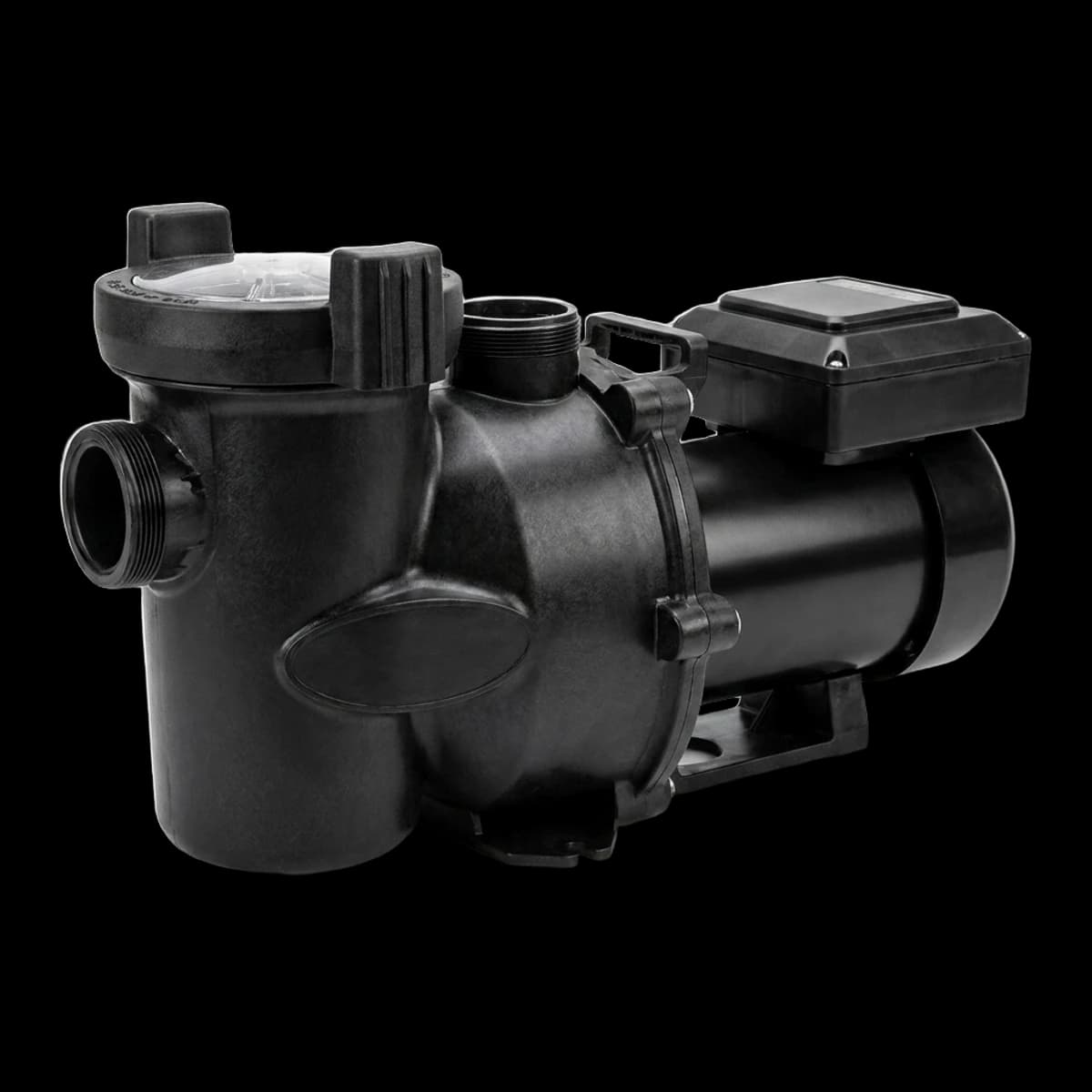
| FloPro™ VS2 models | 1.23 kW | 24.1 m³/h | €2,283.75excl. VAT |
| E30iQ2 models | 0.75 kW | 15.5 m³/h | €1,428.00excl. VAT |
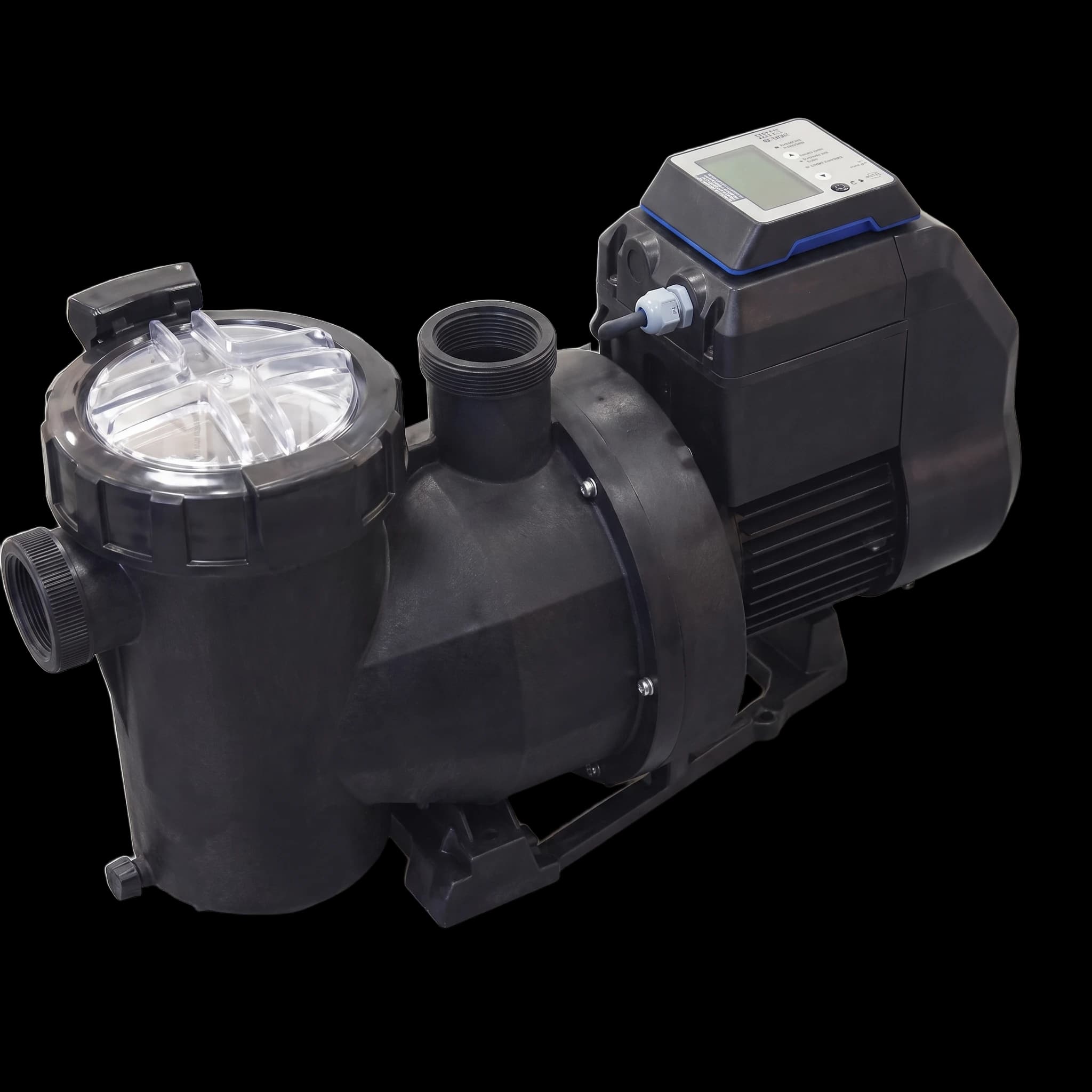
| Victoria Plus Silent VS2 models | 0.75 kW | 17.0 m³/h | €1,743.00excl. VAT |
Next step
Let us discuss your project in the way that suits you best.
You can fill in the form for a written quote, schedule a video project presentation or ask us to survey your project site.
Get a Quote
Send us your dimensions and expectations in writing.
Online presentation
Video project presentation
On-site survey
Inspection at your project site
Image gallery
Photos: 04
 01
01 02
02 03
03 04
04// 01 · Products in this article
For the work described in this article, pool mechanical equipment.
Each card leads to the product page with its data sheet, model list and quotation.
- 2 models

- 2 models
- 2 models
// 02 · Product groups
Compare the products on this topic on their category pages.
Each card leads to a product category; models, technical sheets and list prices are there.
 Product category
Pool Mechanical Equipment
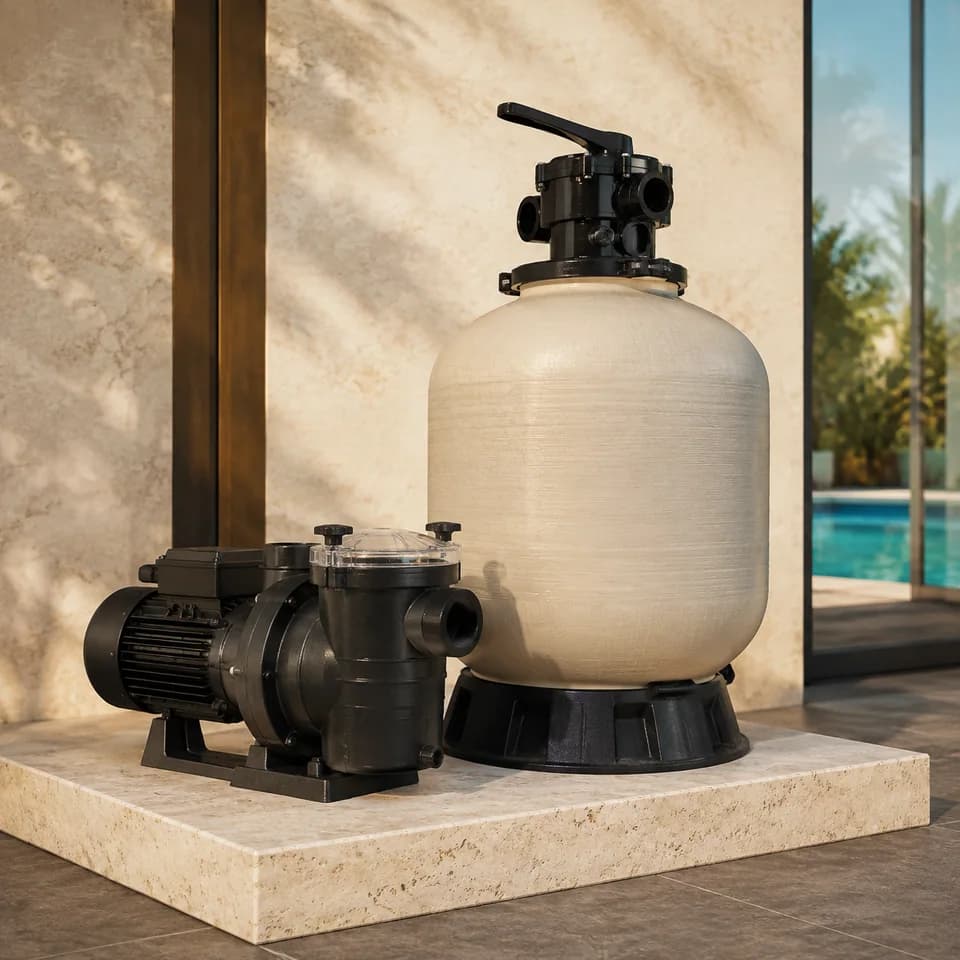
Circulation pumps, filters, valves and automation: the mechanical infrastructure that forms the heart of the pool.
View- 65 products
- Product category
Pool Pump Models
Circulation pumps that draw pool water through the filter and push it back into the pool: variable speed, single speed, pre-filter and counter-current models. A pump is chosen by pool volume, filter and pipework. Share your measurements and we will pick the right model together.
View - Product category
Pool Control Panels and Automation
Electrical panels for pump protection and lighting control, app-controlled smart panels and cabinets, gateways and a smart plug. The panel type is chosen by the current and phase of the pump motor. The technical table of each model is on its product page.
View- 11 products
Product category
Pool Mechanical Equipment
Circulation pumps, filters, valves and automation: the mechanical infrastructure that forms the heart of the pool.
65 productsProduct category
Pool Pump Models
Circulation pumps that draw pool water through the filter and push it back into the pool: variable speed, single speed, pre-filter and counter-current models. A pump is chosen by pool volume, filter and pipework. Share your measurements and we will pick the right model together.
Product category
Pool Control Panels and Automation
Electrical panels for pump protection and lighting control, app-controlled smart panels and cabinets, gateways and a smart plug. The panel type is chosen by the current and phase of the pump motor. The technical table of each model is on its product page.
11 products
// 03 · Related service
The work in this article, we deliver from design to handover.
Çilek Havuz service
Pool Maintenance
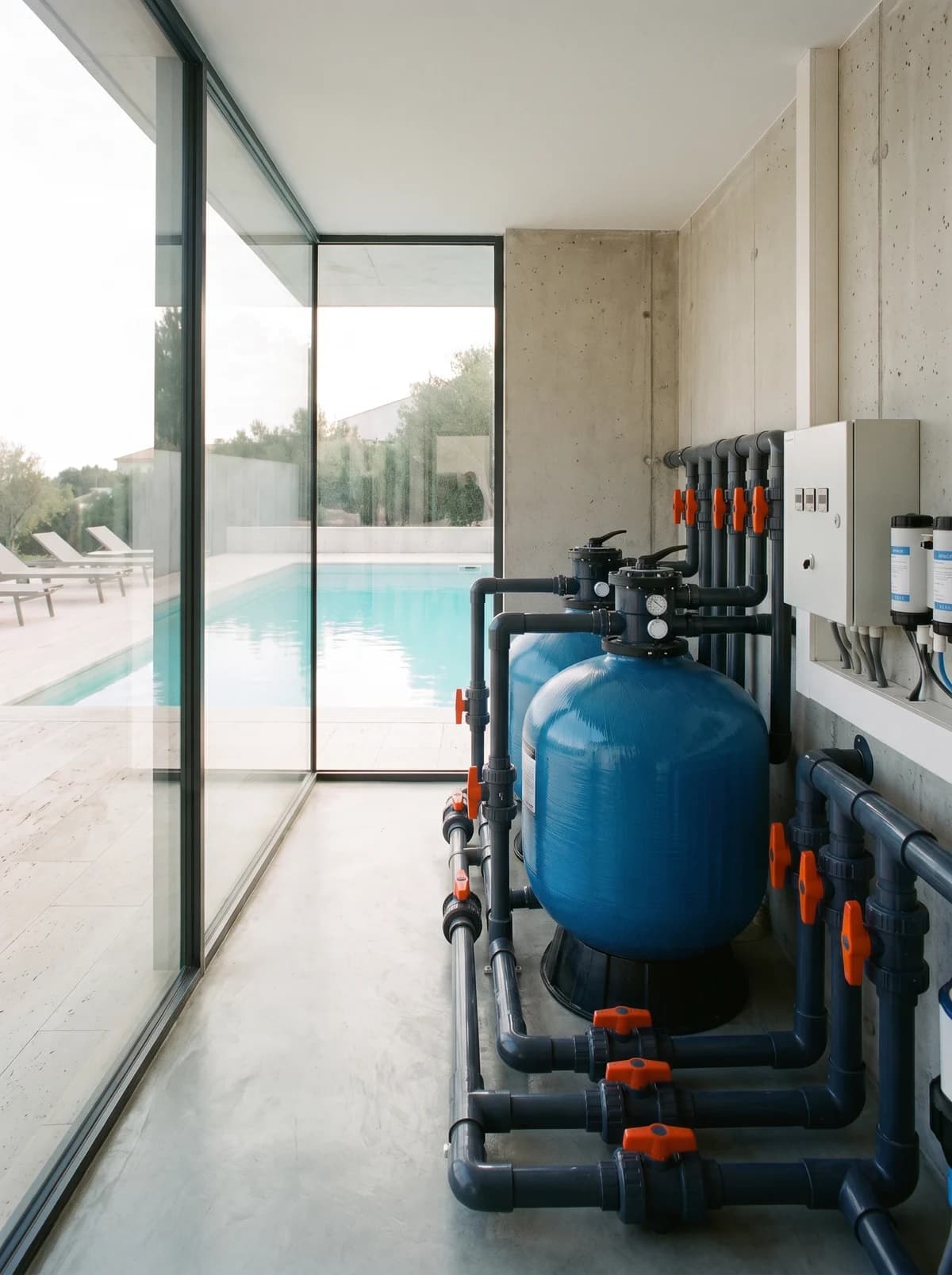
Water chemistry, equipment and periodic maintenance.
How we work
- 01Initial meeting and site surveyWe inspect the site and listen to the brief.
- 02Design and quotationWe give the cost item by item, in writing.
- 03ExecutionThe same team builds to a written schedule.
- 04Handover and commissioningWe start the systems and explain their use.
- 05Maintenance and technical supportWe provide periodic maintenance and support.
// 04 · Guides
On Maintenance, more articles to read.
First the articles directly related to this one, then the newest articles on the topic.
 Maintenance
Choosing a Pool Cleaner: Pressure, Suction and Robotic
Pool cleaners come in three technologies: pressure, suction and electric robotic. We explain how each works, its trade-offs and which one fits your pool.
View- 11 April 2026
- 5 min read
 Maintenance
Winter pool chemicals: purpose, limits and product selection
Winter treatment depends on the actual pool system and product formulation. Water care, equipment freeze protection and ongoing checks are separate tasks.
View- 13 September 2026
- 3 min read
 Maintenance
Pool Water Test Kit Selection: Strips, DPD and Photometers
Compare strips, reagent tests and photometers by the values they measure. Check range, storage and calibration before making treatment decisions.
View- 13 September 2026
- 3 min read
 Maintenance
Pool clarifier and flocculant: differences, uses and selection
Clarification, flocculation and filter compatibility compared for cloudy pool water. The right choice follows the product instructions, not the name.
View- 13 September 2026
- 3 min read
 Maintenance
Chlorine tablets and granules: dissolution, use and selection
Chlorine products differ in active ingredient, concentration and intended use. Shape alone does not determine strength or dosing method.
View- 13 September 2026
- 3 min read
 Maintenance
Pool water regulation: pH, chlorine and analysis values
The pool water regulation sets physical, chemical and microbiological limits for swimming pool water in Turkey, including pH, chlorine and analysis frequency.
View- 9 September 2026
- 10 min read
- Maintenance · 11 April 2026Choosing a Pool Cleaner: Pressure, Suction and RoboticPool cleaners come in three technologies: pressure, suction and electric robotic. We explain how each works, its trade-offs and which one fits your pool.5 min read
- Maintenance · 13 September 2026Winter pool chemicals: purpose, limits and product selectionWinter treatment depends on the actual pool system and product formulation. Water care, equipment freeze protection and ongoing checks are separate tasks.3 min read
- Maintenance · 13 September 2026Pool Water Test Kit Selection: Strips, DPD and PhotometersCompare strips, reagent tests and photometers by the values they measure. Check range, storage and calibration before making treatment decisions.3 min read
- Maintenance · 13 September 2026Pool clarifier and flocculant: differences, uses and selectionClarification, flocculation and filter compatibility compared for cloudy pool water. The right choice follows the product instructions, not the name.3 min read
- Maintenance · 13 September 2026Chlorine tablets and granules: dissolution, use and selectionChlorine products differ in active ingredient, concentration and intended use. Shape alone does not determine strength or dosing method.3 min read
- Maintenance · 9 September 2026Pool water regulation: pH, chlorine and analysis valuesThe pool water regulation sets physical, chemical and microbiological limits for swimming pool water in Turkey, including pH, chlorine and analysis frequency.10 min read
// 05 · Company & Contact
To talk about your project, call or write to us.
Legal Name
Çilek Havuz
Founded
1998 · Istanbul
Head Office
Çilek Plaza, Eyüp Sultan Mah. Yakacık Cd. Feshane Cd. No: 2 D:4 D:1, 34885 Sancaktepe / İstanbul
Service Area
All of Türkiye · exports to 14 countries
Branches
Kyrgyzstan · Egypt · Algeria · Iraq
Showroom
Plan a showroom visit
At our showroom in Çilek Plaza, Sancaktepe, you can discuss your project with our team. We recommend booking an appointment by phone before your visit.
Working Hours
- Monday – Friday · 08:00 – 17:30
- Saturday · 08:00 – 12:30
- Closed on Sunday
Frequently Asked Questions
About Choosing a Pool Pump, frequently asked questions.
Çilek Havuz Corporate
Pool and Wellness Engineering
- Response Time
- Same day
- Channels
- Phone · Email · WhatsApp
If the answer you are looking for is not here, send your question directly to us and our team will reply as soon as possible.
+90 216 475 39 37Variable speed pumps operate much quieter because they perform routine filtration at low speed. This provides significant comfort, especially in mechanical rooms close to residences and bedrooms. Although the speed increases when high flow is required, this is limited to temporary periods. Quiet operation is a direct result of low speed operation.
Çilek Havuz Corporate
Because variable speed pumps are programmable, it is energy efficient to extend filtration over long periods of time at low speed. Many users establish a pattern such as short high speed during the day and long low speed at night. You can also include the appropriate hours of your electricity tariff in this program. The correct cycle is adjusted to consider both water quality and operating economy.
Çilek Havuz Corporate
In pumps with built-in pre-filters, the basket must be cleaned regularly as it traps leaves and large dirt. A clogged basket reduces flow and strains the pump. Cleaning frequency varies depending on the pool's environment and intensity of use. Regular emptying of the basket is a simple but important condition for efficient and long-lasting operation of the pump.
Çilek Havuz Corporate
When switching to a variable speed pump, check the pump's electrical connection and driver compatibility. Also check whether the existing pipe diameter provides sufficient flow at low speed. Narrow pipe diameter and many sharp turns can increase the head, reducing the expected efficiency. Therefore, we recommend that you plan the transition by evaluating your installation together.
Çilek Havuz Corporate
Operating the pump without water may cause serious damage to the seals and motor. For this reason, skimmers with low water levels and suction lines that leak air should be prevented. Some systems offer automatic protection against dry running. Keeping the seal on the suction side intact is decisive in preventing such malfunctions.
Çilek Havuz Corporate
The heater adds additional resistance to the installation, increasing the total head. Therefore, in heated pools, the pump should be sized to cover the friction loss of the heater. In addition, the flow rates of the heat pump and the variable speed circulation pump must be compatible. Calculating these components together ensures that both heating and filtration efficiency are maintained.
Çilek Havuz Corporate