

Cloudy Pool Water: Causes by Color and Steps to Clear It
Cloudy pool water usually points to filtration, circulation or water balance. Read the color as a clue, test the water first, then clear it step by step.
Project Manager · Mechatronics Engineer · Çilek Havuz
- Published
- Updated
- Reading
- 7 min read
- Category
- Maintenance
Cloudy pool water usually points to filtration, circulation or water balance. Read the color as a clue, test the water first, then clear it step by step.
Cloudy pool water is not a standalone disease; it is an umbrella symptom.
Like a fever in the human body, the root cause could be early algae growth, chemical disequilibrium, or filtration failure. Dosing extra chlorine blindly often fails because it treats the wrong underlying cause.
Turbidity occurs when microscopic suspended particles scatter light. These particles may be dead algae, precipitated mineral carbonates, or environmental dust too fine for the filter media to capture. Without accurate diagnosis, chemical interventions waste money and time.
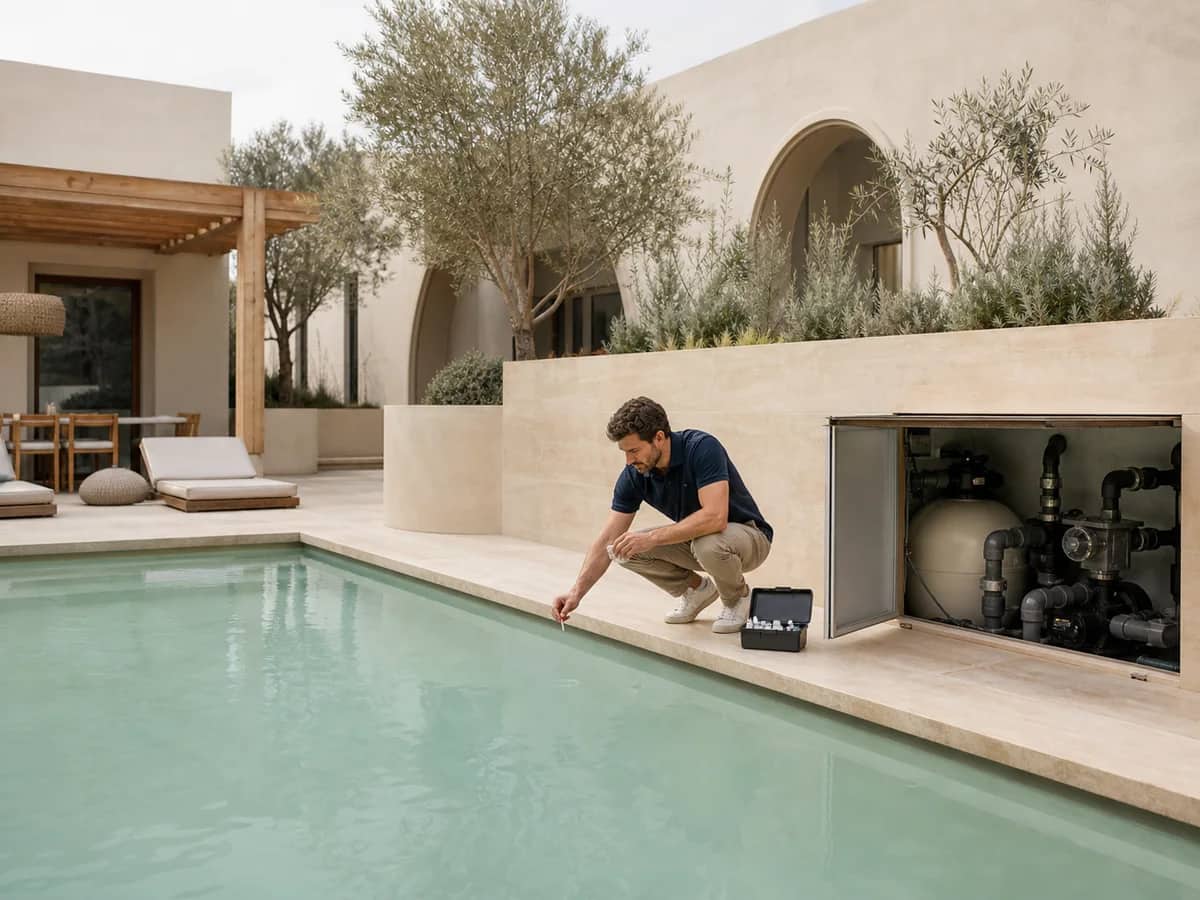
Our engineering approach is always diagnosis first, treatment second. Water coloration provides the most immediate clue to reading the underlying cause, making a targeted first step more likely. Color is only a clue; the decision is confirmed with free chlorine, pH and filter checks.
When starting the diagnosis, note whether the problem began after rain, heavy use, a chemical application or filter maintenance. For the last product added, record the active ingredient, concentration and quantity from the label, not just the brand name. If the pump schedule changed or flow at the return jets has dropped, investigate that change before adding any chemical.
| Observation | Information to check together | Next step |
|---|---|---|
| After rain or heavy use | Free chlorine, pH, organic load and pump runtime | Update the test and cleaning log. |
| Whitish water after a chemical | Product added, quantity and water balance | Do not add a second product at random. |
| Weak return flow | Pump, baskets, filter pressure and valve settings | Assess the hydraulic issue with the service team. |
| Greenish water | Chlorine/pH readings, surfaces and water source | Do not treat color alone as an algae diagnosis. |
Milky white or cloudy water typically indicates chemical imbalance and microscopic precipitated mineral particles.
The most common causes are raised pH (>7.8), high calcium hardness (>400 ppm), or excessive total alkalinity. Water can no longer keep dissolved minerals in solution, precipitating microscopic crystals that scatter light.
The second common cause is insufficient filtration. A clogged filter, calcified sand bed, or inadequate daily pump runtime allows fine particulate to bypass filtration and accumulate in the water column.
The first step for milky water is complete testing: adjust pH to 7.2-7.6, alkalinity to 80-120 ppm, and verify calcium hardness. Increase daily filtration runtime, and deploy pool clarifier to coagulate micro-particles.
A running pump does not guarantee effective filtration. Blocked baskets, a wrong valve position, short runtime or problems in the filter media can all stop the water from clearing. Compare filter pressure with the clean-system baseline and the manufacturer's instructions rather than a single generic figure. Backwashing a sand filter and cleaning a cartridge filter are different procedures. Before opening any part under electrical power or pressure, the system must be shut down safely, and technical work should be carried out by the service team.
Green water usually indicates active algae colonization; in pools filled with well water or treated with copper-based products, a greenish tint can also come from metals, which testing separates.
Shade of green reveals severity: light green reflects early bloom, dark green indicates established infestation, and black-green denotes entrenched black algae. Algae-driven green water is a strong sign that free chlorine has fallen too low.
The solution is shock chlorination following a two-day protocol: lower pH to ~7.2 (as pH falls, a larger share of chlorine is present as hypochlorous acid, its more effective form), then apply high-dose shock chlorine (typically 15-20 g/m³ of rapid-dissolving dichlor; the exact dose depends on the product's available chlorine, pool volume and label) at dusk. Run filtration continuously overnight.
On day two, brush walls and floor vigorously to break algae biofilms. Dead algae will turn the water cloudy grey: a positive sign of cell destruction. Flocculant or clarifier is then dosed to drop dead algae to the floor for vacuuming to waste. How long the water takes to clear depends on the algae load, the filter and the product used; light cases can recover within a few days, but no fixed time can be guaranteed.
Grey water usually represents suspended dead algae following shock treatment or extremely fine mineral dust.
If you recently shock-chlorinated, grey water is good news: algae is dead and merely needs settling and vacuuming.
Brown, reddish or tea-colored water typically signals dissolved oxidized metals (iron or manganese), common when filling pools with well water. When chlorine oxidizes dissolved iron, water turns rust-brown. Metal sequestrant products are required to chelate and filter out dissolved metals.
The common strategy for grey and brown water is binding micro-particles into larger flocs using clarifiers or heavy flocculants so they can be filtered or vacuumed out.
These products perform completely different functions.
Shock is chemical sanitization that kills algae and bacteria. Clarifier coagulates tiny particles into medium clusters that existing sand filters can trap during routine circulation. Flocculant is heavy coagulant that drops all suspended solids to the pool floor as a blanket of sediment.
Decision logic: if water is green or foul-smelling (biological problem), shock first. If water is chemically balanced but dull/hazy (physical particulate), use clarifier. If water is severely turbid post-shock, use flocculant.
Clarifiers allow continuous filtration without manual vacuuming to waste. Flocculants require vacuuming the settled sediment directly to WASTE (drain), bypassing the filter tank to prevent clogging.
Flocculant is not suitable for every system; cartridge-filter setups may have no WASTE position for vacuuming. Products sold as clarifiers also differ in composition and application method. Filter compatibility, dosing route and sediment removal should be read from the product label. Never mix a product with another chemical in the same container; the dose is set by pool volume and the label, and using more does not mean faster results.
Day 1 Morning: Test water chemistry and backwash the sand filter (rinse the cartridge on cartridge filters).
Adjust pH to 7.2. If algae is present, apply shock chlorine at sunset and run the pump continuously.
Day 2 Morning: Brush all walls and floor steps. If water is cloudy grey, add liquid flocculant as directed, run the pump for 2 hours on recirculation mode to mix, then shut off the pump completely for 12-16 hours to let sediment settle on the floor.
Day 3 Morning: Set multiport valve to WASTE (bypass filter) and vacuum settled sediment slowly off the floor directly to drain. Refill discharged water, rebalance pH to 7.2-7.6, and establish free chlorine at 1.5-2.0 ppm. With correct diagnosis and sequencing, most cloudy pools clear within a few days; the time depends on the cause, equipment and treatment.
Keep the first reading, the action taken, the filter condition and the follow-up reading in the same log. If the cloudiness does not improve, the log shows which step was ineffective instead of simply repeating it. If the floor and underwater obstacles cannot be seen clearly, do not open the pool for swimming; clear appearance alone does not prove suitable water quality. After shock chlorination, reopen the pool only once free chlorine and pH have been measured back within the normal range.
Once water is clarified, resolving root causes prevents recurrence.
Inspect filter media: silica sand is commonly replaced every 3-5 years depending on use, or upgraded to active glass media. For residential pools, 8-10 hours of daily filtration in summer is a common starting point; the actual runtime depends on pool volume, pump flow and bather load.
Maintain a consistent testing routine: measure pH and free chlorine twice weekly, dose preventative algaecide weekly, and shock-dose bi-weekly. Regular maintenance catches chemical drift before turbidity develops.
Ensure routine skimming and prompt cleaning of skimmer and pump pre-filter baskets. Sunscreen oils and organic loads challenge filtration; enzyme products and clarifiers help keep the water clear alongside regular cleaning.
If you share a photo of the water, your latest readings, the filter type and the label of the product you used, we assess the scope of maintenance with that information and, where needed, continue with an on-site inspection and water analysis.
// Comparison
Pool chemicals, in one table.
| Model | Pack Size | List price |
|---|---|---|
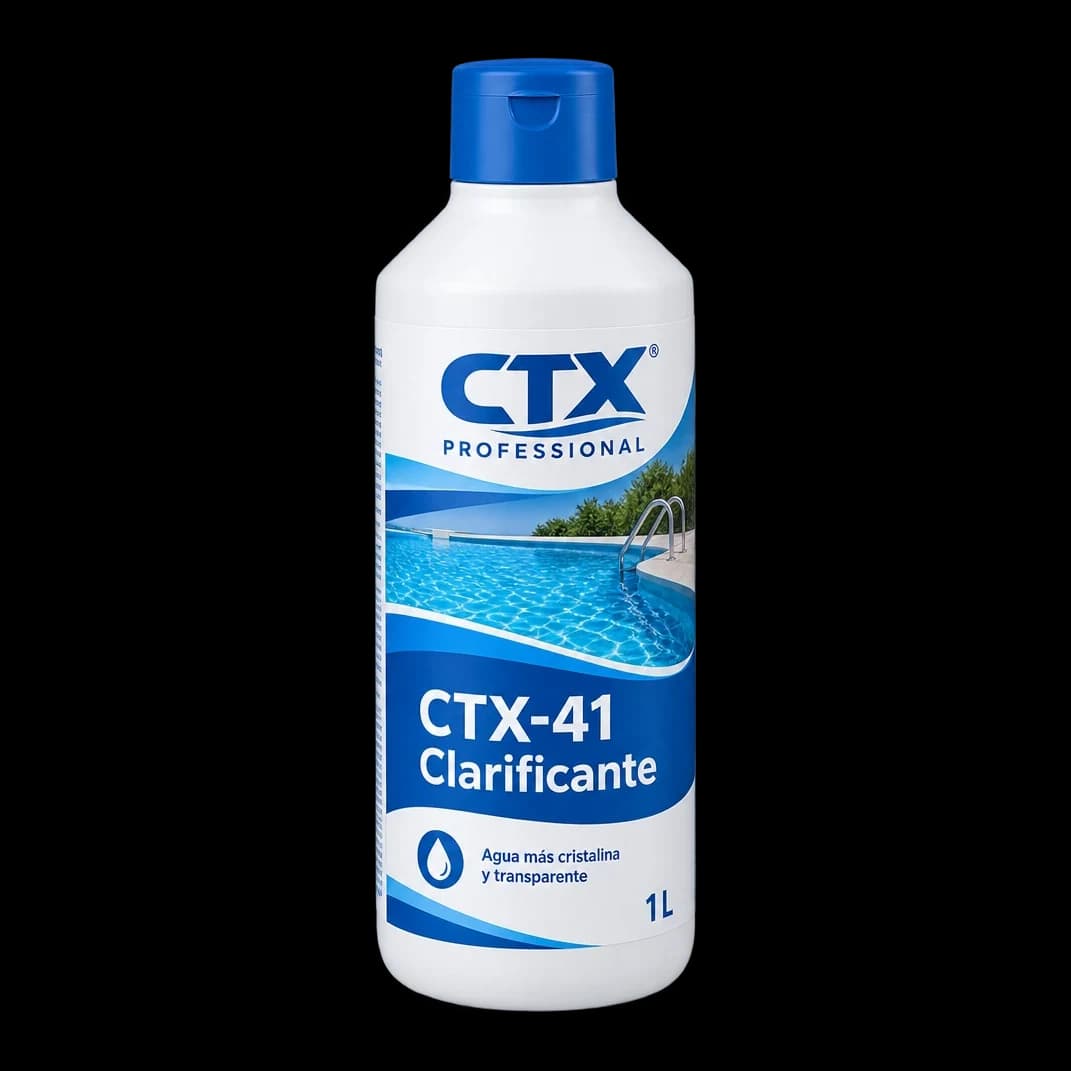
| CTX-41 Pool Water Clarifier2 models | 5 l | · |
| CTX pro AlgaStop & Flocculant Series4 models | 5 l | · |
| CTX pro Chlorine Shock Granule6 models | 1 kg | · |
Next step
Let us discuss your project in the way that suits you best.
You can fill in the form for a written quote, schedule a video project presentation or ask us to survey your project site.
Get a Quote
Send us your dimensions and expectations in writing.
Online presentation
Video project presentation
On-site survey
Inspection at your project site
Image gallery
Photos: 04
 01
01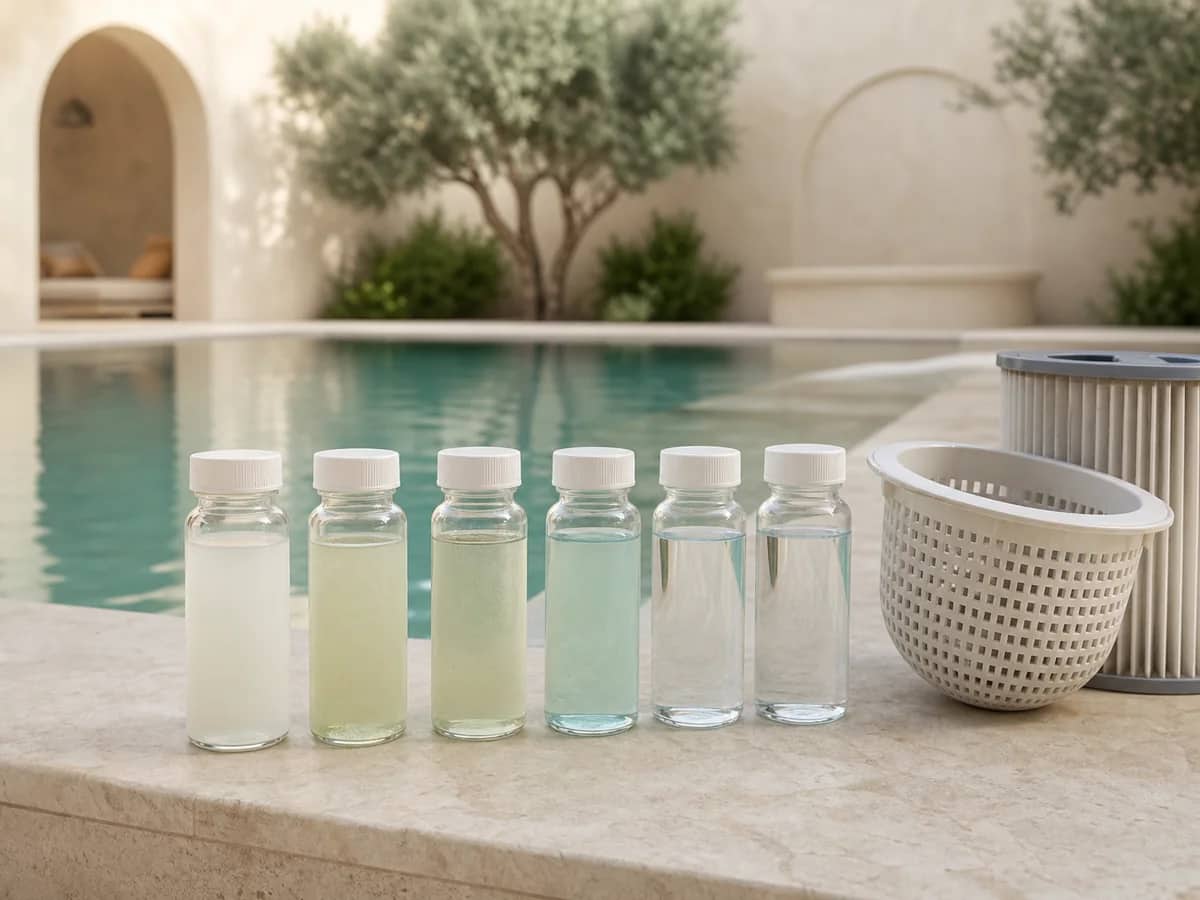 02
02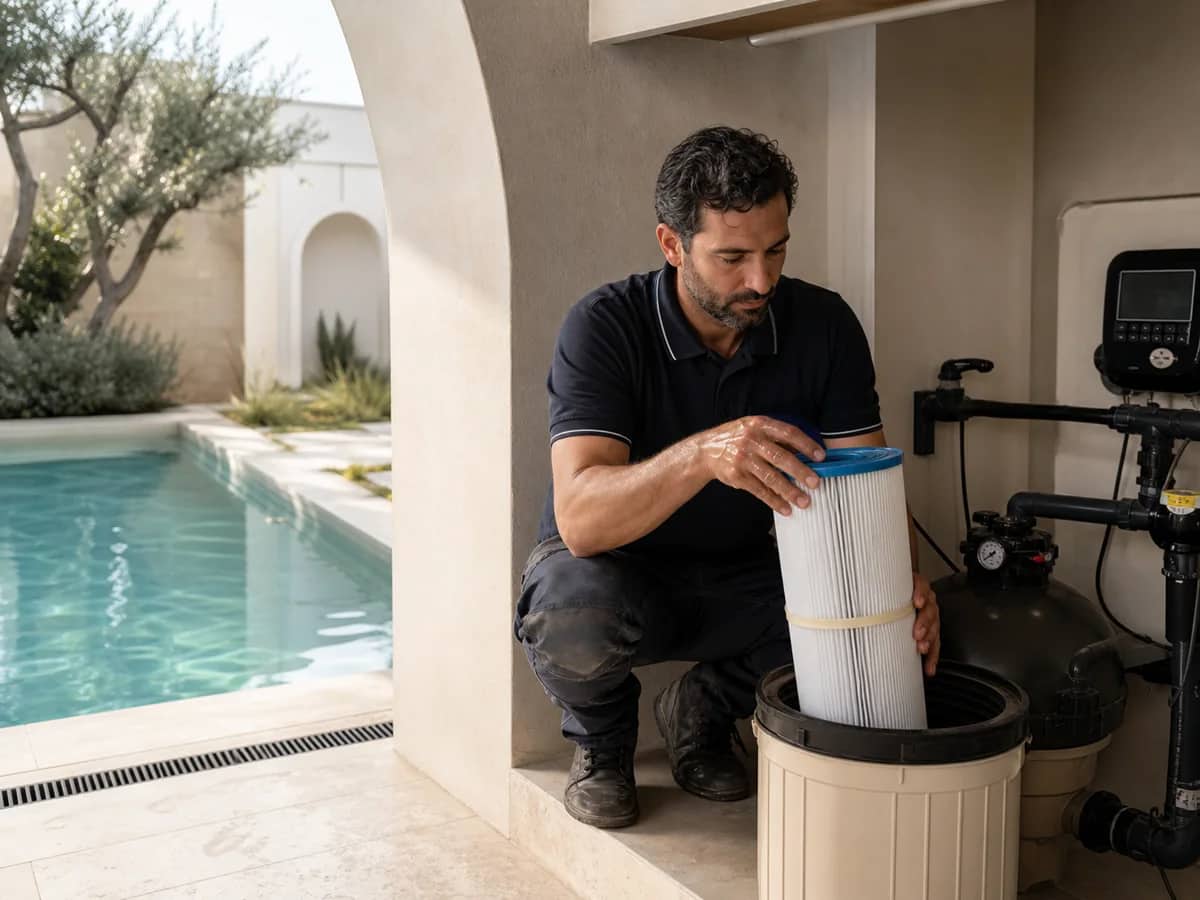 03
03 04
04// 01 · Products in this article
For the work described in this article, pool chemicals.
Each card leads to the product page with its data sheet, model list and quotation.
- 2 models
- 4 models
- 6 models
// 02 · Product groups
Compare the products on this topic on their category pages.
Each card leads to a product category; models, technical sheets and list prices are there.
 Product category
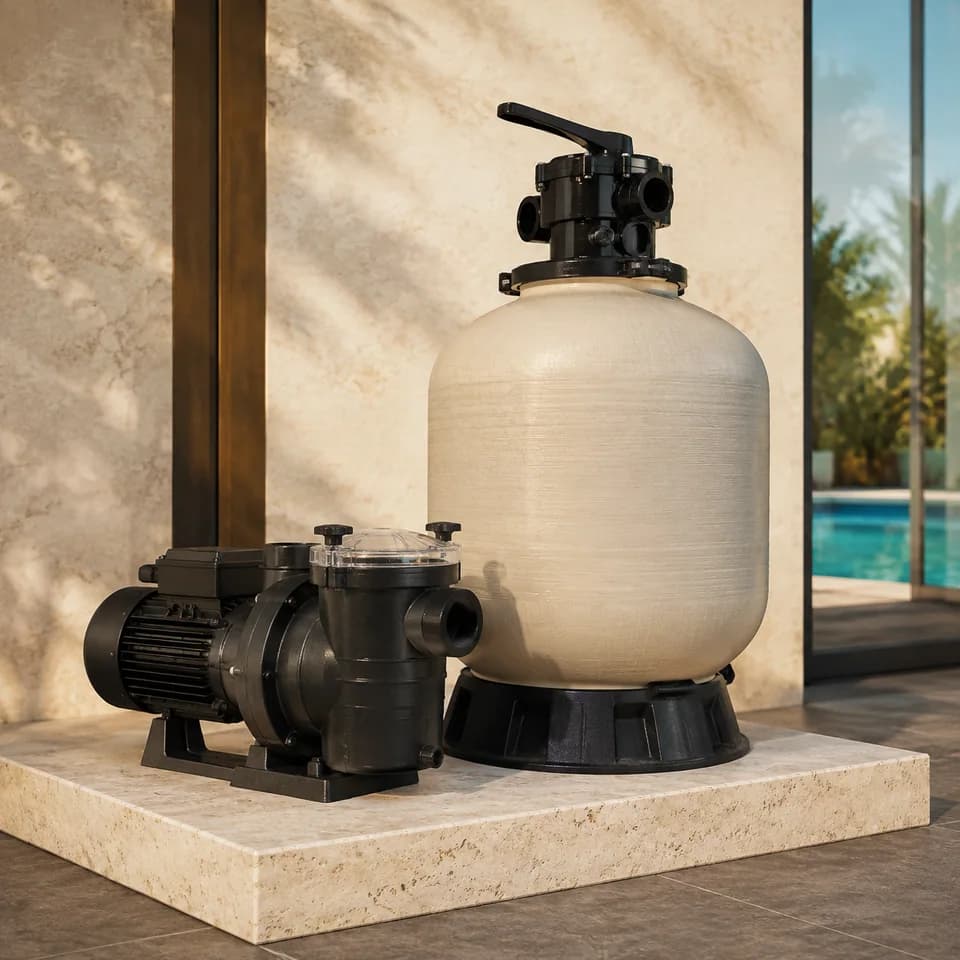
Pool Filter Models
Sand filters and cartridge filters for residential pools. A sand filter is cleaned by backwashing; a cartridge filter is taken out and rinsed, and it fits a small plant room. The filter is chosen together with the pump flow rate. Filters for commercial and public pools are on the mechanical equipment page.
View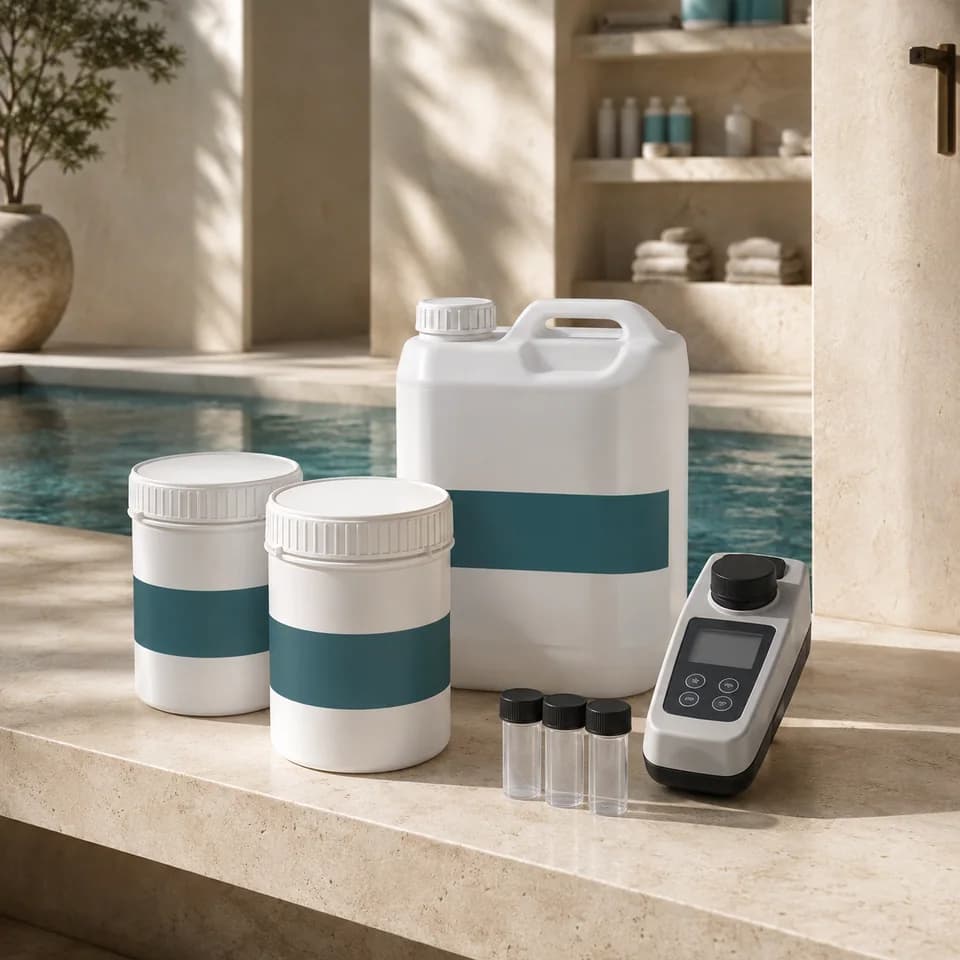 Product category
Pool Chemicals
From chlorine, pH regulators, algaecides and clarifiers to digital testers: full-range water chemistry products that keep your pool crystal clear.
View- 19 products
Product category
Pool Filter Models
Sand filters and cartridge filters for residential pools. A sand filter is cleaned by backwashing; a cartridge filter is taken out and rinsed, and it fits a small plant room. The filter is chosen together with the pump flow rate. Filters for commercial and public pools are on the mechanical equipment page.
Product category
Pool Chemicals
From chlorine, pH regulators, algaecides and clarifiers to digital testers: full-range water chemistry products that keep your pool crystal clear.
19 products
// 03 · Related service
The work in this article, we deliver from design to handover.
Çilek Havuz service
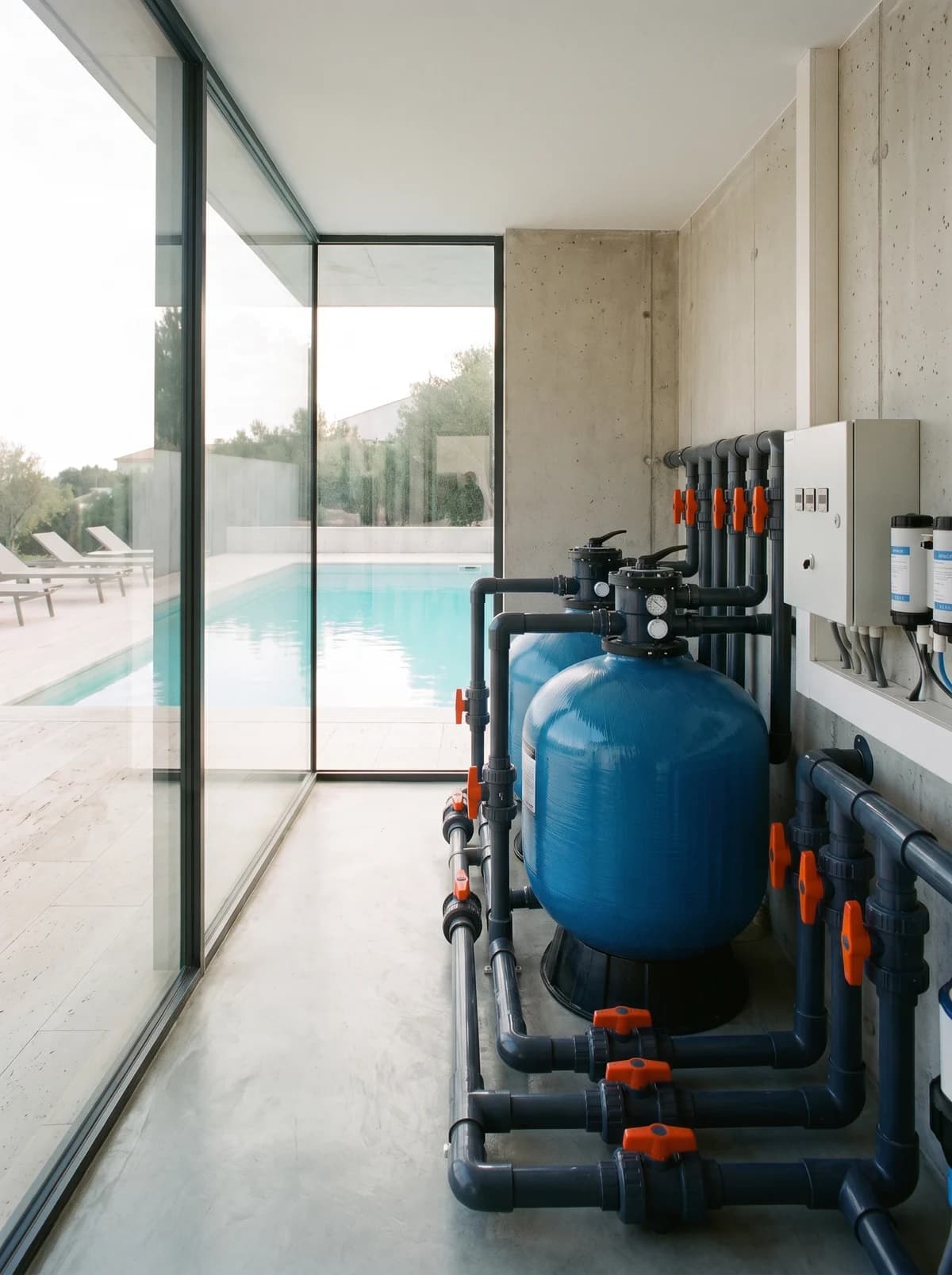
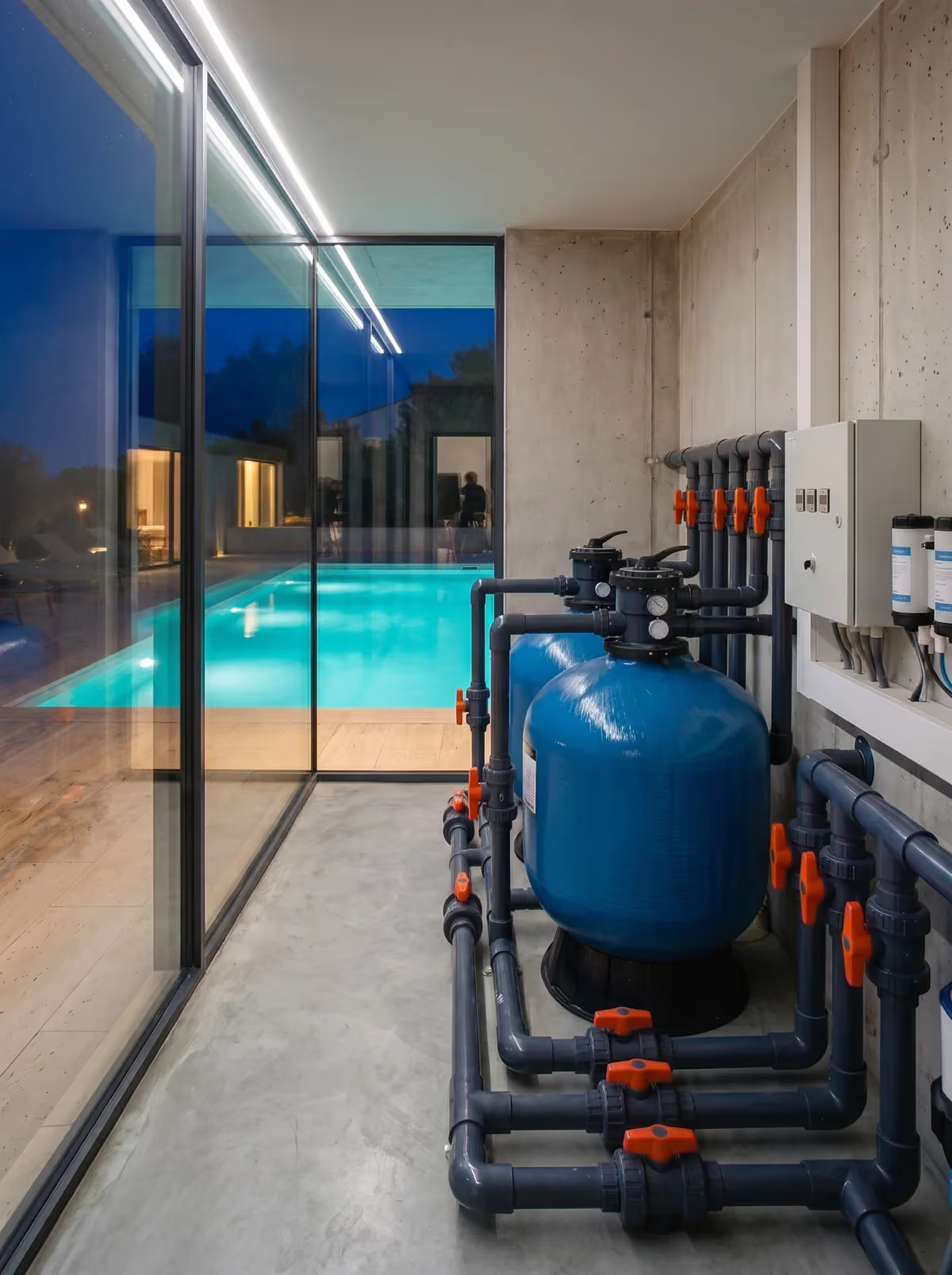
Pool Maintenance
Water chemistry, equipment and periodic maintenance.
How we work
- 01Initial meeting and site surveyWe inspect the site and listen to the brief.
- 02Design and quotationWe give the cost item by item, in writing.
- 03ExecutionThe same team builds to a written schedule.
- 04Handover and commissioningWe start the systems and explain their use.
- 05Maintenance and technical supportWe provide periodic maintenance and support.
// 04 · Guides
On Maintenance, more articles to read.
First the articles directly related to this one, then the newest articles on the topic.
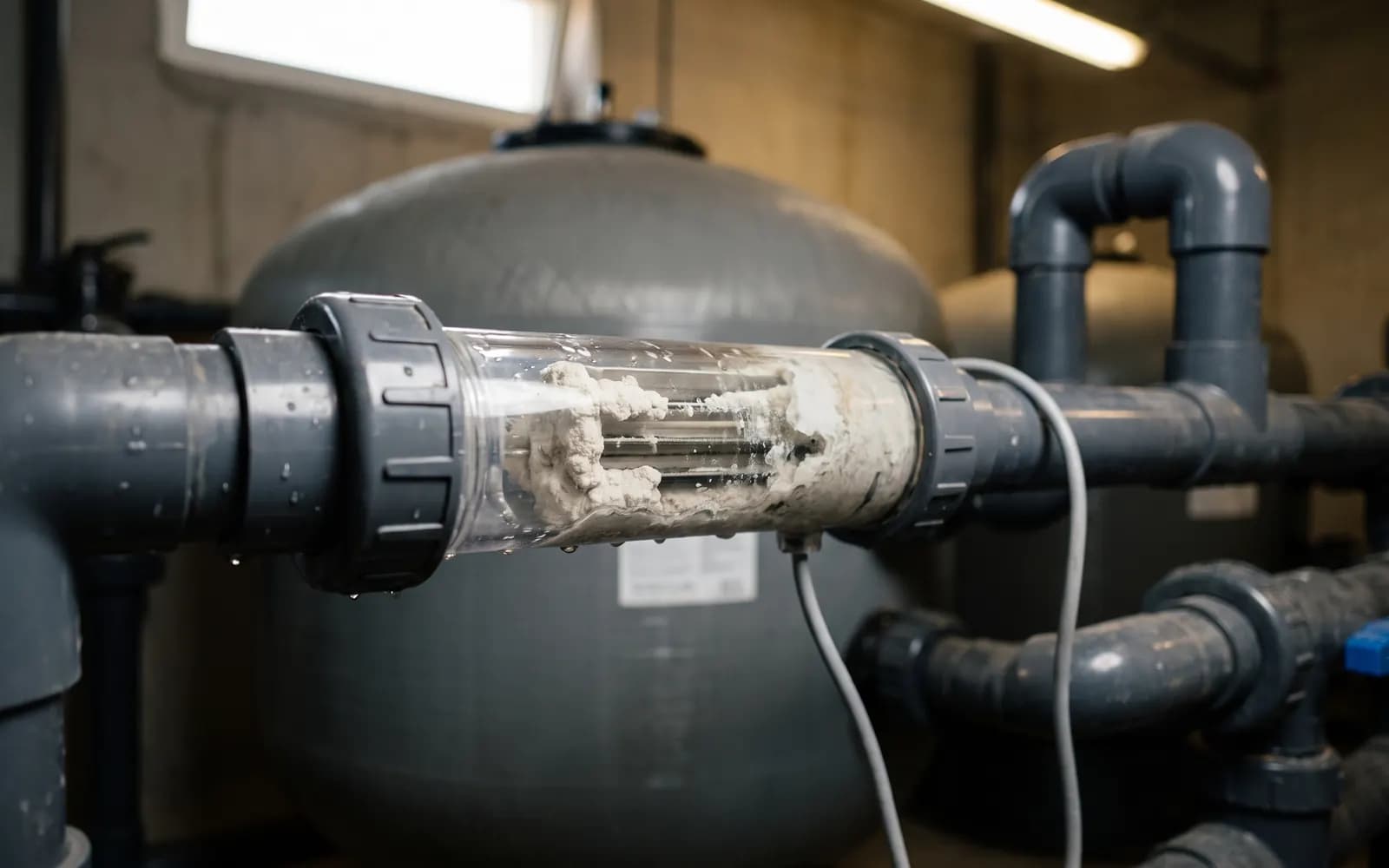 Technology
Salt Chlorinator Not Producing Chlorine: Causes and Checks
Possible causes of low chlorine with a running salt chlorinator: measurement, flow, salinity, temperature and cell condition. When service is needed.
View- 13 September 2026
- 3 min read
 Pool Construction
Thermal Pool Solutions: Systems Designed for Mineral Water
Hot, mineral-rich thermal water quickly wears out standard pool materials. We explain how material selection, filtration, corrosion and scale control, and heat management must be engineered for it.
View- 28 February 2026
- 5 min read
 Maintenance
Pool water regulation: pH, chlorine and analysis values
The pool water regulation sets physical, chemical and microbiological limits for swimming pool water in Turkey, including pH, chlorine and analysis frequency.
View- 9 September 2026
- 10 min read
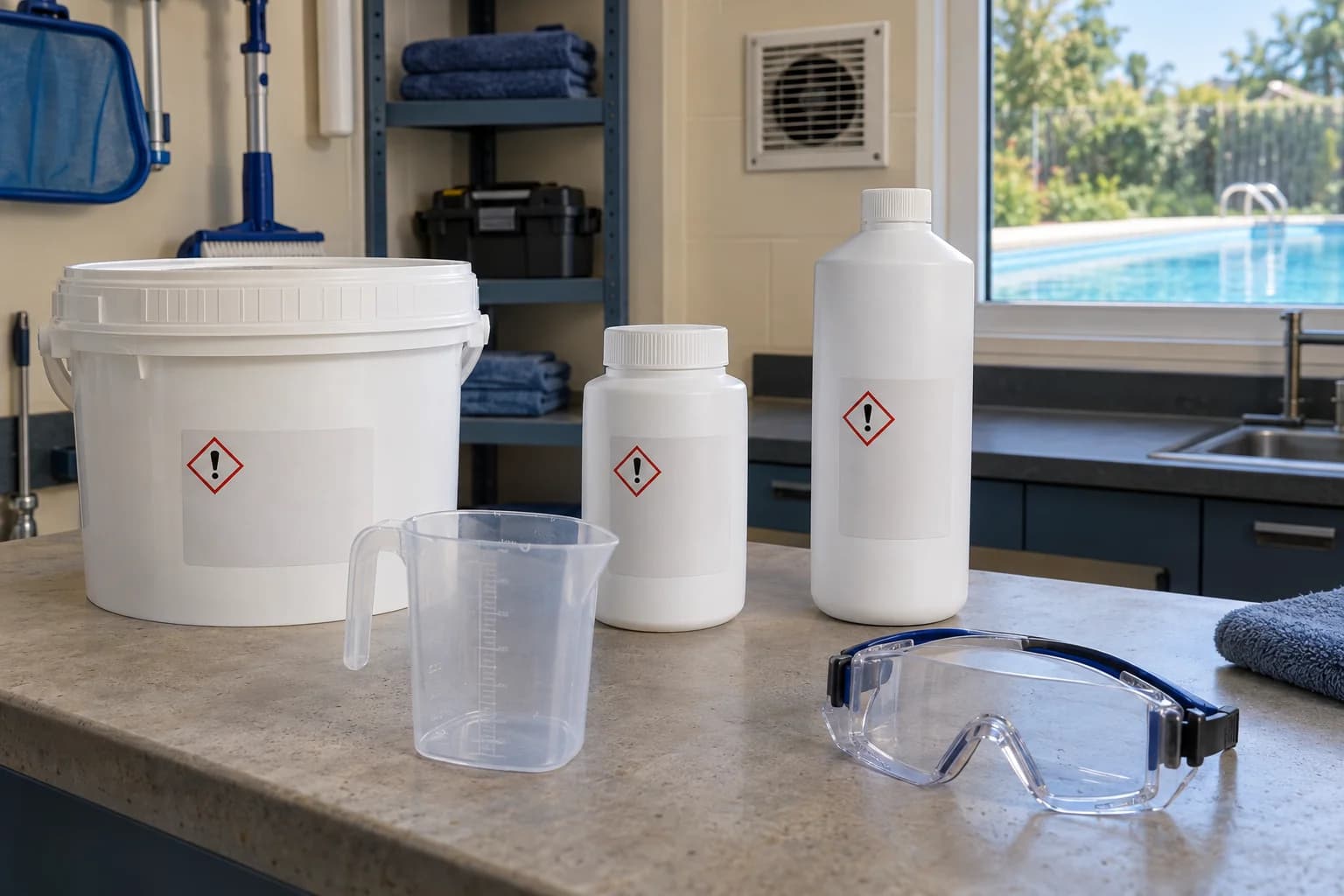 Maintenance
Pool clarifier and flocculant: differences, uses and selection
Clarification, flocculation and filter compatibility compared for cloudy pool water. The right choice follows the product instructions, not the name.
View- 13 September 2026
- 3 min read
 Maintenance
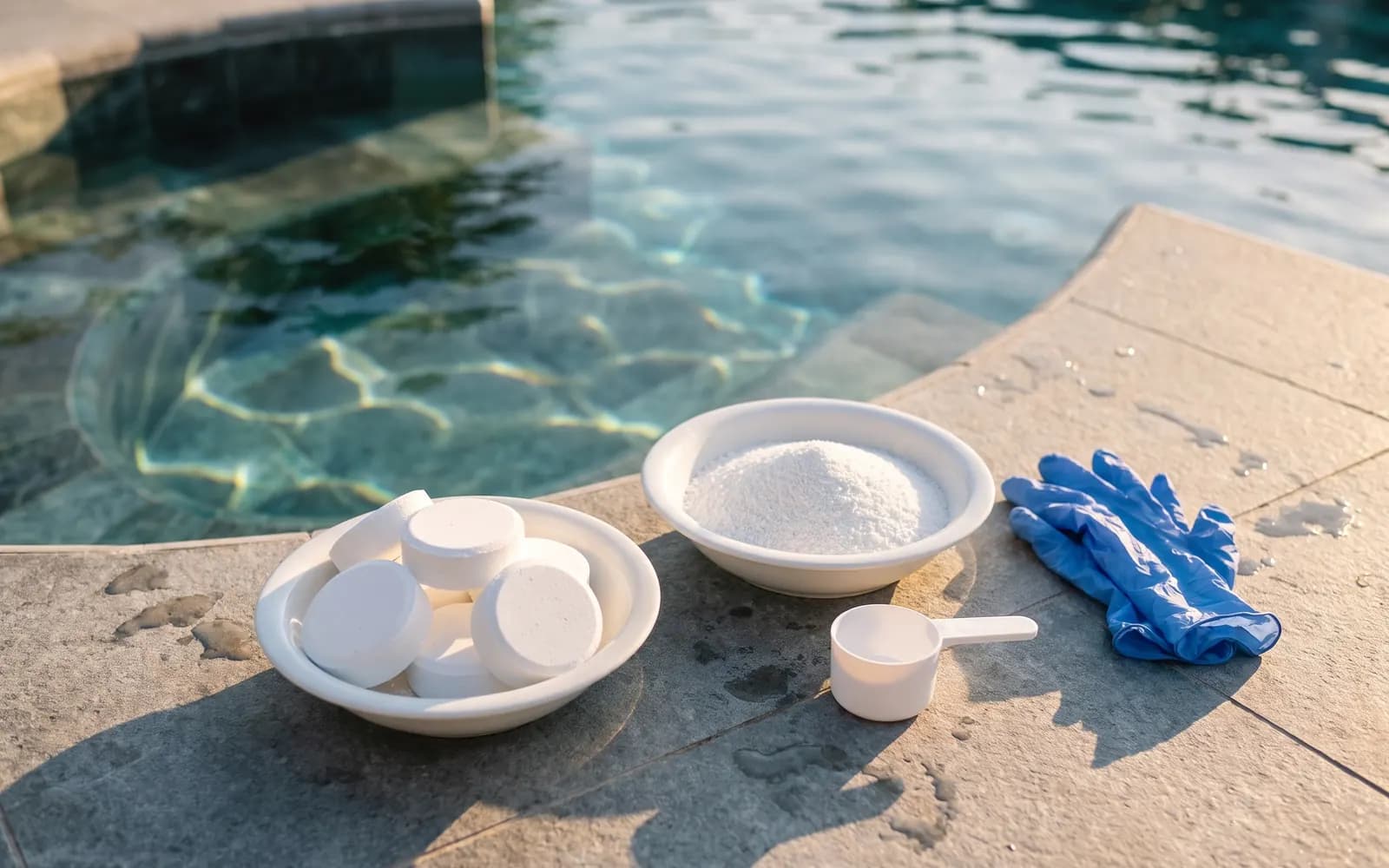
Chlorine tablets and granules: dissolution, use and selection
Chlorine products differ in active ingredient, concentration and intended use. Shape alone does not determine strength or dosing method.
View- 13 September 2026
- 3 min read
 Maintenance
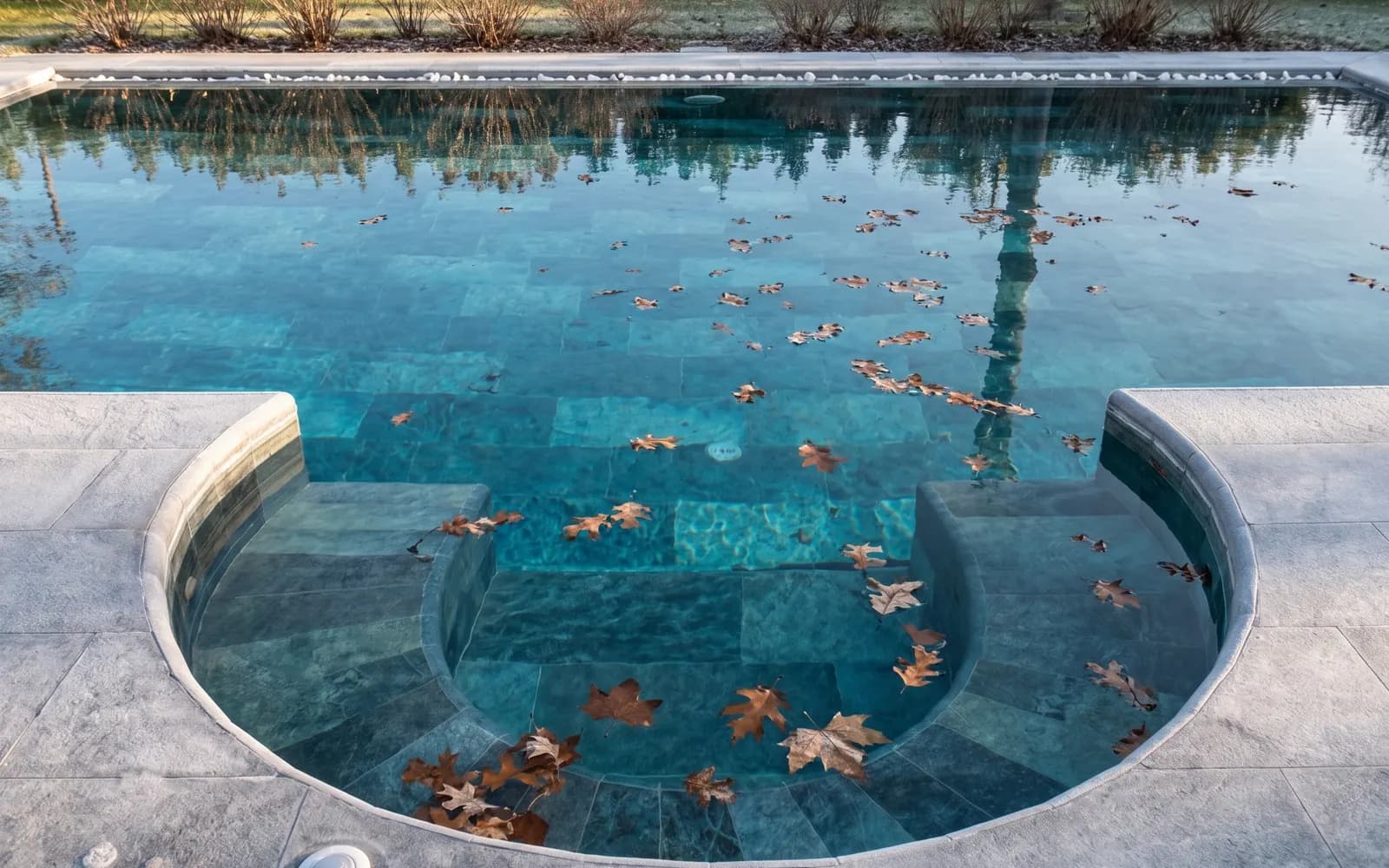
Winter pool chemicals: purpose, limits and product selection
Winter treatment depends on the actual pool system and product formulation. Water care, equipment freeze protection and ongoing checks are separate tasks.
View- 13 September 2026
- 3 min read
- Technology · 13 September 2026Salt Chlorinator Not Producing Chlorine: Causes and ChecksPossible causes of low chlorine with a running salt chlorinator: measurement, flow, salinity, temperature and cell condition. When service is needed.3 min read
- Pool Construction · 28 February 2026Thermal Pool Solutions: Systems Designed for Mineral WaterHot, mineral-rich thermal water quickly wears out standard pool materials. We explain how material selection, filtration, corrosion and scale control, and heat management must be engineered for it.5 min read
- Maintenance · 9 September 2026Pool water regulation: pH, chlorine and analysis valuesThe pool water regulation sets physical, chemical and microbiological limits for swimming pool water in Turkey, including pH, chlorine and analysis frequency.10 min read
- Maintenance · 13 September 2026Pool clarifier and flocculant: differences, uses and selectionClarification, flocculation and filter compatibility compared for cloudy pool water. The right choice follows the product instructions, not the name.3 min read
- Maintenance · 13 September 2026Chlorine tablets and granules: dissolution, use and selectionChlorine products differ in active ingredient, concentration and intended use. Shape alone does not determine strength or dosing method.3 min read
- Maintenance · 13 September 2026Winter pool chemicals: purpose, limits and product selectionWinter treatment depends on the actual pool system and product formulation. Water care, equipment freeze protection and ongoing checks are separate tasks.3 min read
// 05 · Company & Contact
To talk about your project, call or write to us.
Legal Name
Çilek Havuz
Founded
1998 · Istanbul
Head Office
Çilek Plaza, Eyüp Sultan Mah. Yakacık Cd. Feshane Cd. No: 2 D:4 D:1, 34885 Sancaktepe / İstanbul
Service Area
All of Türkiye · exports to 14 countries
Branches
Kyrgyzstan · Egypt · Algeria · Iraq
Showroom
Plan a showroom visit
At our showroom in Çilek Plaza, Sancaktepe, you can discuss your project with our team. We recommend booking an appointment by phone before your visit.
Working Hours
- Monday – Friday · 08:00 – 17:30
- Saturday · 08:00 – 12:30
- Closed on Sunday
Frequently Asked Questions
About Cloudy Pool Water, frequently asked questions.
Çilek Havuz Corporate
Pool and Wellness Engineering
- Response Time
- Same day
- Channels
- Phone · Email · WhatsApp
If the answer you are looking for is not here, send your question directly to us and our team will reply as soon as possible.
+90 216 475 39 37High calcium hardness precipitates microscopic carbonate crystals in high-pH water. Balance pH to 7.2-7.4, dose calcium sequestrant, and partially dilute with fresh soft water if hardness exceeds 400 ppm. Run filtration continuously.
Çilek Havuz Corporate
Grey haziness post-shock is suspended dead algae cells. Dose a pool clarifier or liquid flocculant to aggregate dead cells, then vacuum settled debris directly to WASTE.
Çilek Havuz Corporate
Well water often contains dissolved iron and manganese that oxidize and turn brown upon chlorine addition. Dose a metal sequestrant before adding chlorine, and filter continuously through fine cartridge or glass media.
Çilek Havuz Corporate
Using heavy flocculant in mild haze creates unnecessary heavy sediment that must be vacuumed to waste, wasting water. Using mild clarifier in severe turbidity takes too long. Match chemical strength to turbidity severity.
Çilek Havuz Corporate
Recurring cloudiness indicates unresolved mechanical or chemical root causes. Typical causes are calcified filter sand, inadequate pump runtime, or excessive cyanuric acid. Address filtration efficiency to achieve permanent clarity.
Çilek Havuz Corporate
Flocculant binds particulate into sticky, gelatinous sediment that quickly blinds filter sand or cartridges. On sand filters, vacuuming directly to WASTE discharges the sludge safely without fouling filter media.
Çilek Havuz Corporate
Pool clarifier (brightener) binds together the micro-particles the filter cannot catch. A dose often seen for liquid products is 100 to 150 ml per 10 m³ of water, applied once a week, but the product label takes precedence; during cloudy periods, two doses can be given 48 hours apart. Overuse causes foam and sticky residue and raises filter pressure. It must not be confused with flocculant: a flocculant settles particles to the bottom for vacuuming to waste, while a clarifier is passed through the filter.
Çilek Havuz Corporate
How fast cloudy pool water clears depends on the cause, filter type, equipment condition and the product applied. Light haze can fade quickly with regular filtration, while algae or metal problems take longer. Rather than quoting a fixed number of hours, we assess progress with water tests and filtration results.
Çilek Havuz Corporate