

03Water Chemistry
Pool Chemicals
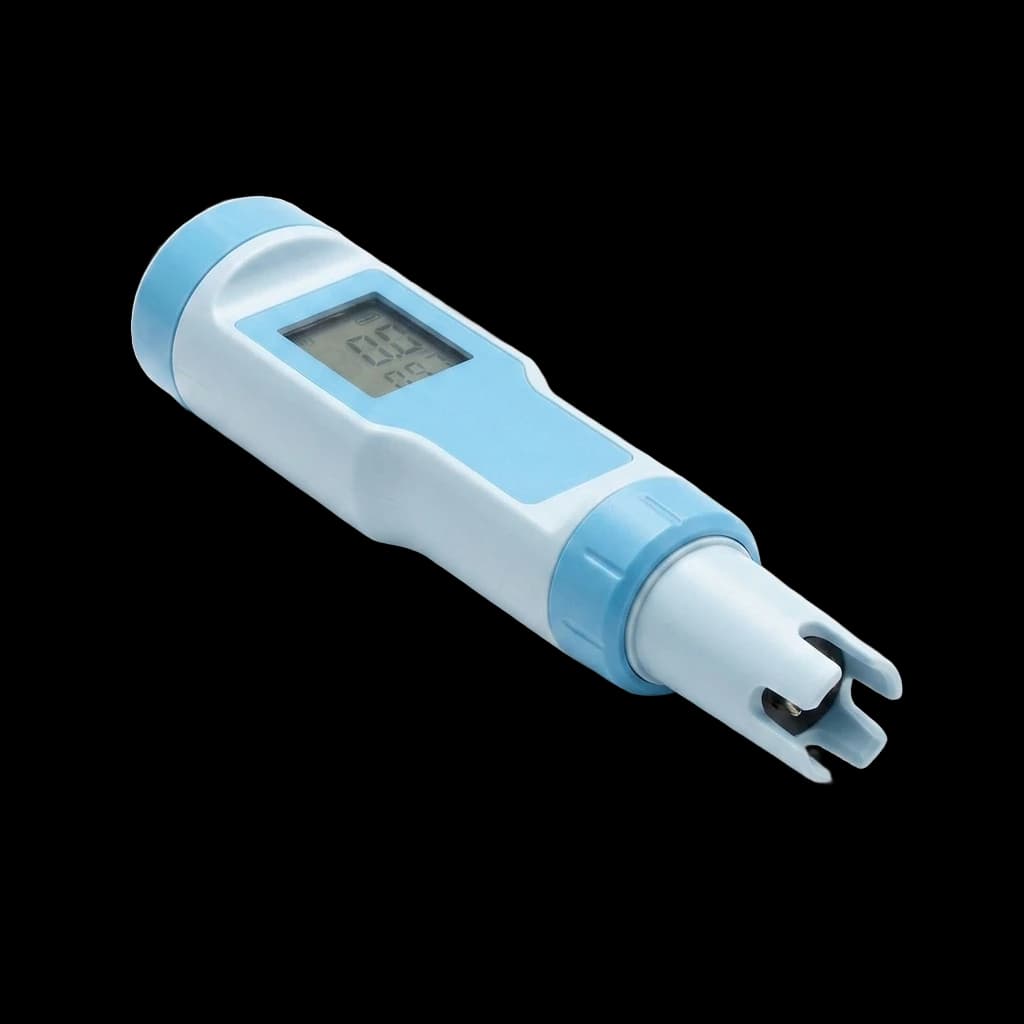
From chlorine, pH regulators, algaecides and clarifiers to digital testers — full-range water chemistry products that keep your pool crystal clear.

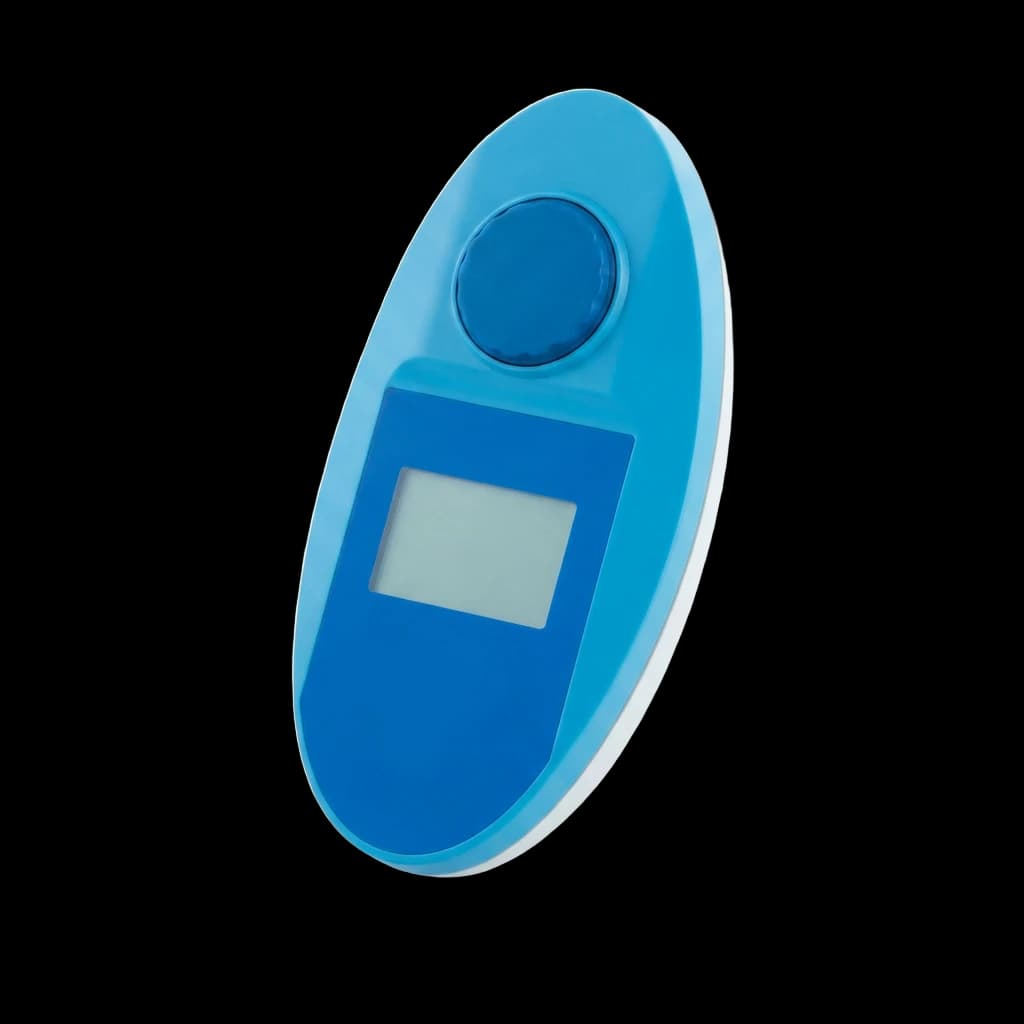
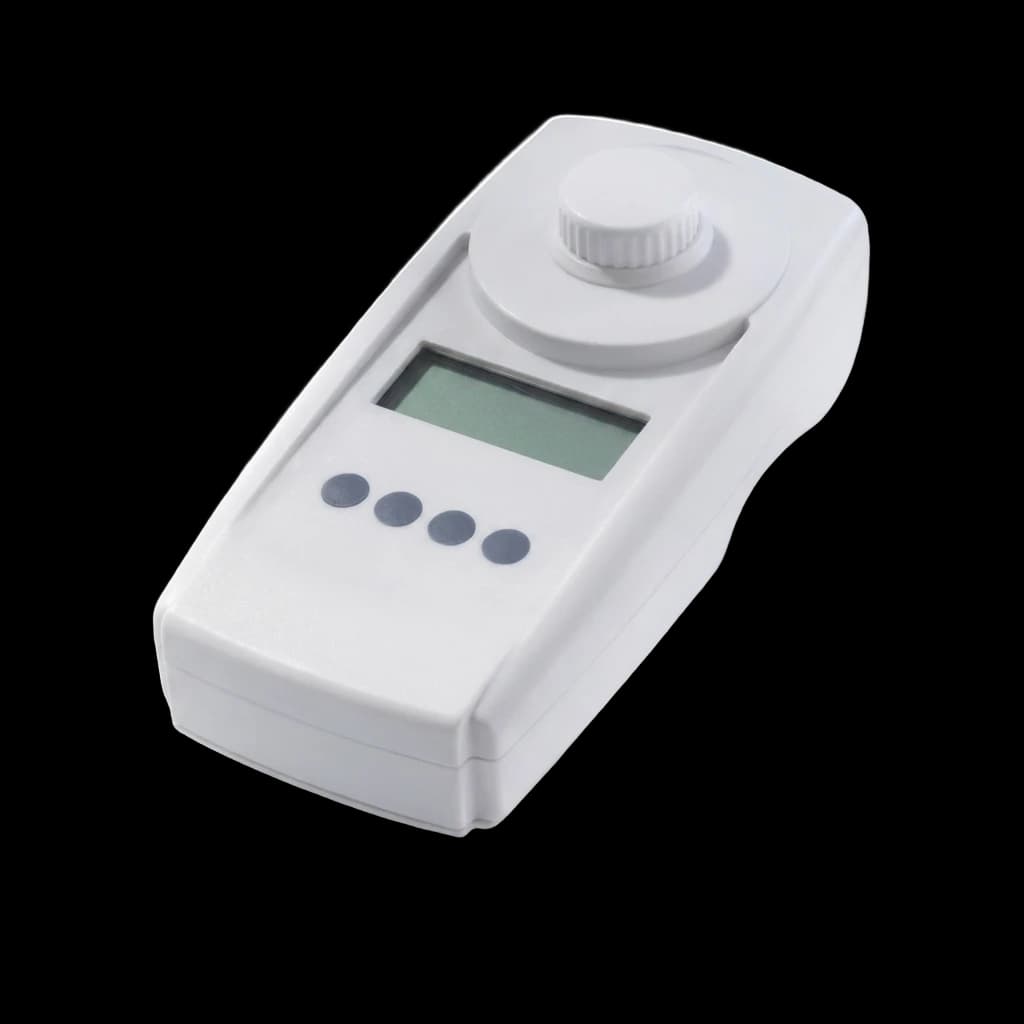


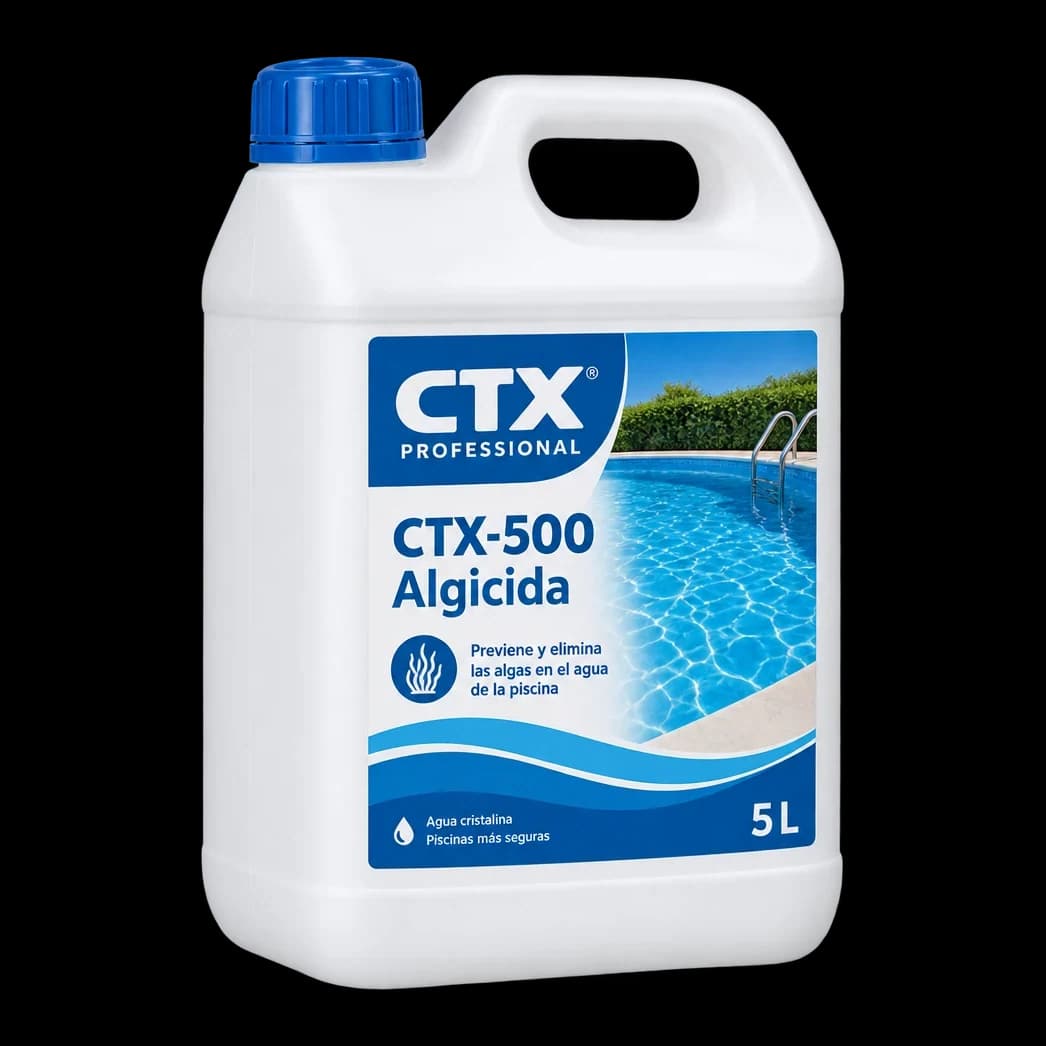
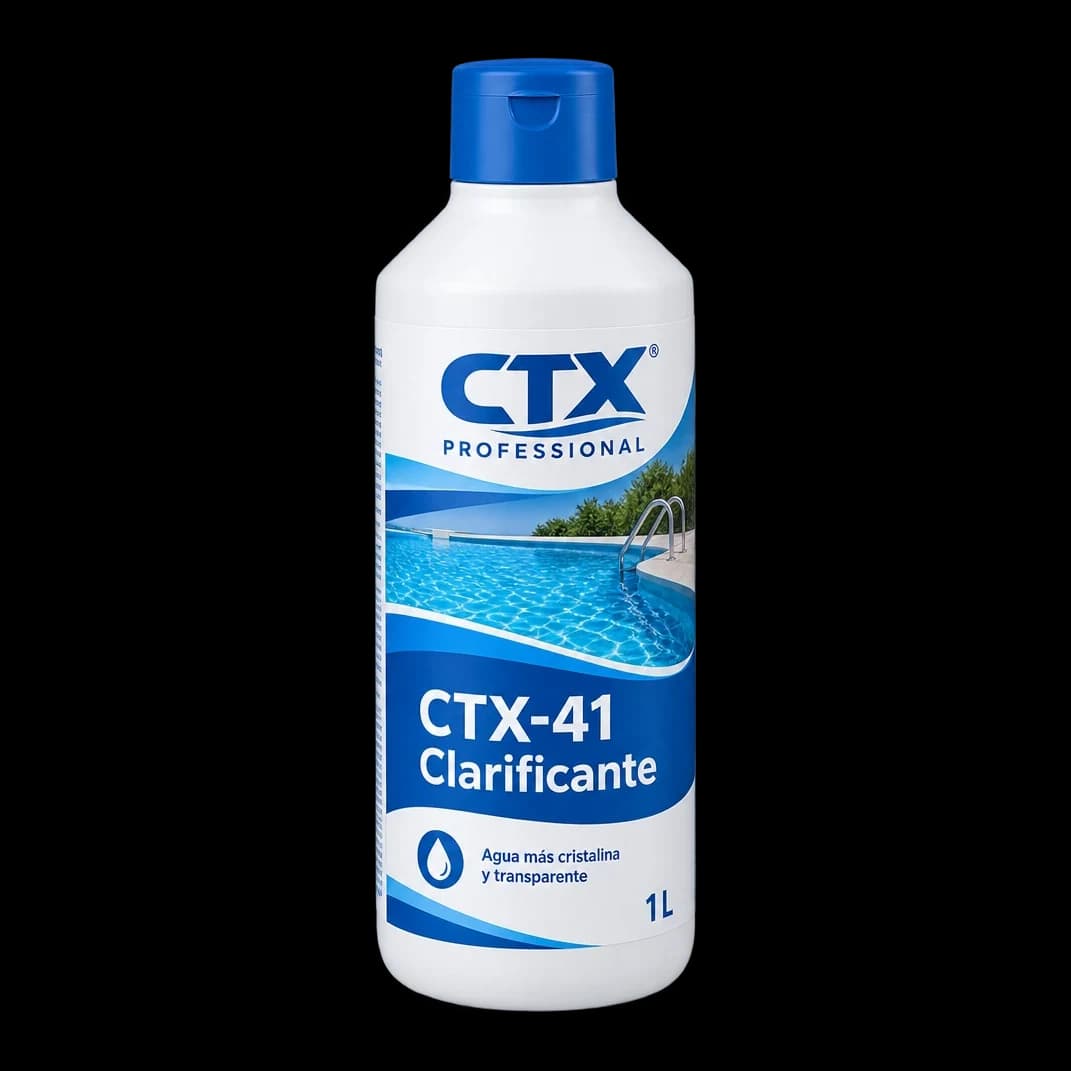
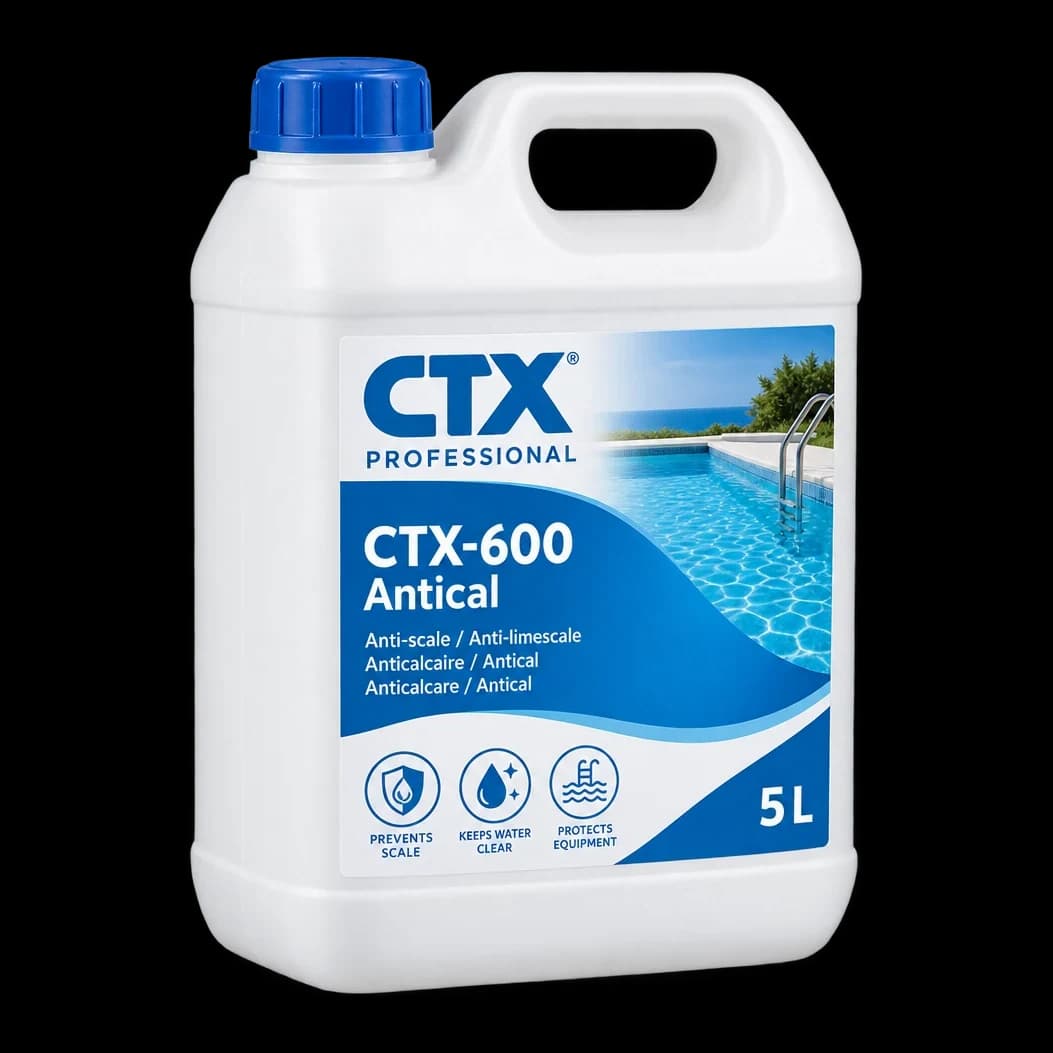

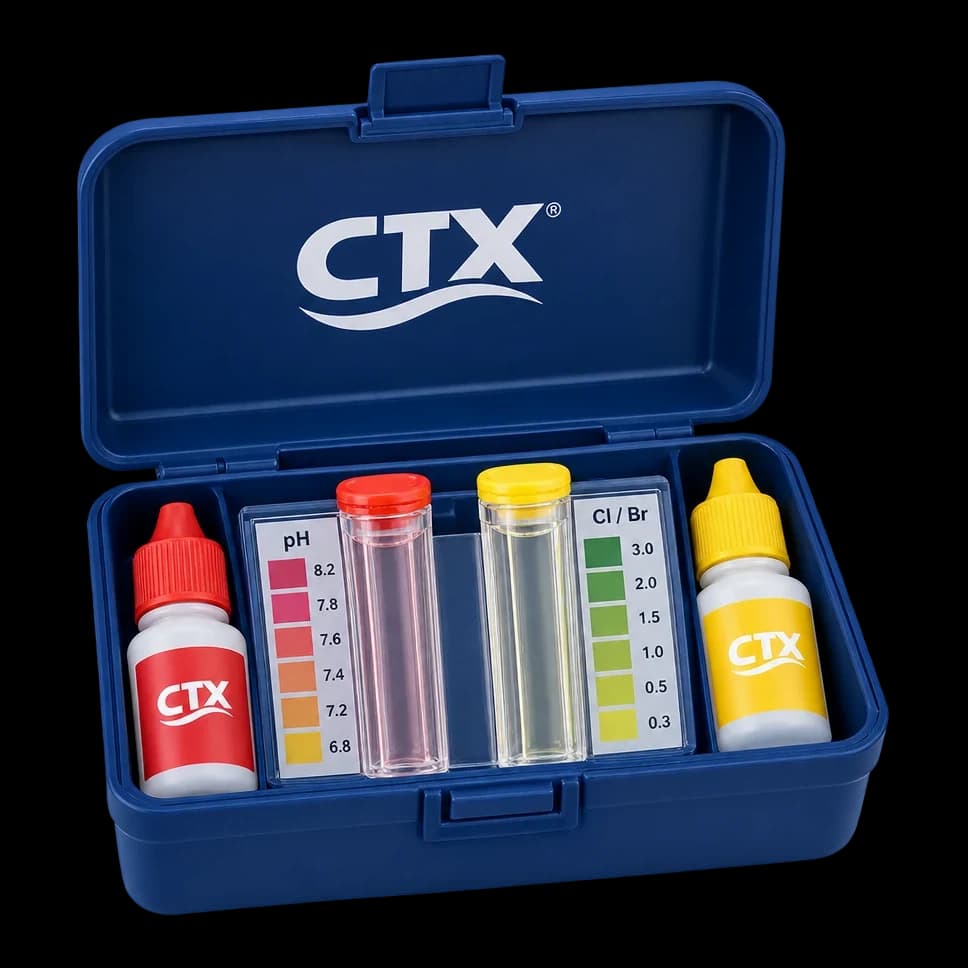
How to choose: Pool Chemicals
Pool water chemistry is a balance of three variables: disinfection, pH and alkalinity. Get these right and the water stays clear, skin and eyes are not irritated, and equipment does not corrode. Product selection follows pool volume, bather load and the disinfection method in use.
- Disinfection method
- Chlorine, salt electrolysis or alternative systems need different dosing and support products.
- pH control
- Outside the 7.2–7.6 range chlorine loses effectiveness and chemical is simply wasted.
- Water hardness
- Hard water needs scale inhibitor; soft water needs hardness increaser.
- Automation
- Automatic dosing removes manual measurement error and reduces consumption.
Pool Chemicals: Chlorine, pH & Algaecide
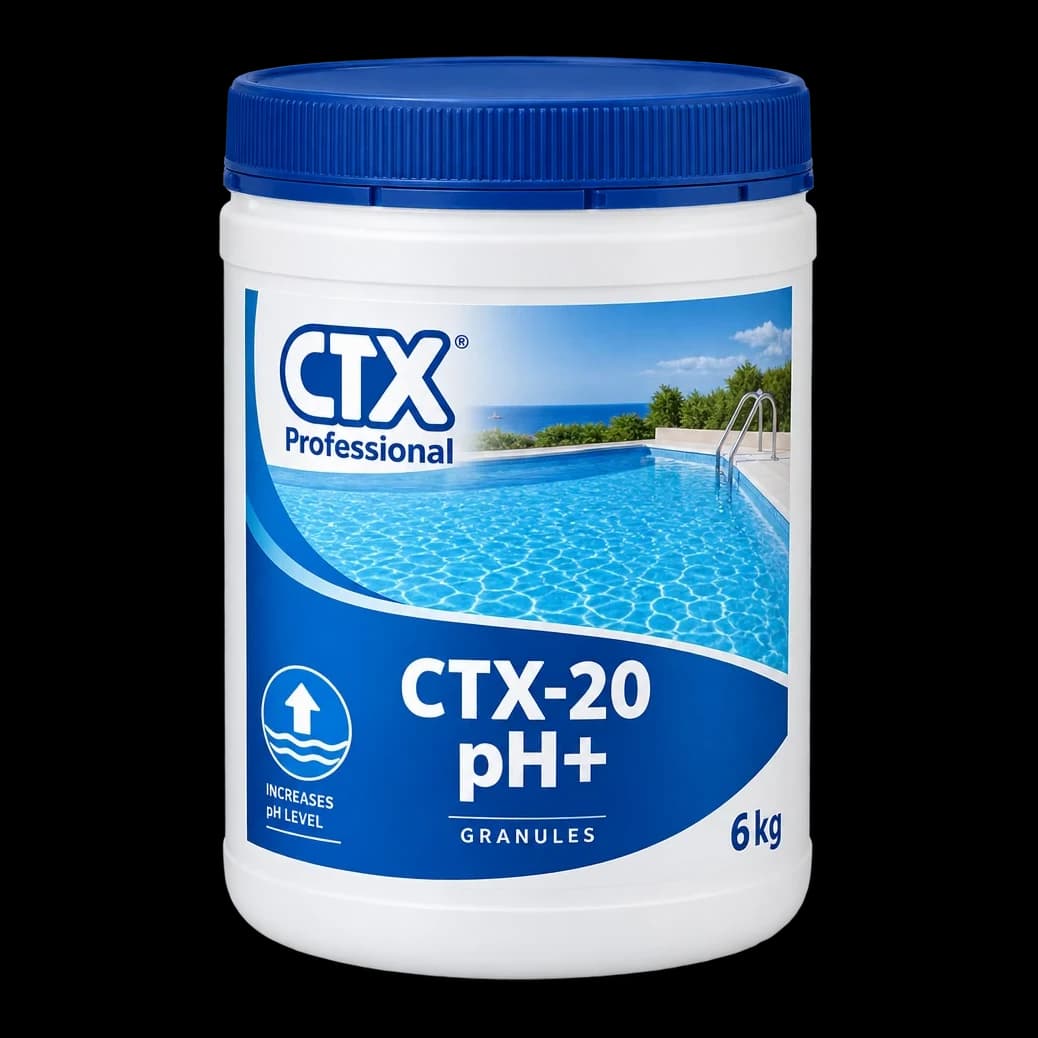
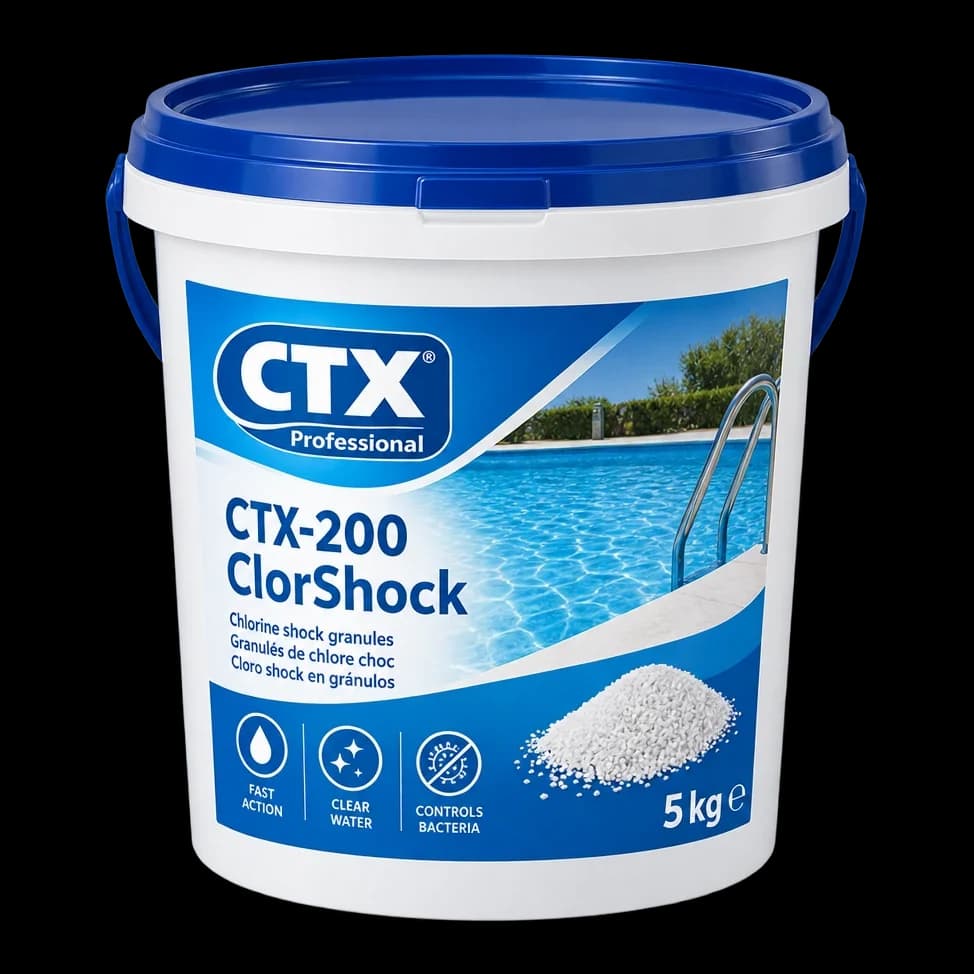
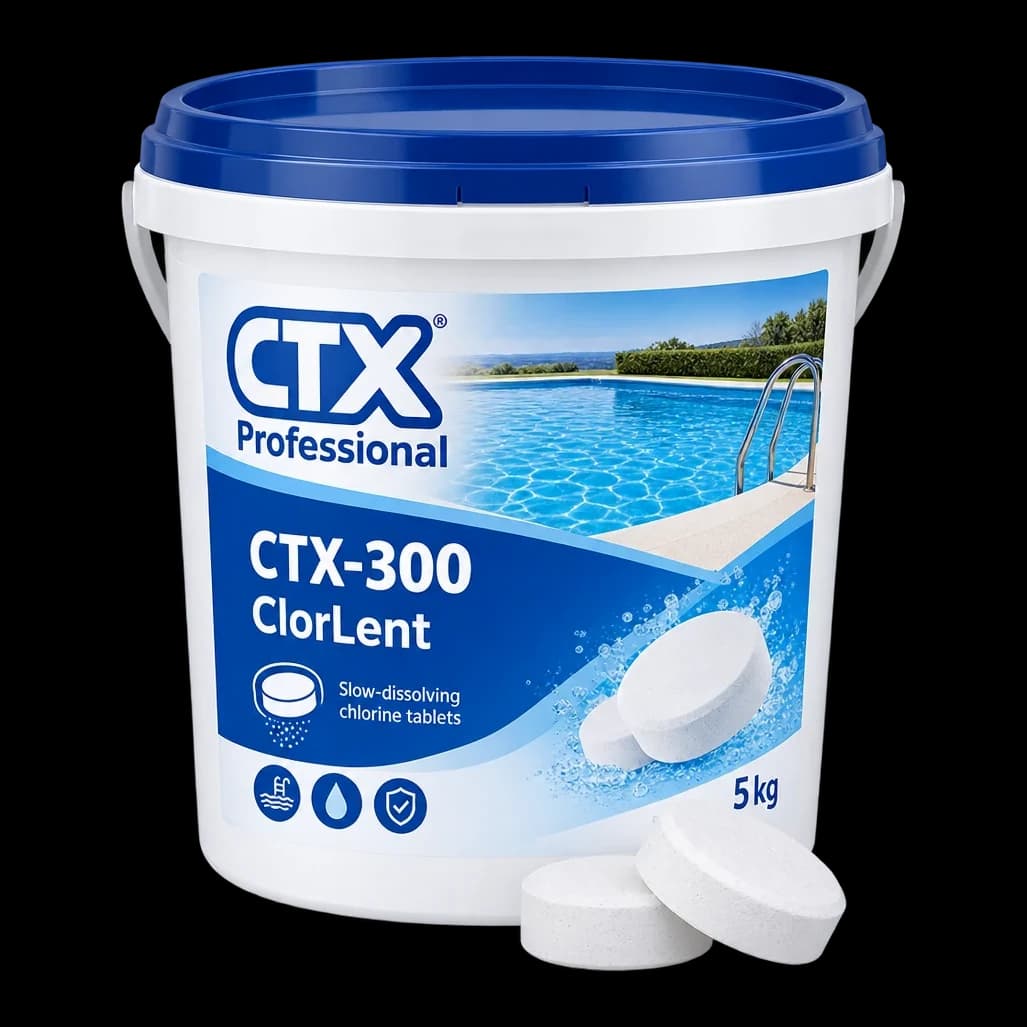
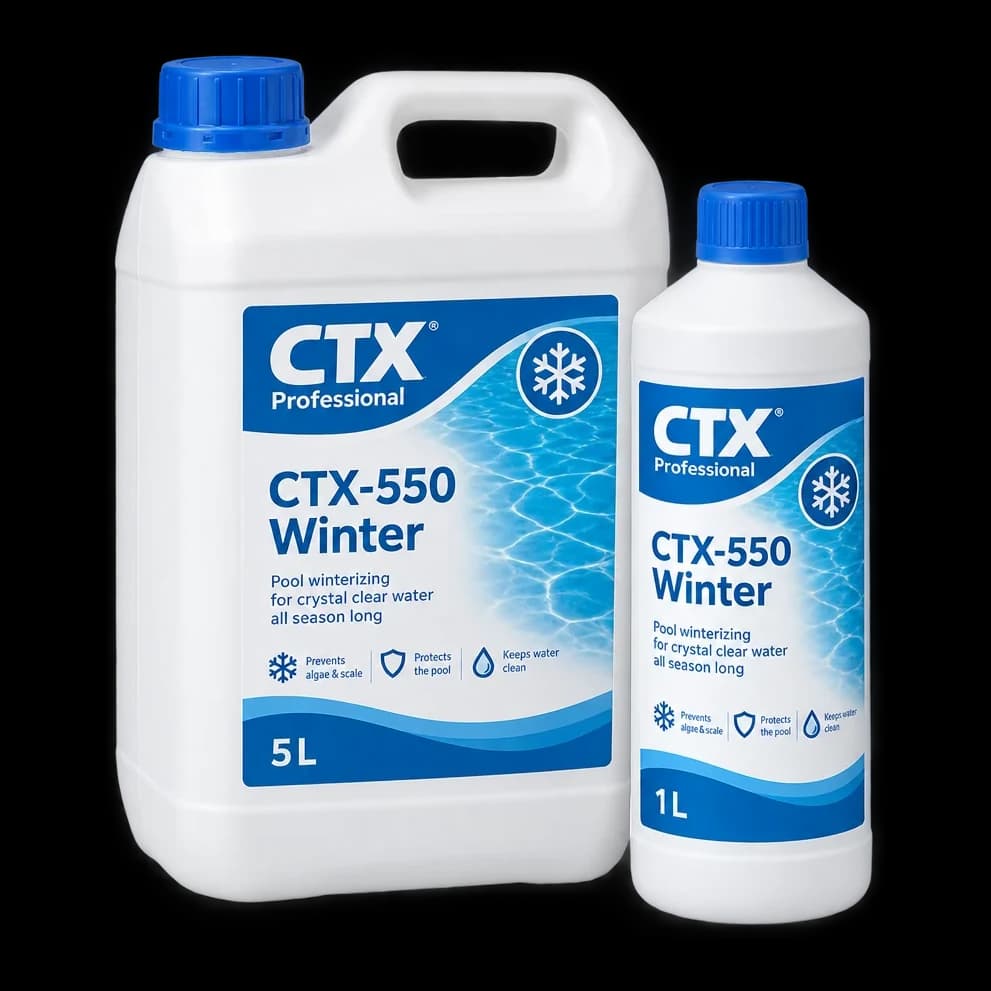
Pool chemicals perform four functions: disinfection (chlorine, bromine, active oxygen), balance (pH decreaser and increaser, alkalinity, calcium hardness), clarification (clarifier, flocculant), and prevention (algaecide, winterizing chemical, scale inhibitor). This category includes powder, tablet and liquid forms for each group, along with test kits.
The correct dose is measured against pool volume; every product's label gives a value per 10 m³. Chlorine and pH adjuster should not be applied at the same time, but at least 4 hours apart. Chemical selection varies with salt chlorine generator, heating and cladding type; our dosage table and water balance guide are covered in detail on the blog.
Frequently asked questions
Which chlorine should be used for a pool?
Liquid chlorine (sodium hypochlorite) acts quickly and is suited to weekly shock treatment; tablet chlorine (TCCA) dissolves slowly and provides continuous disinfection in a dosing feeder; powder chlorine (calcium hypochlorite) raises calcium hardness, which suits hard-water areas.
When should a pH decreaser be used?
When pH rises above 7.8; the target range is 7.2 to 7.6. For 10 m³ of water, 100 g of powder or 100 ml of liquid pH decreaser lowers pH by about 0.1 unit.
How often should algaecide be applied?
Once a week at a maintenance dose; if the water has turned green, two consecutive days combined with shock chlorination. Copper-based products can stain light-colored surfaces.
How should pool chemicals be stored?
In a cool, dry, closed cabinet out of children's reach; chlorine and acid (pH decreaser) must never be stored on the same shelf or in the same container.